Baku and Astana Join Forces to Advance Intercultural and Interfaith Dialogue
At the VII World Forum on Intercultural Dialogue, Kazakhstan Presents New Initiatives by the Congress of the Leaders of World and Traditional Religions on Artificial Intelligence and Climate Change
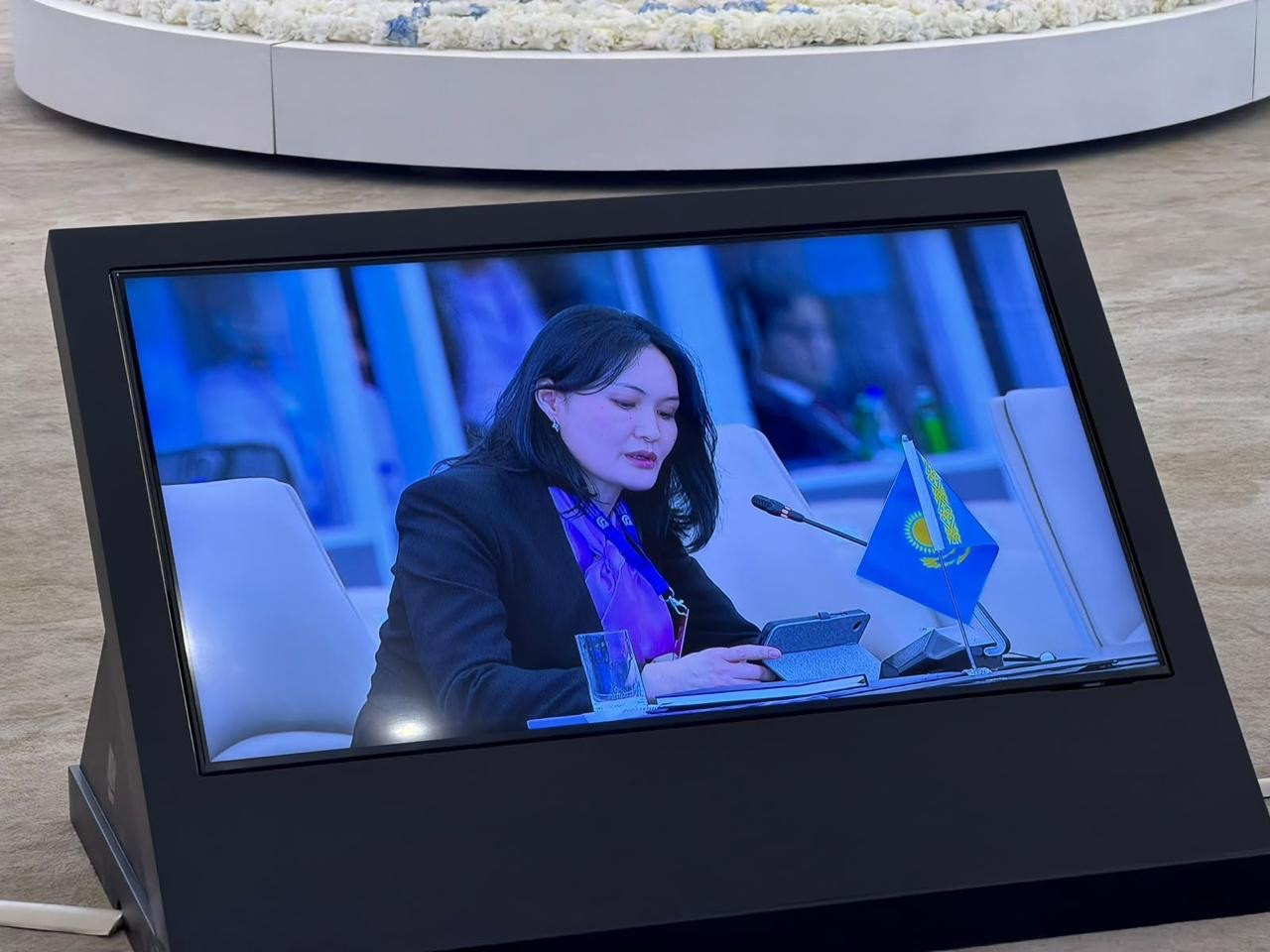
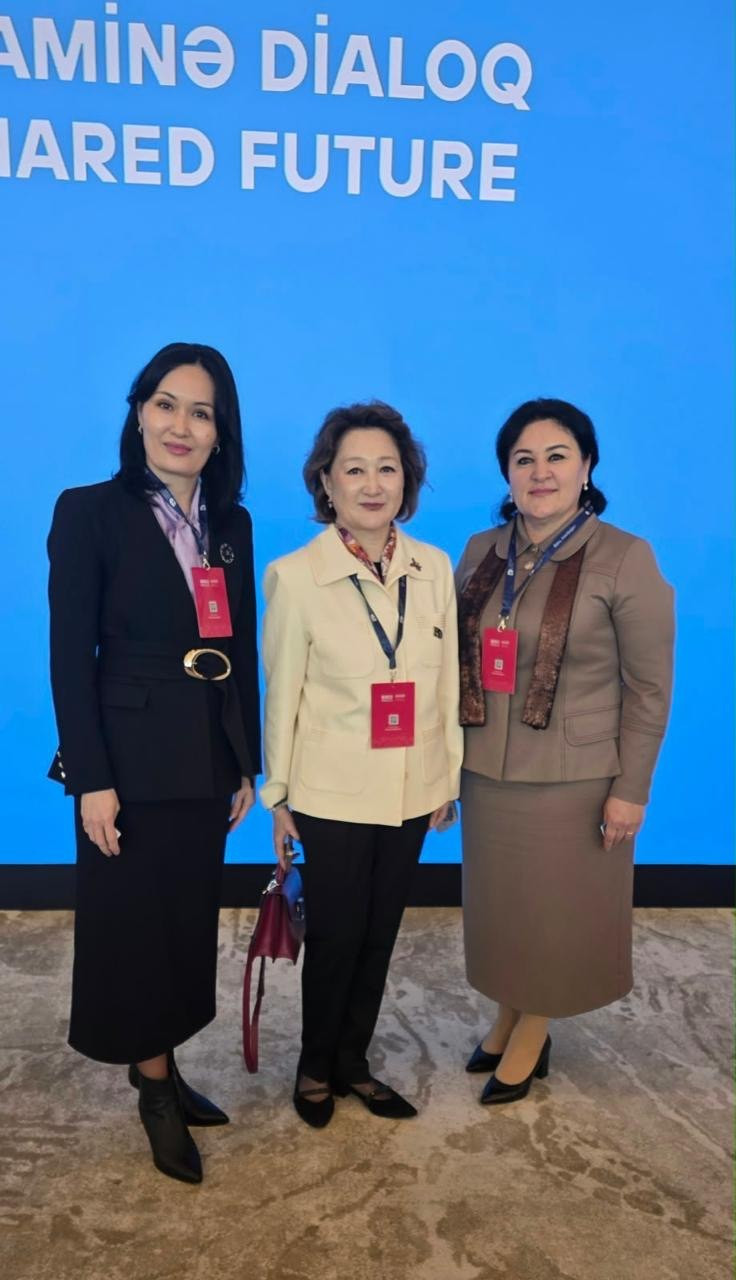
BAKU - ASTANA, 27 October 2026. The complementarity between the Baku Process and the Congress of the Leaders of World and Traditional Religions in Astana was one of the key points highlighted by Gulsana Kozhabay, Chair of the Board of the International Center for Interfaith and Interreligious Dialogue, in her address at the VII World Forum on Intercultural Dialogue.
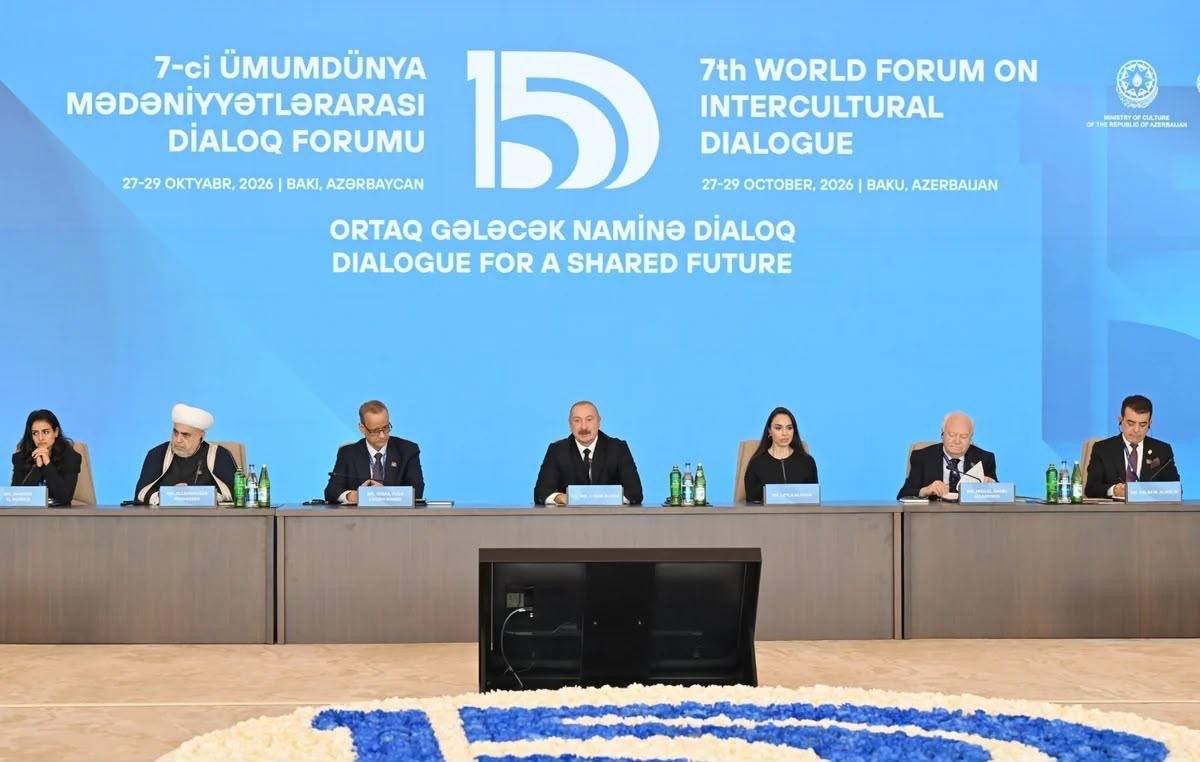
The international forum is being held in Baku under the theme “Dialogue for a Shared Future: Bridging Divides in a Fragmented World”
The opening ceremony was attended by President of Azerbaijan Ilham Aliyev, who placed particular emphasis on the peace process between Azerbaijan and Armenia. The agreements reached marked a significant breakthrough amid ongoing wars and conflicts in various regions of the world, demonstrating that even decades of confrontation can give way to political dialogue and the pursuit of peace.
Over the years, the Baku Process has evolved into a major international platform addressing a broad range of issues, from politics and intercultural dialogue to youth initiatives, business and artificial intelligence.
A highlight of the programme was the joint high-level session entitled “From Partnership to Collective Action: Strengthening Global Cooperation for Intercultural Dialogue in the Age of Artificial Intelligence” which brought together representatives of international organisations, governments and the expert community. Discussions focused on practical mechanisms for international cooperation in the face of emerging global challenges.
A landmark moment of the session was the reference made by Miguel Ángel Moratinos, the United Nations High Representative for the Alliance of Civilizations, to the Astana Peace Declaration, adopted following the VIII Congress of the Leaders of World and Traditional Religions. He not only highlighted the significance of the special session held in Astana but also quoted specific provisions of the Declaration, underscoring the relevance of its principles to international cooperation.
Speaking at the session, Gulsana Kozhabay emphasised the complementary roles of the Baku Process and the Congress in Astana. The former promotes intercultural engagement among states and international institutions, while the latter brings together the moral and spiritual potential of the world's religious traditions. Together, they create additional opportunities to advance shared initiatives and translate dialogue into practical cooperation.
The development of these international initiatives is guided by the Presidents of Kazakhstan and Azerbaijan, Kassym-Jomart Tokayev and Ilham Aliyev, whose political will and steadfast commitment to peace and mutual understanding are giving fresh impetus to cooperation between Kazakhstan and Azerbaijan. Special recognition was also given to the longstanding role of Sheikh-ul-Islam Allahshukur Pashazade, Chairman of the Caucasus Muslims Board, in strengthening interfaith ties and dialogue.
As a practical follow-up to the principles set out in the Astana Peace Declaration, Gulsana Kozhabay presented two documents adopted on 7 October at the XXIV Session of the Secretariat of the Congress. The Code of Ethics for the Use of Artificial Intelligence in the Religious Sphere sets out ethical guidelines for the application of new technologies, aimed at safeguarding freedom of conscience, human dignity and the reliability of religious information, while ensuring that artificial intelligence does not replace spiritual authority. The document entitled “The Role of Religions in Combating Climate Change” explores the potential of religious communities to promote environmental responsibility and sustainable development. Both initiatives share a common goal: to complement technological progress with ethical principles and translate shared values into concrete action.
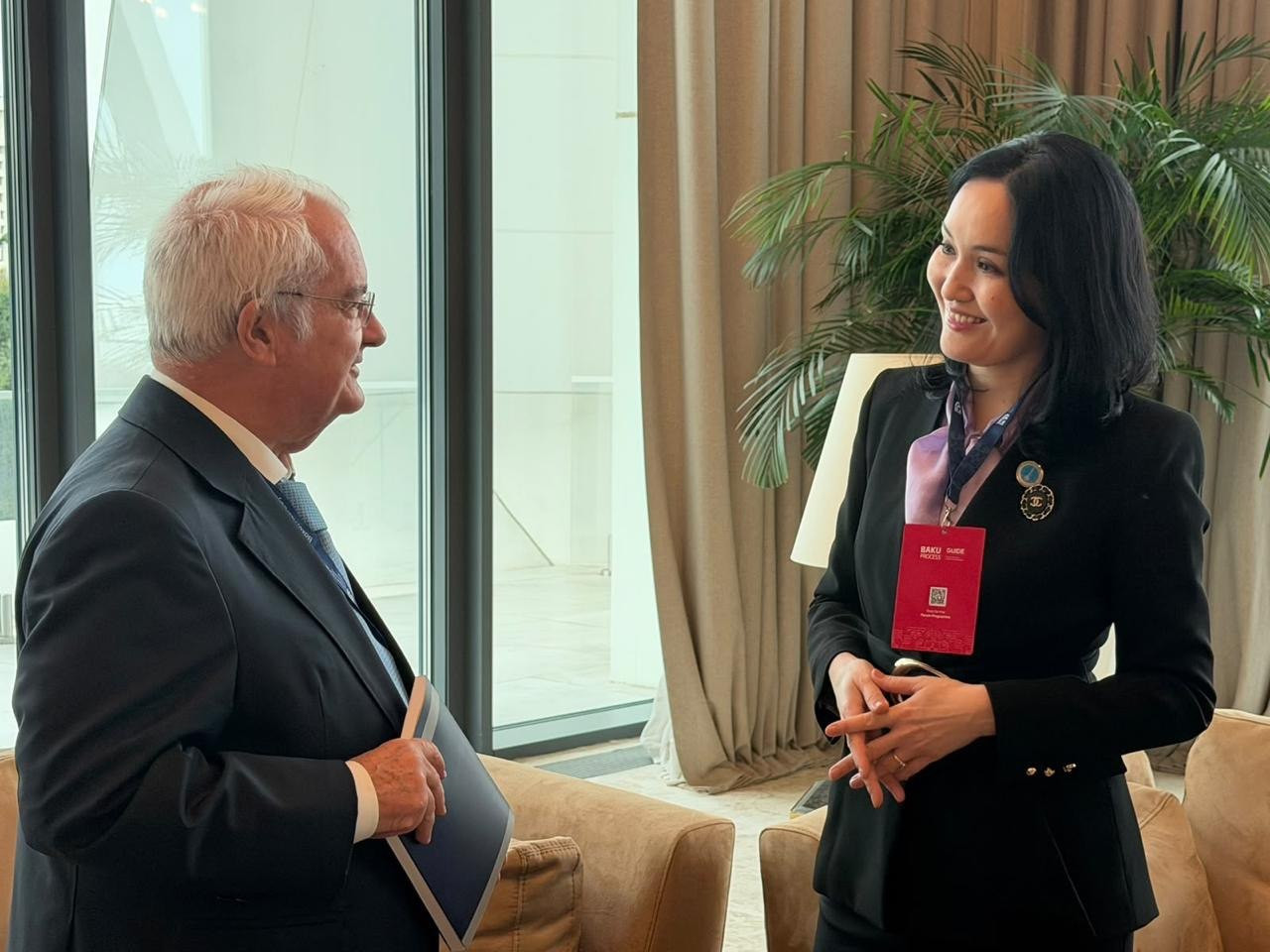
Prospects for practical international cooperation were also discussed during a bilateral meeting with Ambassador António de Almeida-Ribeiro, Acting Secretary-General of the International Dialogue Centre (KAICIID). The parties discussed the renewal of the Memorandum of Understanding and the development of joint projects. The Kazakhstani side also expressed interest in KAICIID's participation in upcoming meetings of the Congress's institutional bodies.
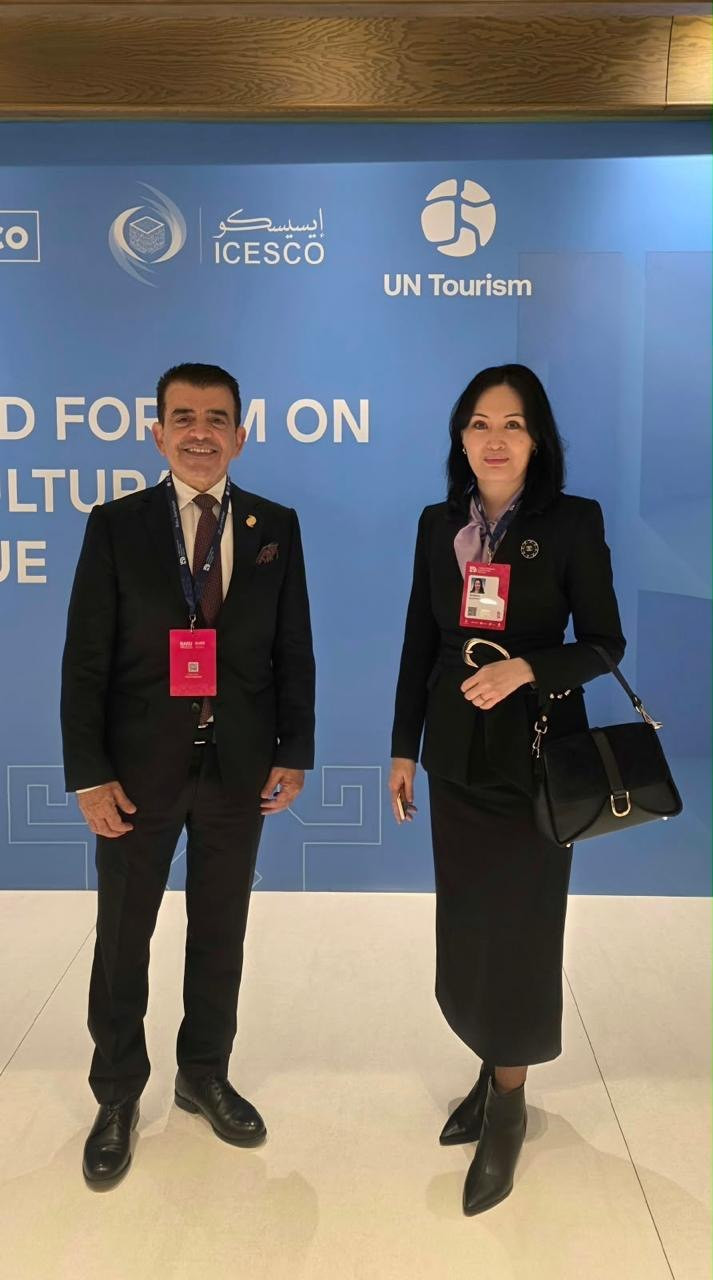
On the sidelines of the forum, working-level engagements were held with representatives of the United Nations Alliance of Civilizations, ICESCO, UNESCO, UN Women and other international organisations.
The complementary roles of the Baku Process and the Congress in Astana open up new opportunities to jointly advance initiatives in interfaith dialogue, the responsible use of artificial intelligence and sustainable development.