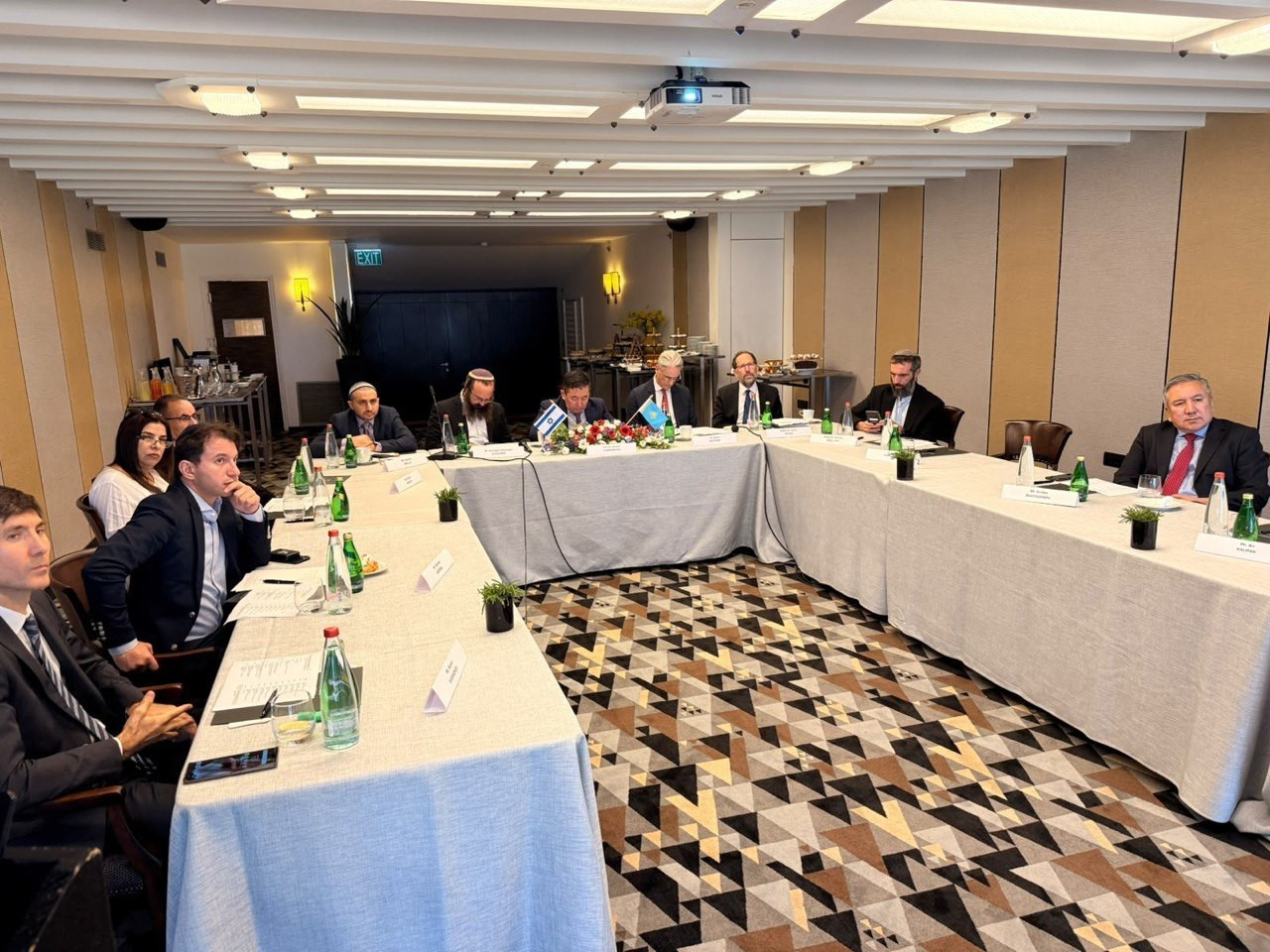
Kazakhstan and Israel explore practical steps for interfaith cooperation
16 November 2026 — Religious leaders and experts from Kazakhstan and Israel met to explore joint initiatives in interfaith dialogue, education, humanitarian work, environmental protection and the responsible use of artificial intelligence.
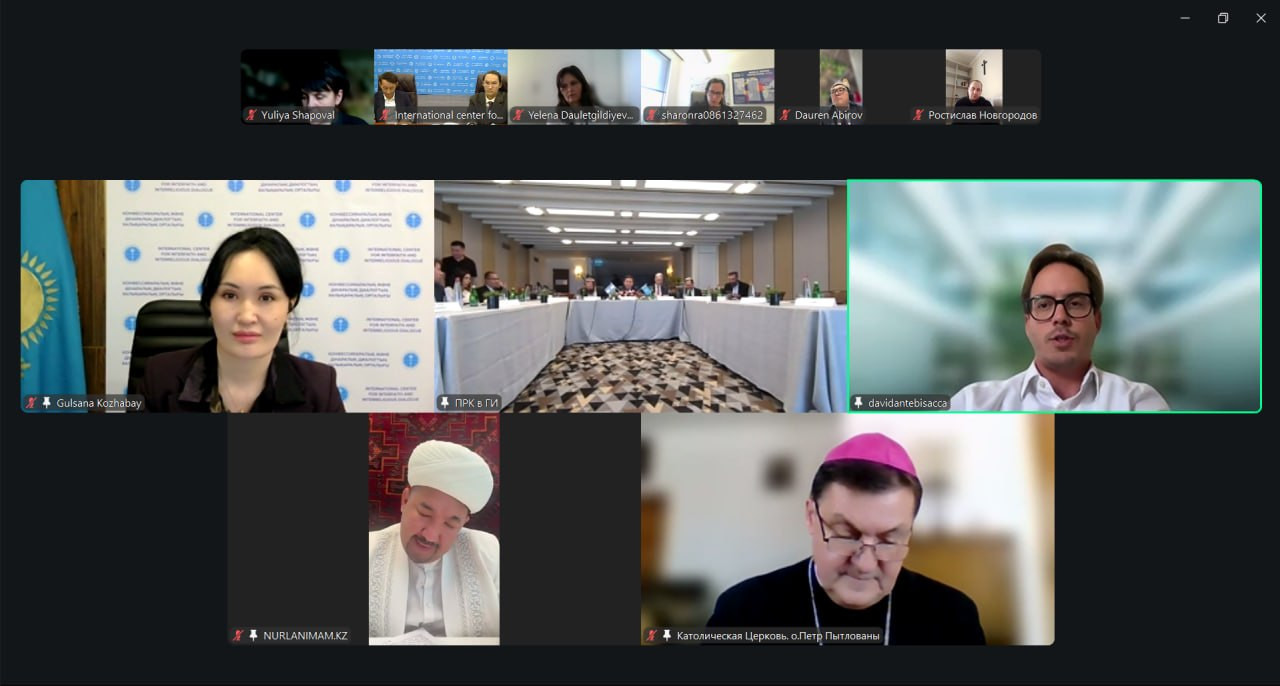
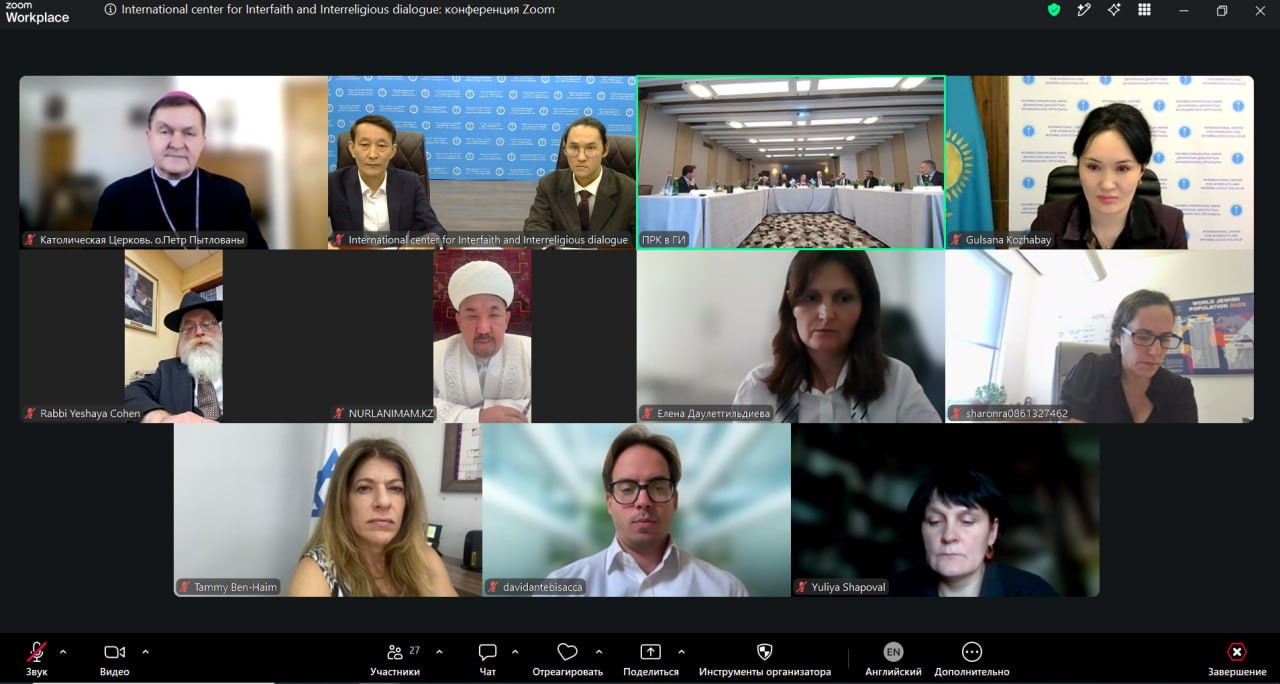
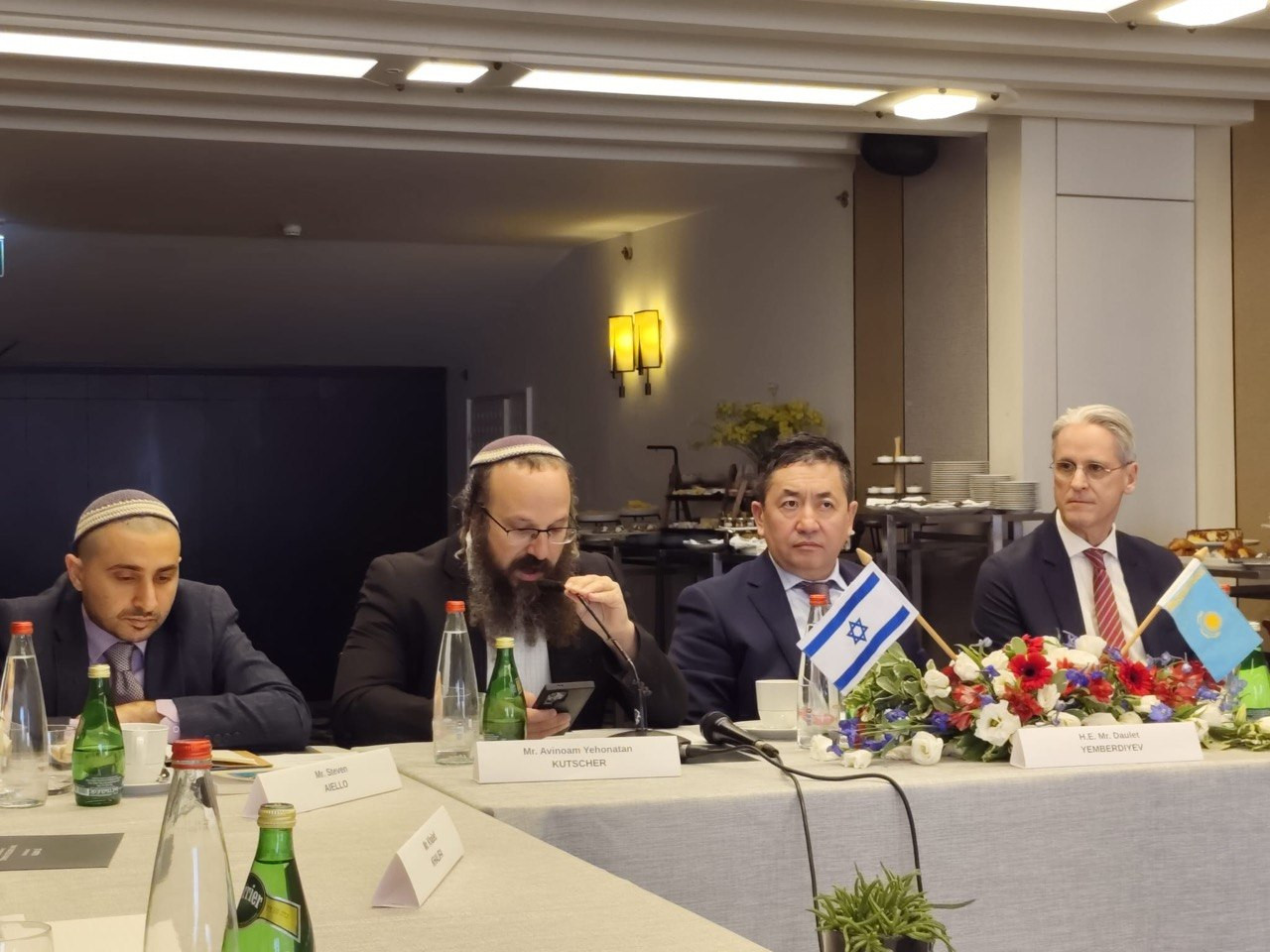
The international roundtable, entitled “Interreligious Cooperation: From Dialogue to Action”, was organised by the International Center for Interfaith and Interreligious Dialogue with support from the Embassy of Kazakhstan in Israel.
It was among the first joint gatherings of its kind to bring together representatives of religious communities, interfaith organisations and experts from both countries.
Participants included Kazakhstan’s Ambassador to Israel, Daulet Yemberdiyev; Gulsana Kozhabay, Chair of the Board of the International Center; and Maksat Ramankulov, Deputy Chairman of the Committee for Religious Affairs at Kazakhstan’s Ministry of Culture and Information. Muslim, Jewish, Christian and Bahá’í representatives joined academics and experts from the two countries.
The central aim was to move from sharing experience to developing concrete joint initiatives.
Opening the meeting, Kazakhstan’s Ambassador Daulet Yemberdiyev highlighted the growing uncertainty on the global stage, echoing President Kassym-Jomart Tokayev’s remarks in his recent State of the Nation Addressabout an increasingly complex and unpredictable international environment. At a time of heightened global tensions, the Ambassador stressed that building trust and strengthening ties between religious communities was more important than ever.
Gulsana Kozhabay said the roundtable continued a dialogue begun with the Jerusalem Interfaith Center in June 2026, creating opportunities for closer direct ties between religious communities and experts in both countries.
She stressed that Kazakhstan’s experience of interfaith harmony was rooted both in its international initiatives and in the everyday coexistence of people from different cultures and faiths. This experience underpins the work of the Congress of Leaders of World and Traditional Religions, which has brought representatives of diverse religious traditions together in Astana since 2003.
Discussions also focused on putting into practice the decisions of the 24th meeting of the Congress Secretariat, held on 7 October 2026 and chaired by Kazakhstan’s Vice-President, Erlan Karin.
Two documents were presented: the “Code of Ethics for the Use of Artificial Intelligence in Religious Contexts” and “The Role of Religions in Combating Climate Change”. The humanitarian agenda also included the “Charter of the Rights of a Child with an Incurable Disease”, developed in cooperation with the Holy See.
The Kazakh delegation invited Israeli counterparts to explore ways to advance all three initiatives together, including through links with relevant scientific, technological, environmental and medical organisations in Israel.
Imam Nurlan Asanov, representing the Spiritual Administration of Muslims of Kazakhstan, said the country’s culture of peaceful coexistence had developed over generations through interaction between different peoples and traditions.
“Where people do not know one another, suspicion and alienation arise. Where there is communication and open dialogue, mutual respect and trust take their place,” he said.
Rabbi Yakov Nagen, President of the Jerusalem Interfaith Center, encouraged participants to view interfaith dialogue as more than an expression of tolerance: it was also an opportunity to learn from one another while respecting differences.
“Kazakhstan has made interfaith dialogue part of its contribution to peace. This is a priceless gift,” he said.
Bishop Peter Pytlovany of the Roman Catholic Diocese of Karaganda outlined practical ways to turn dialogue into action. His proposals included interfaith volunteer groups to help older people, people with disabilities and those with serious illnesses; joint environmental activities; and a “Kazakhstan Faiths Open Doors Week”.
He said interfaith dialogue should lead to tangible social and humanitarian work — a “dialogue through service”.
Professor Yuliya Shapoval of L.N. Gumilyov Eurasian National University highlighted the importance of academic and educational cooperation. She proposed joint research involving universities and expert institutions in both countries, including studies of the legacies of Khoja Ahmed Yasawi and Al-Farabi in the context of interfaith relations. The discussion also addressed incorporating the principles of intercultural dialogue into educational programmes.
Khaled Khalifa, Director General of the Arab Council for International Relations, said: “A forum such as the Congress of Leaders of World and Traditional Religions can serve as an example for other countries. Kazakhstan’s experience of interfaith dialogue should be studied in colleges and universities so that other countries and societies can learn from it and develop a culture of peaceful coexistence.”
Participants expressed interest in maintaining direct contacts, developing joint humanitarian, educational and research projects, and strengthening practical cooperation between religious communities. Possible next steps include signing memorandums of understanding with partner organisations.
The roundtable marked a first step towards more systematic cooperation between religious communities and experts in Kazakhstan and Israel, focused on concrete initiatives and stronger mutual trust.