Kazakhstan and Sovereign Order of Malta Identify New Areas for Humanitarian Cooperation
Astana, 17 November 2026
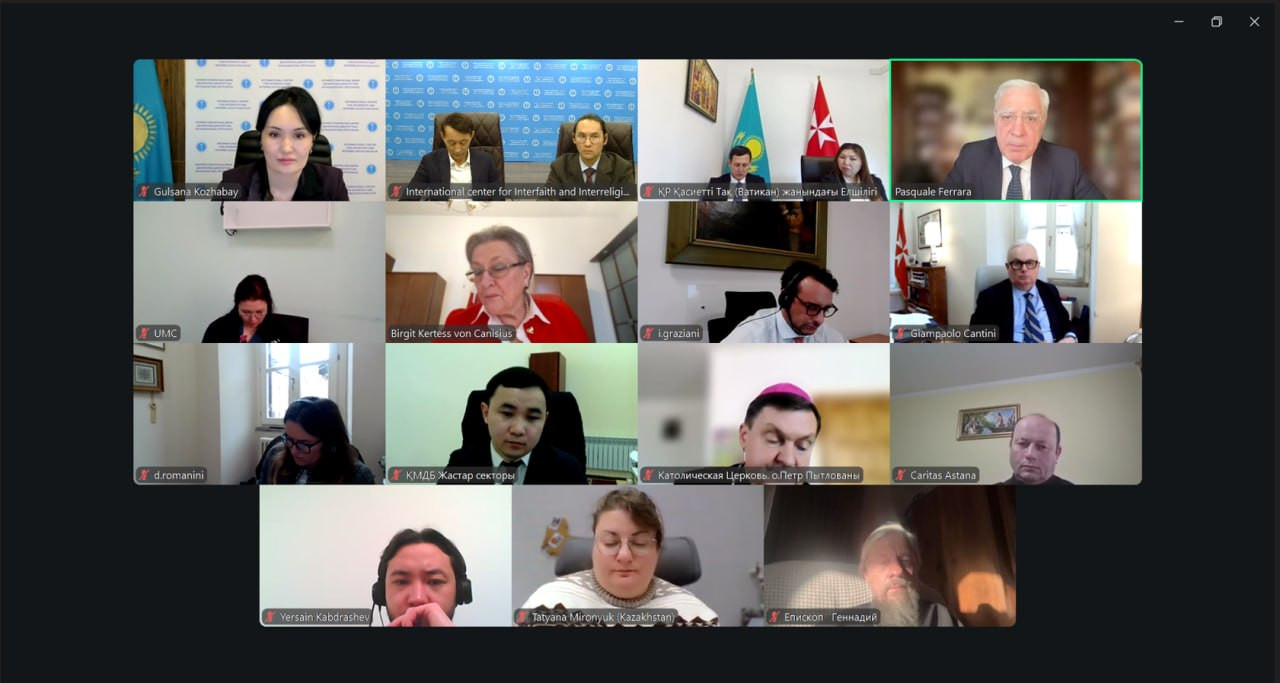
Protecting children with incurable illnesses, supporting communities affected by natural disasters and strengthening international volunteer cooperation were at the heart of a roundtable discussion titled “Interreligious and Humanitarian Cooperation within the Framework of the Congress of the Leaders of World and Traditional Religions.”
The event was jointly organised by the International Center for Interfaith and Interreligious Dialogue and the Sovereign Order of Malta, with the support of the Embassy of the Republic of Kazakhstan to the Holy See and the Sovereign Order of Malta.
The meeting built on the partnership between the International Center and the Sovereign Order of Malta, formalised through a Memorandum of Understanding signed on 12 December 2025.
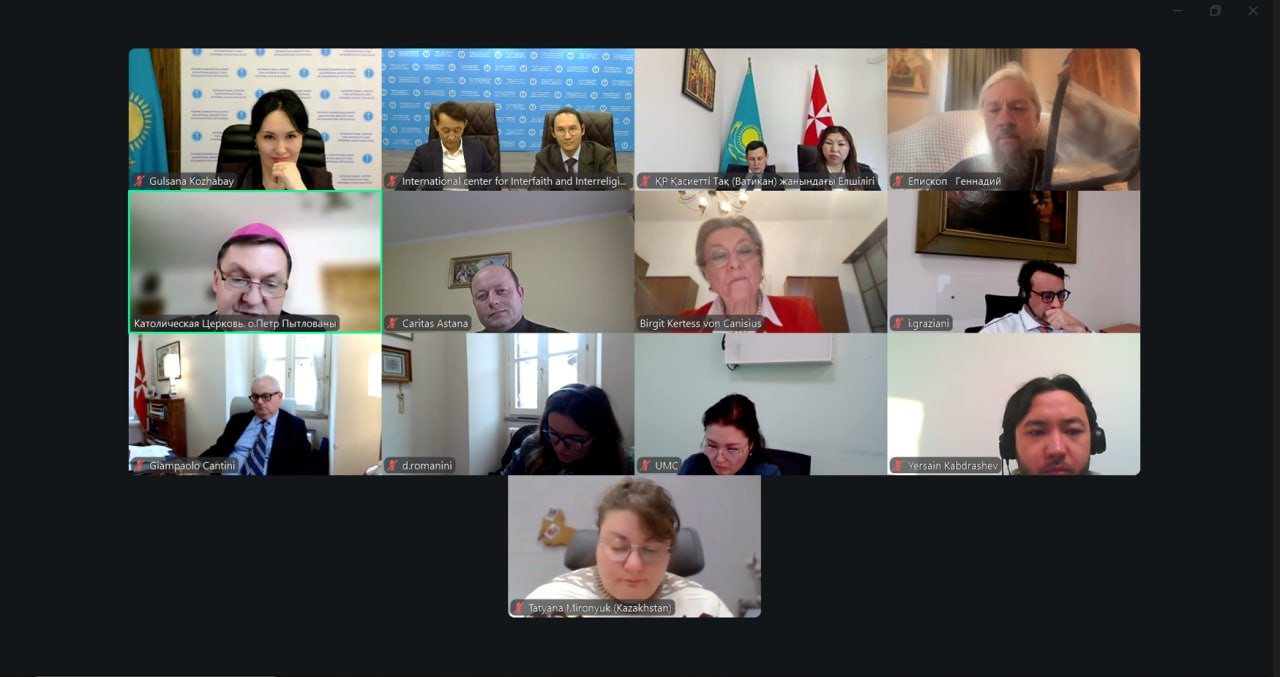
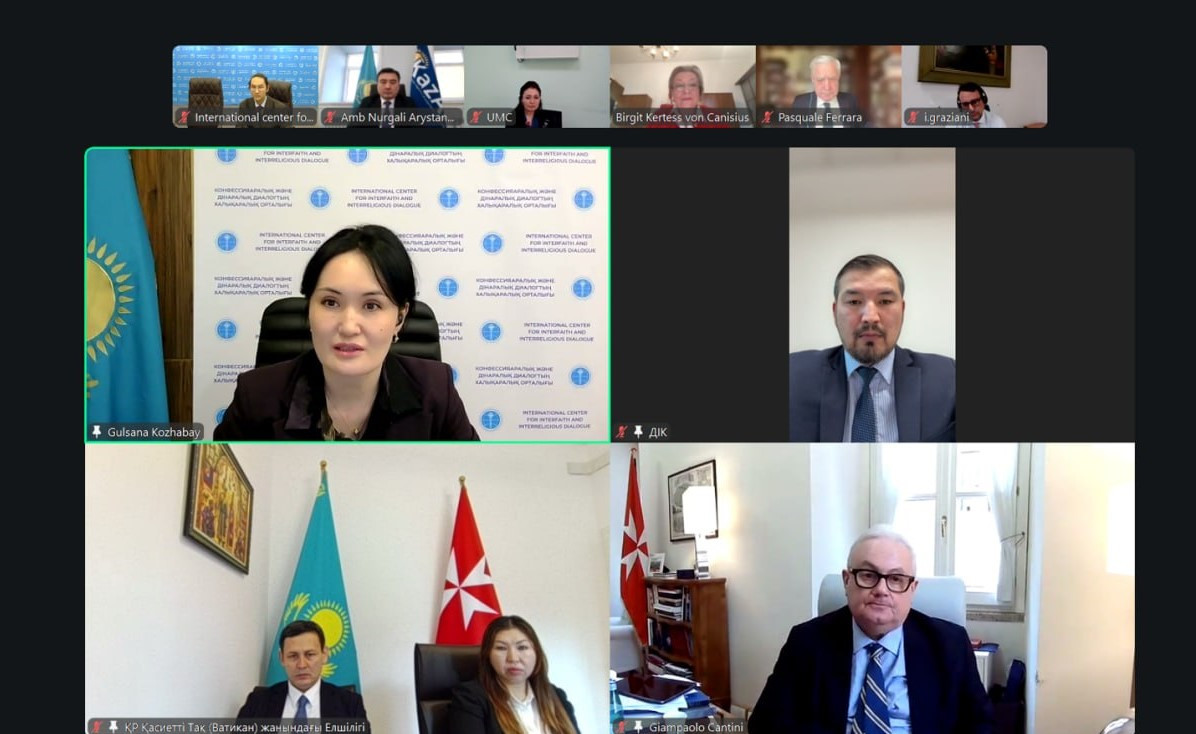
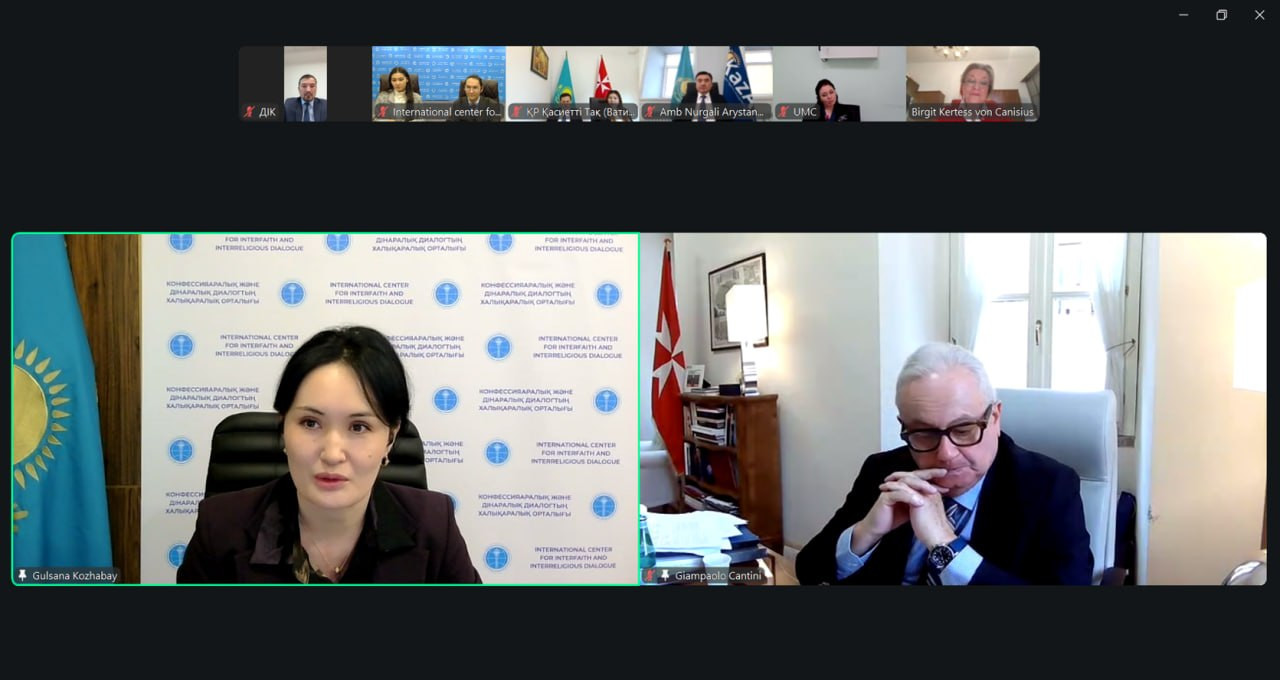
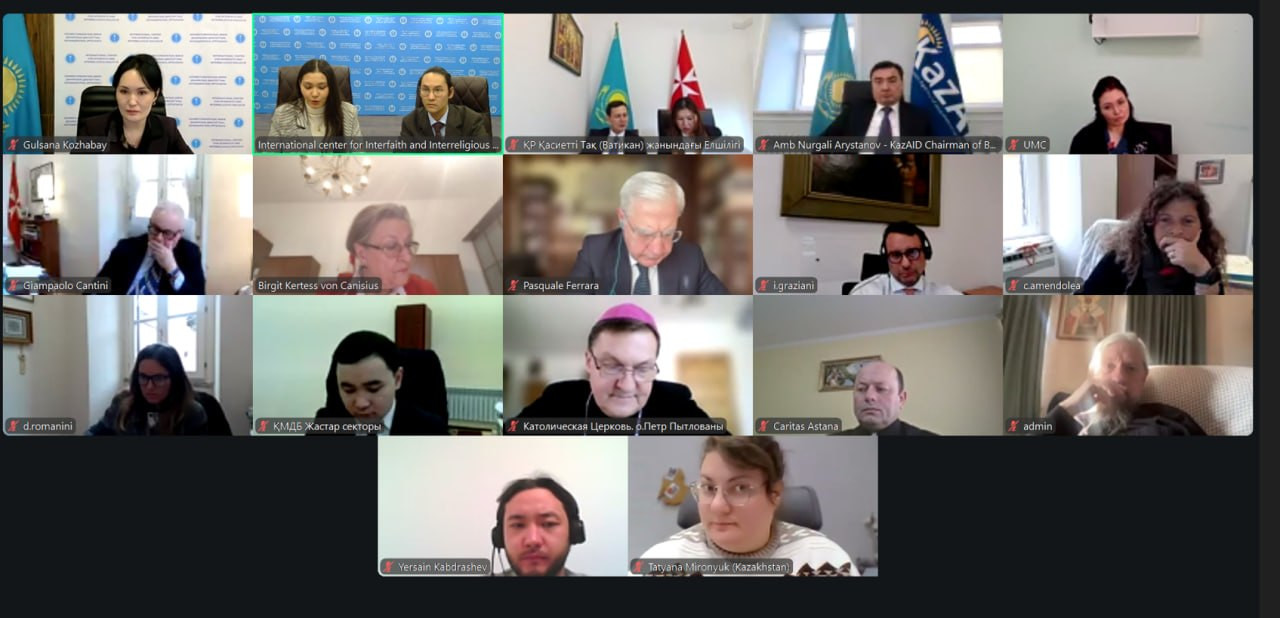
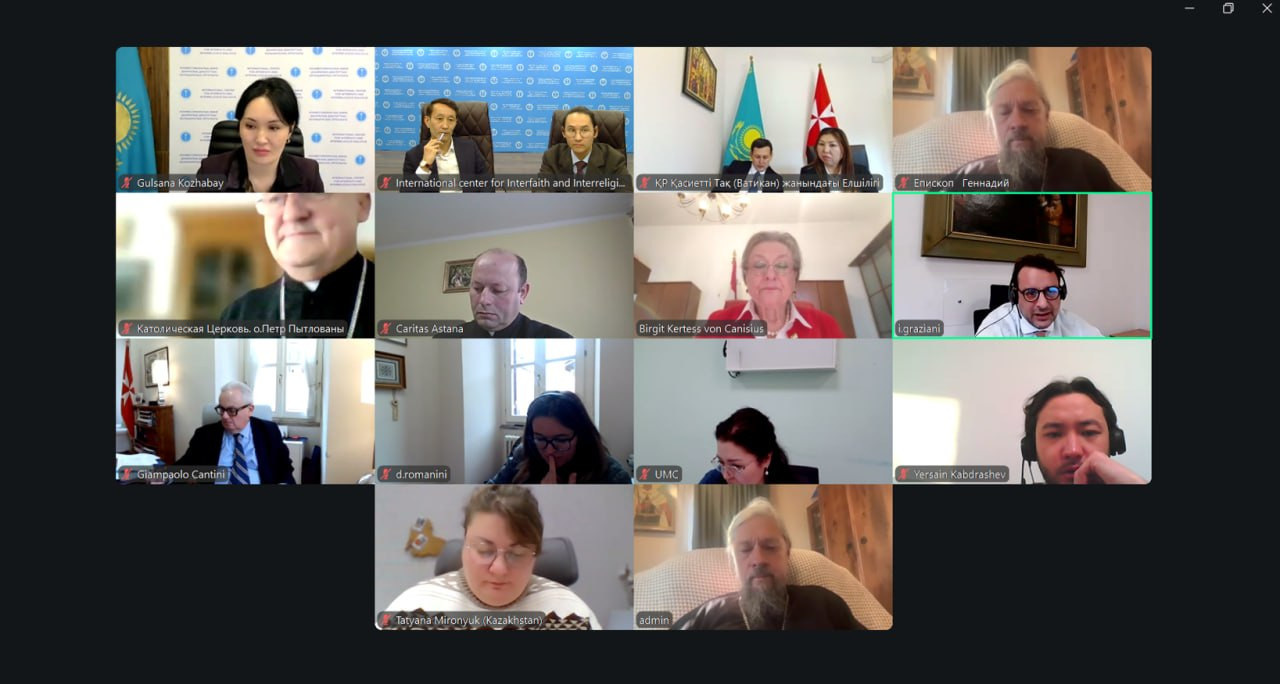
Participants included Ambassador Giampaolo Cantini, Secretary General for Foreign Affairs of the Sovereign Order of Malta, alongside representatives of Kazakhstan's government institutions, KazAID, the Red Crescent Society, University Medical Center, Caritas, UNICEF Jastary and the National Volunteer Network. Members of the diplomatic corps, religious communities, international humanitarian organisations, medical institutions and youth volunteer movements also joined the discussions.
In her opening remarks, Gulsana Kozhabay, Chair of the Board of the International Center for Interfaith and Interreligious Dialogue, highlighted the shared humanitarian mission of the two organisations despite their distinct areas of activity.
While the International Center works to advance peace and mutual understanding through interreligious dialogue, the Sovereign Military Order of Malta has spent more than nine centuries putting the principles of compassion and solidarity into practice through humanitarian assistance.
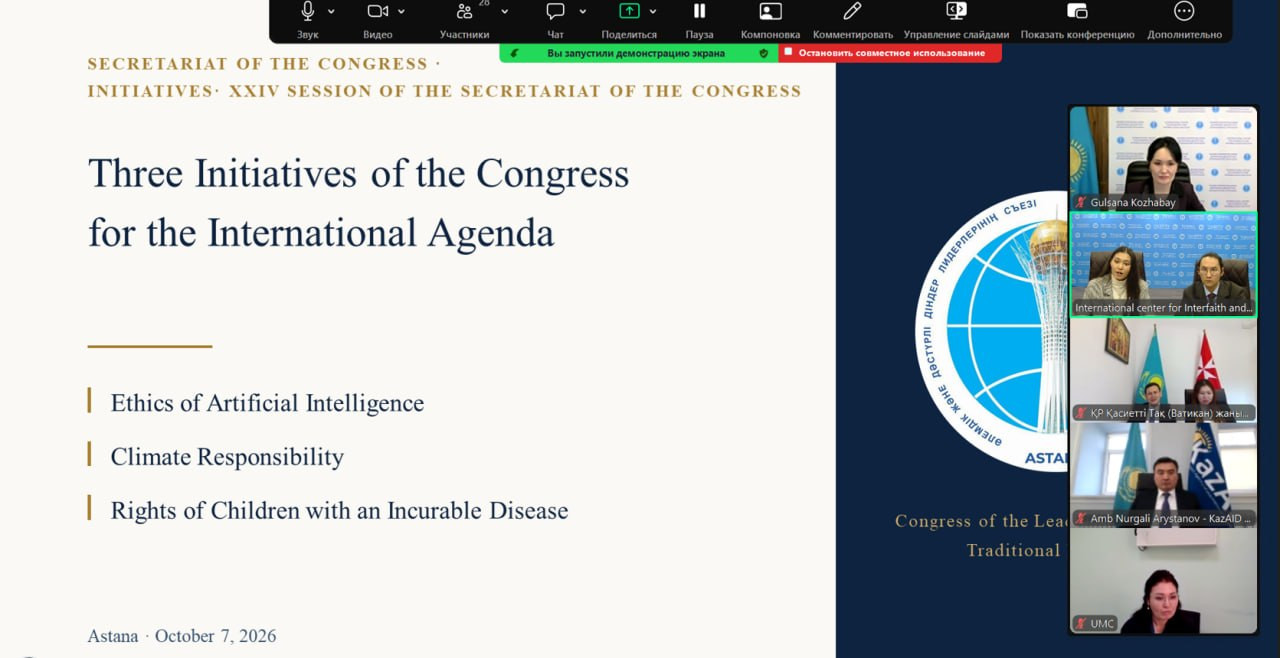
A central focus of the roundtable was translating the decisions of the 24th Meeting of the Secretariat of the Congress of the Leaders of World and Traditional Religions, held on 7 October 2026 under the chairmanship of Erlan Karin, Vice-President of the Republic of Kazakhstan, into practical initiatives.
Two key documents were presented: “Code of Ethics for the Use of Artificial Intelligence in Religious Contexts” and “The Role of Religions in Combating Climate Change”. The humanitarian agenda also featured the “Charter of the Rights of a Child with an Incurable Disease”, developed in cooperation with the Holy See.
Against this backdrop, the Sovereign Order of Malta's extensive experience in healthcare, social services and humanitarian assistance was recognised as particularly relevant, alongside the work of Bambino Gesù Children's Hospital and Kazakhstan's medical institutions.
Ambassador Giampaolo Cantini outlined the Order's principal areas of activity, noting that for more than nine centuries it has provided medical, social and humanitarian assistance to people in need, regardless of their background or religious beliefs.
Today, the Order operates in 130 countries, supporting vulnerable communities, refugees and people affected by armed conflicts and natural disasters.
The humanitarian consequences of climate change formed another important part of the discussion. Participants explored ways to strengthen emergency response, provide assistance to affected populations and prepare volunteers to operate effectively during humanitarian crises.
These priorities are closely aligned with the Congress document “The Role of Religions in Combating Climate Change”, which calls for greater involvement of religious communities in addressing environmental challenges.
Nurbolat Sovetkhanov, Head of the Youth Sector of the Spiritual Administration of Muslims of Kazakhstan; Bishop Gennady, Vicar of the Astana Diocese; and Monsignor Petr Pytlovany, Bishop of the Roman Catholic Diocese of Karaganda, spoke about the role of religious leaders in supporting vulnerable communities.
Bishop Gennady emphasised the importance of spiritual support for children facing incurable illnesses and for their families. He highlighted the responsibility of religious leaders to help children find meaning amid suffering and preserve hope during difficult times.
He also noted that the “Charter of the Rights of a Child with an Incurable Disease” reflects a broader shift from interreligious dialogue towards practical humanitarian action.
International volunteering was another major theme of the roundtable. Representatives of religious and youth organisations discussed opportunities for joint volunteer training, educational programmes and the exchange of expertise in humanitarian work.
A representative of the UNICEF Zhastary national youth volunteer programme presented the results of its activities, including the planting of 20,000 trees and the collection of more than 700 tonnes of waste for recycling. The programme also reported a volunteer satisfaction rate of 98.5%.
Tatyana Mironyuk, Executive Director of the National Volunteer Network, expressed interest in cooperating with the Sovereign Order of Malta to train volunteers and volunteer coordinators for emergency response operations.
She stressed that international humanitarian organisations often follow different emergency response procedures, making the exchange of experience and coordination of approaches essential to ensuring that volunteers can respond quickly and professionally in crisis situations.
At the conclusion of the roundtable, participants identified several promising areas for further cooperation, including expert exchanges, educational programmes and joint initiatives in healthcare, social support and humanitarian assistance.
The developing partnership offers new opportunities to advance the humanitarian priorities of the Congress of the Leaders of World and Traditional Religions, helping turn interreligious dialogue into practical international cooperation.