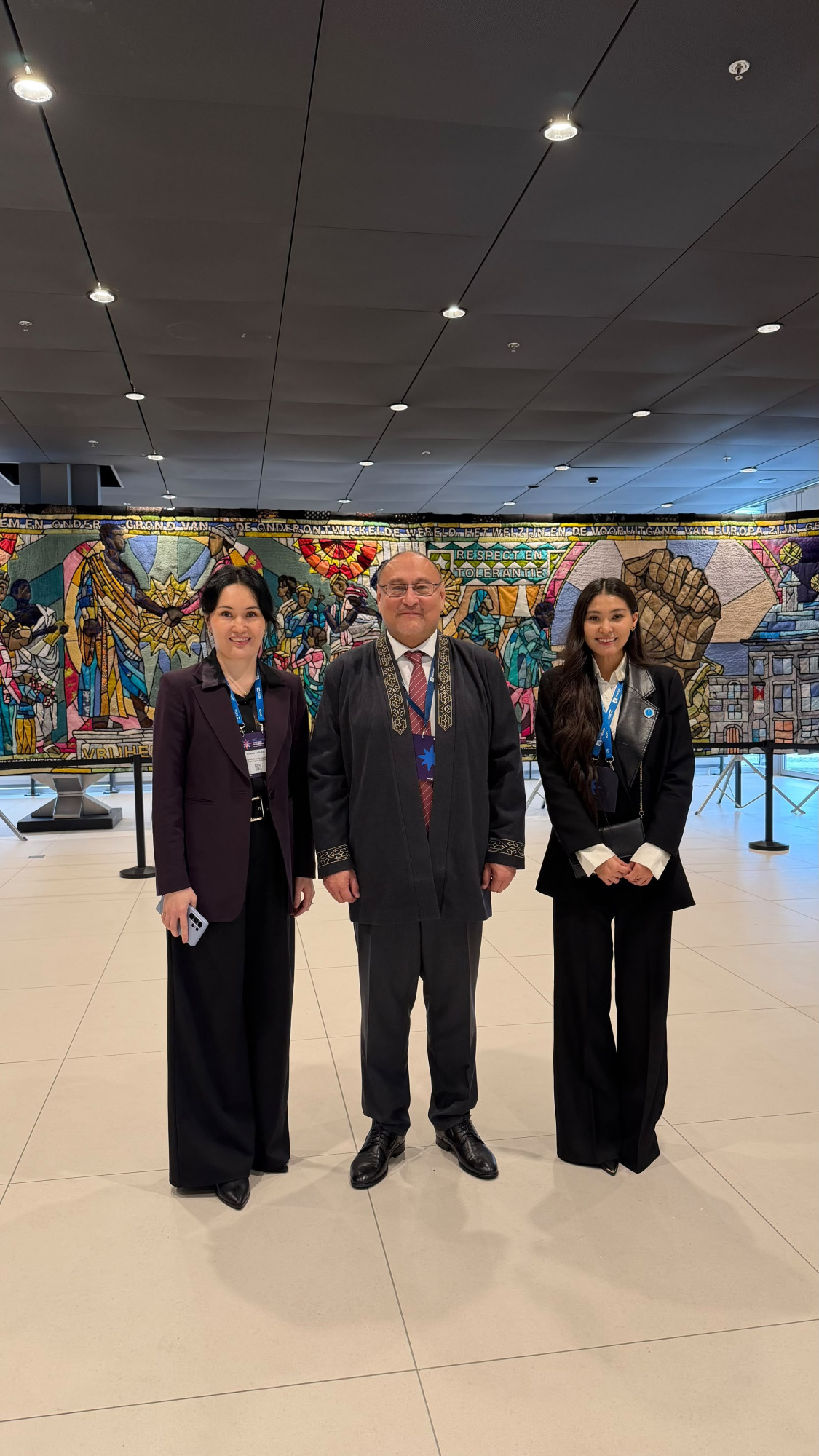
Kazakhstan shares its experience in interfaith dialogue at UNESCO Global Forum in The Hague
Kazakhstan’s debut at the forum opens new avenues for cooperation with UNESCO and European partners
THE HAGUE, October 30, 2026 — Kazakhstan made its first appearance at the fifth UNESCO Global Forum against Racism and Discrimination, held in the Netherlands on October 28–30. As the only Central Asian country represented, Kazakhstan contributed to the international debate on tackling social polarization and strengthening intercultural and interfaith dialogue.
The forum provided an opportunity to share Kazakhstan’s experience in promoting interethnic and interfaith harmony with an international audience of experts, while broadening the network of partners of the International Center for Interfaith and Interreligious Dialogue and the Secretariat of the Congress of the Leaders of World and Traditional Religions. New working contacts with UNESCO, European institutions and international experts were a particularly valuable outcome.
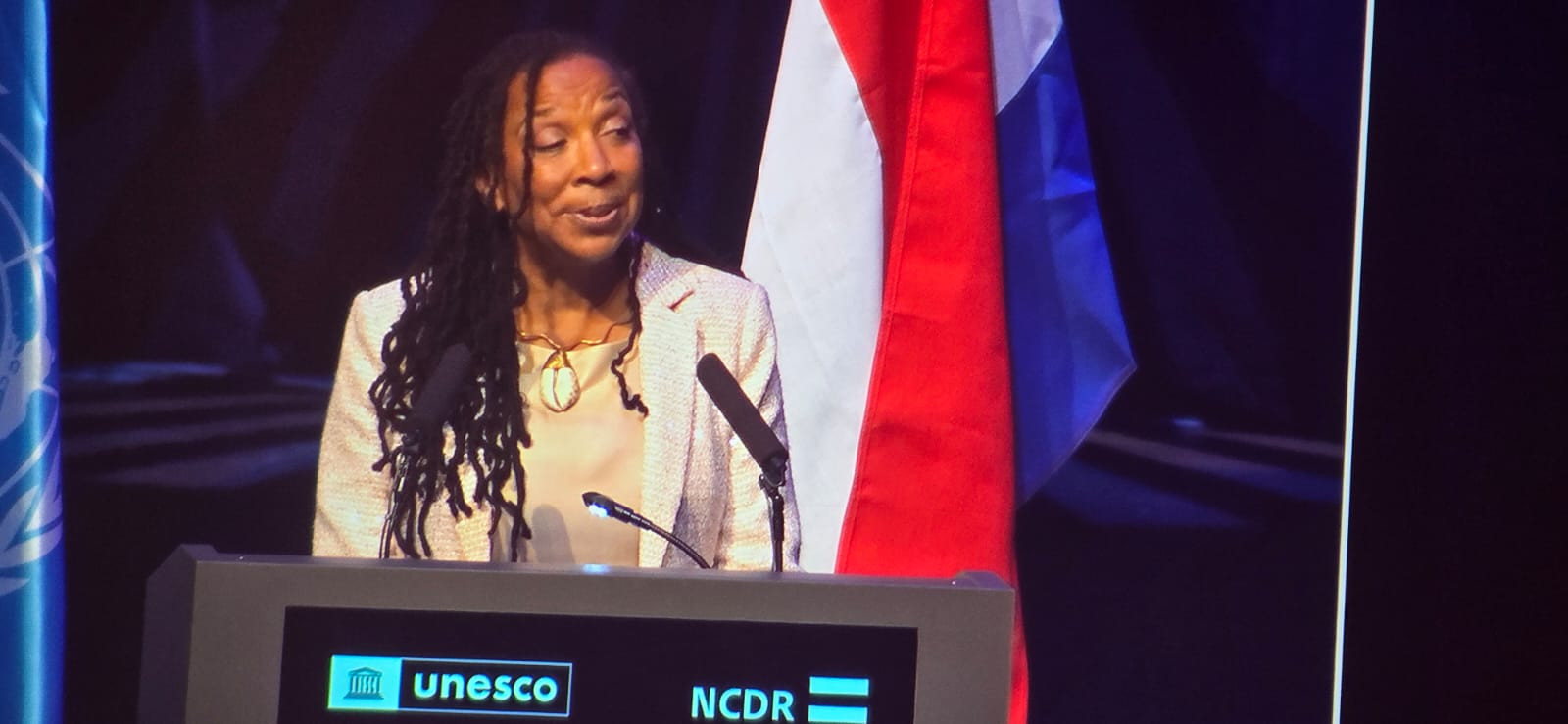
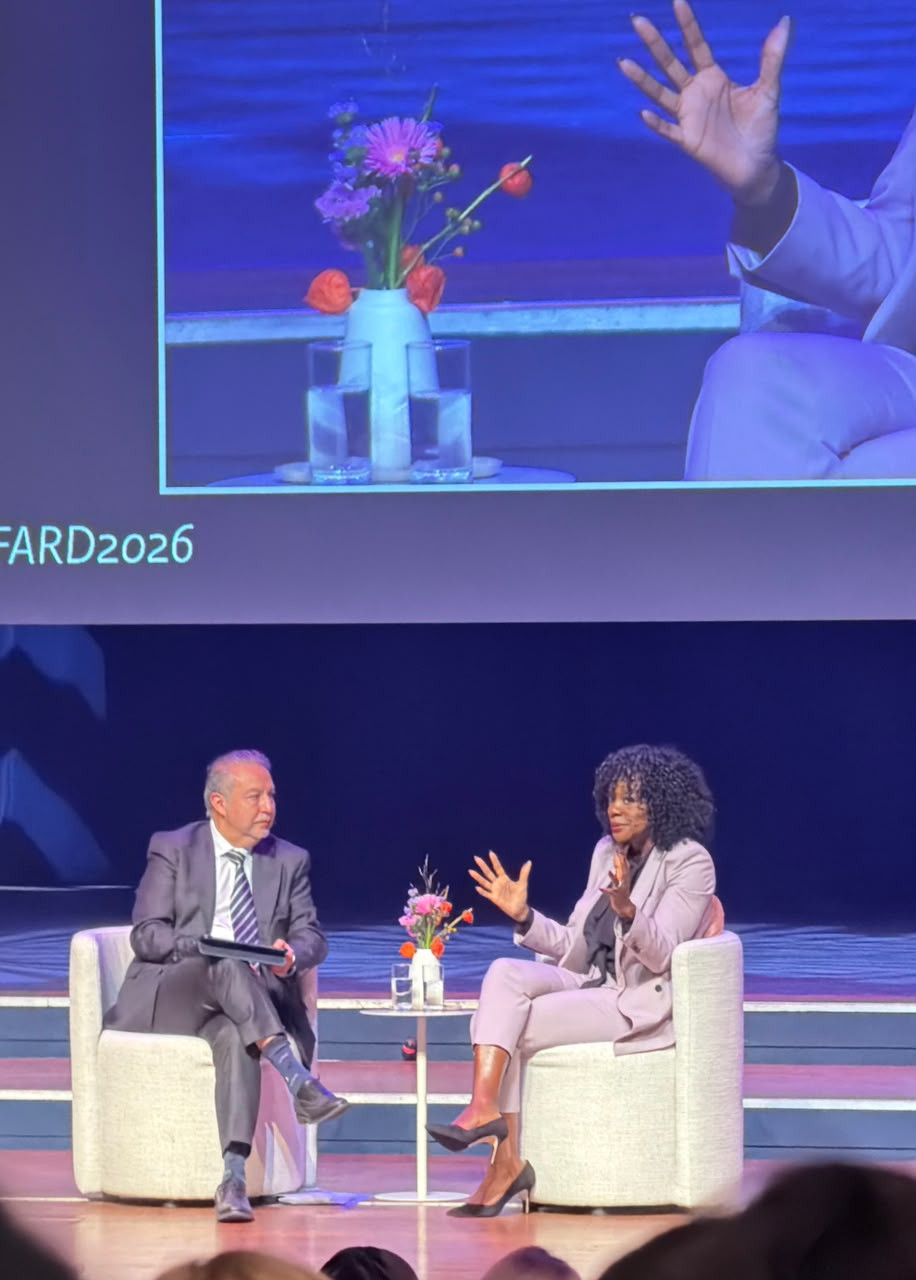
Supported by the Government of the Netherlands, the forum brought together policymakers, representatives of the United Nations system, scholars and human rights advocates to address racism, discrimination and growing social polarization. King Willem-Alexander of the Netherlands, senior UNESCO officials, representatives of European institutions and leading international experts took part in the official program.
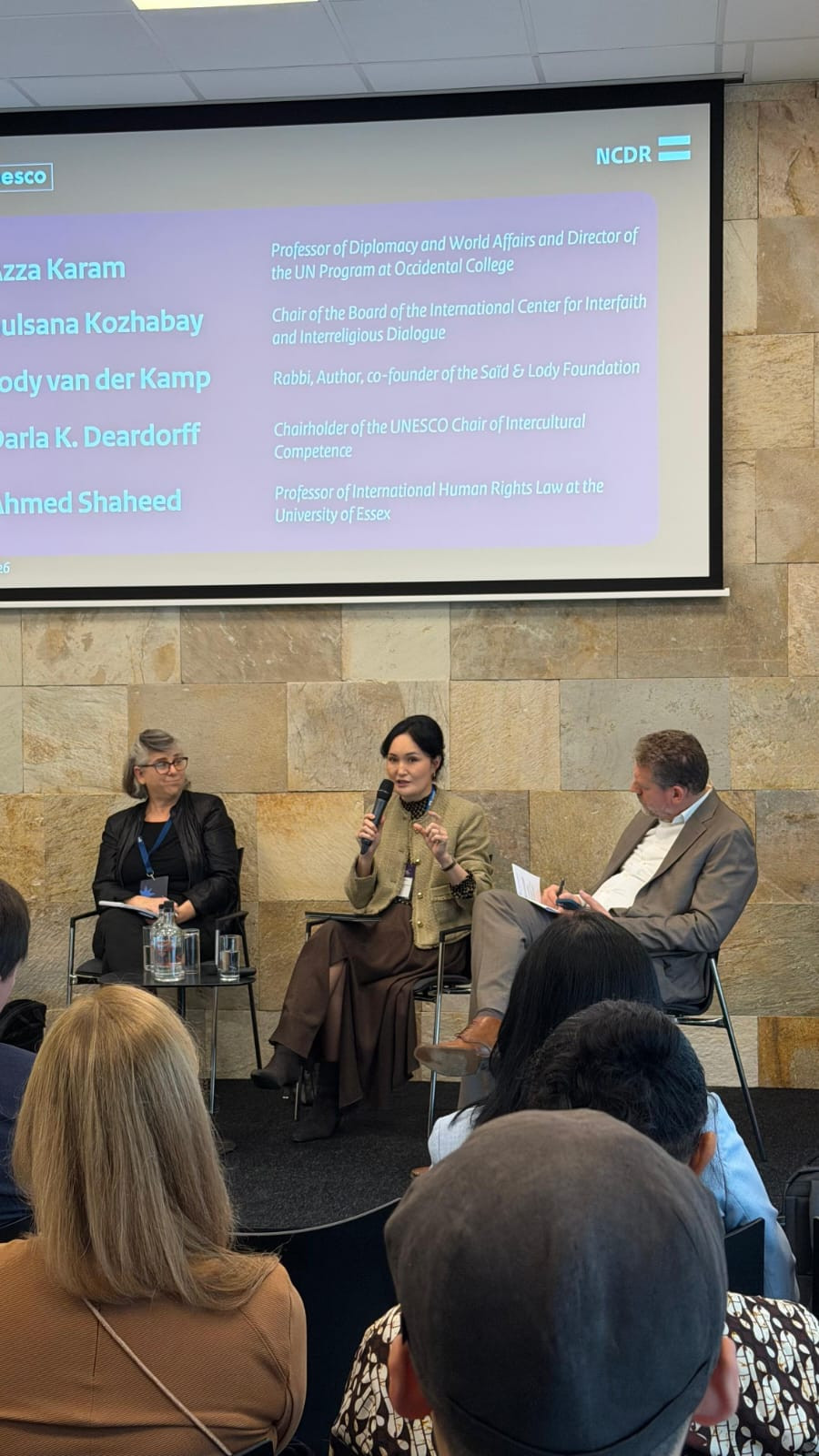
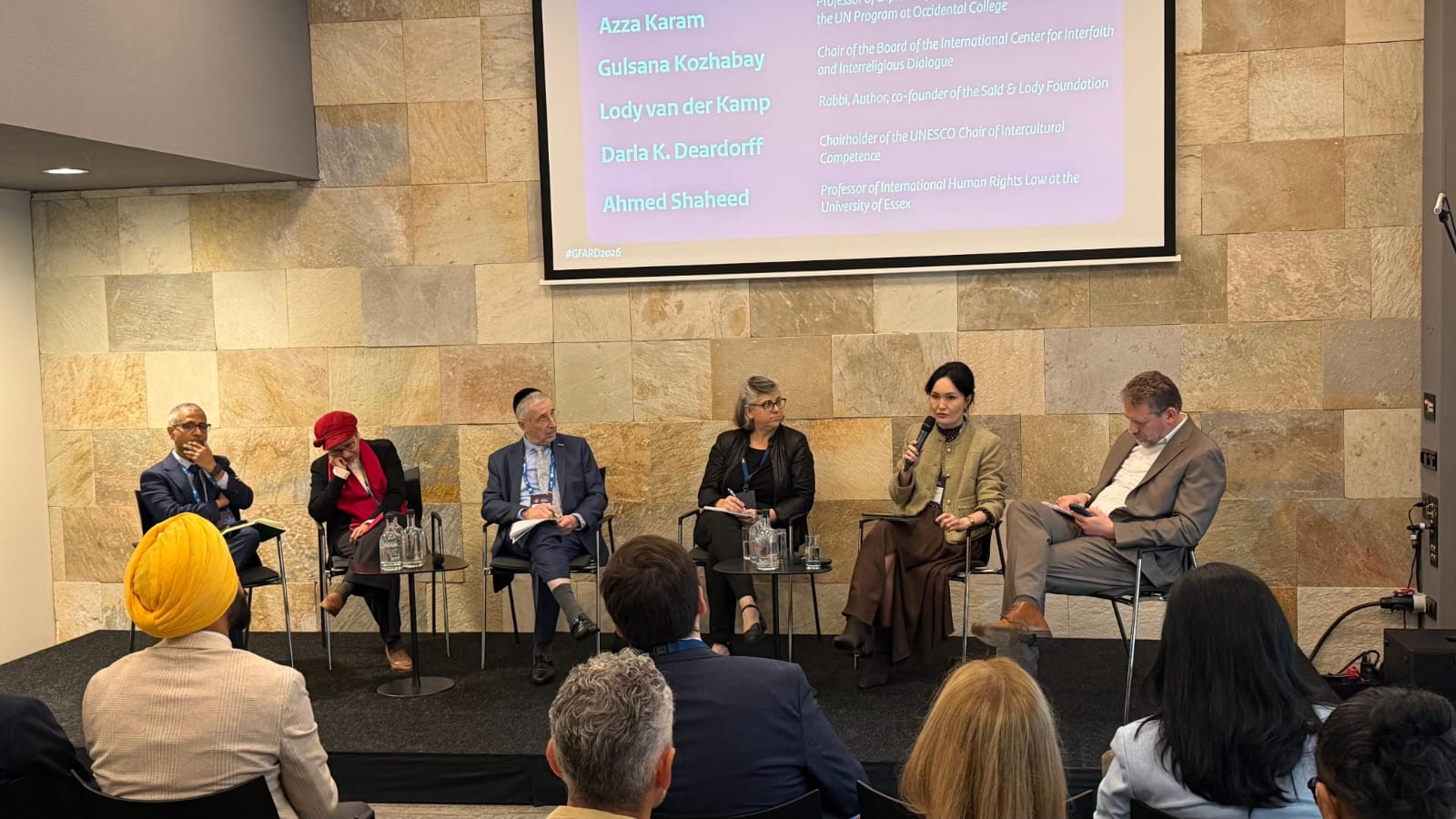
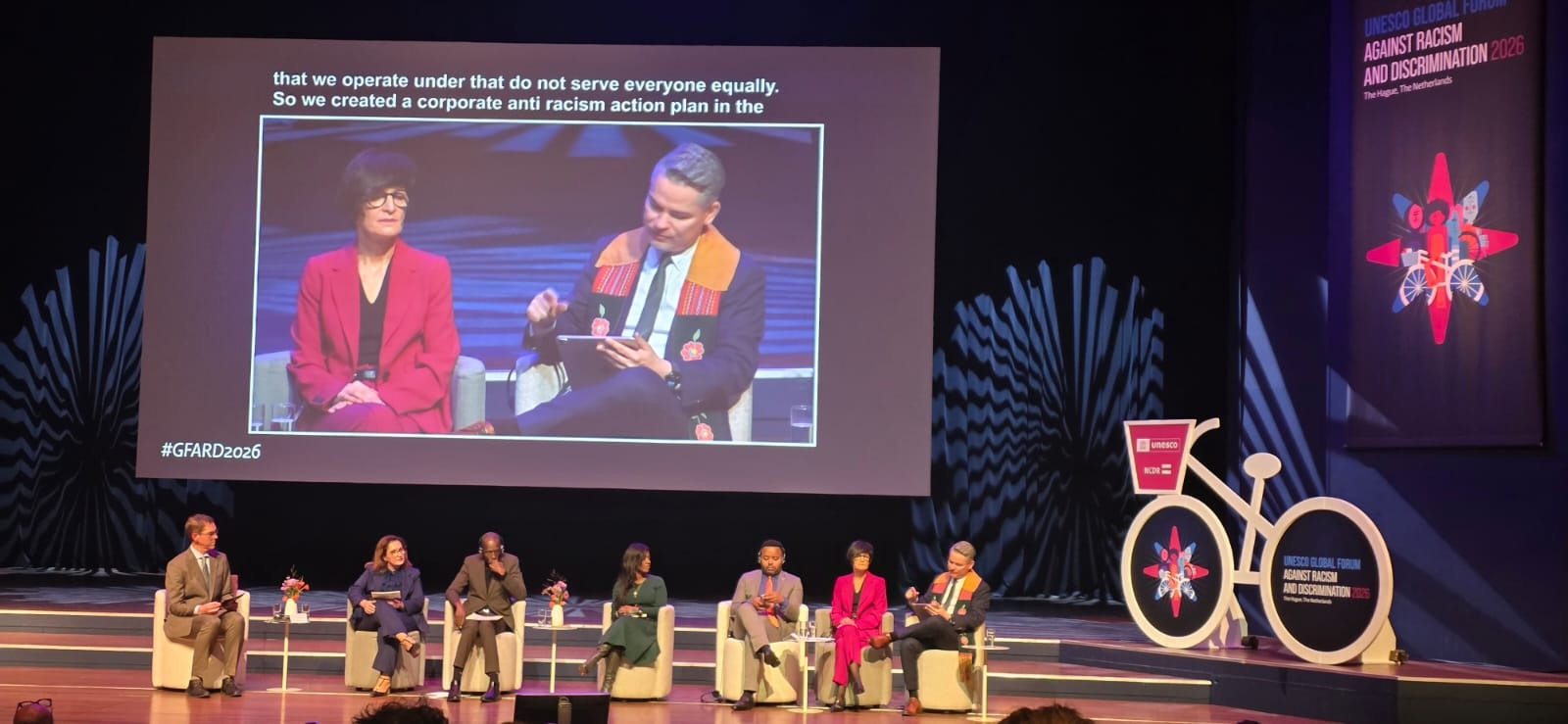
Gulsana Kozhabay, Chair of the Board of the International Center for Interfaith and Interreligious Dialogue, spoke at a panel on intercultural and interfaith dialogue and building bridges in divided societies. Other participants included Professor Azza Karam, Rabbi Lody van de Kamp, UNESCO Chairholder Darla Deardorff and human rights advocate Ahmed Shaheed.
Her remarks focused on Kazakhstan’s approach to social cohesion: declarations alone cannot sustain it. Cohesion requires continuous engagement between communities, stronger trust and joint efforts to address shared challenges.
Drawing on Kazakhstan’s history, Gulsana Kozhabay recounted how local residents secretly passed food to women imprisoned in the ALZHIR camp, disguising pieces of kurt, a traditional dried dairy product, as stones. The story served as a reminder that compassion can overcome fear and division even in the darkest times.
That tradition finds practical expression today in Kazakhstan’s sustained efforts to strengthen dialogue across society. Participants heard about the country’s constitutional reforms and the Halyq Kenesi initiative, conceived as a nationwide platform for engagement between the state and society. Particular attention was given to ongoing work with religious communities through roundtables, conferences and joint initiatives, as well as events marking the Day of Spiritual Accord.
Internationally, this approach is advanced through the Congress of the Leaders of World and Traditional Religions, which has brought representatives of different faiths together in Astana since 2003. Under President Kassym-Jomart Tokayev’s leadership, the Congress continues to develop a practical agenda for interfaith cooperation. Its Secretariat is headed by Kazakhstan’s Vice President, Erlan Karin.
Examples of the shift from dialogue to joint action included two documents adopted by the Congress Secretariat in October 2026: “The Role of Religions in Combating Climate Change” and the “Code of Ethics for the Use of Artificial Intelligence in the Religious Sphere.” Also presented was the endorsed “Charter of the Rights of a Child with an Incurable Disease,” developed in cooperation with the Holy See.
Operation Jusan was highlighted as an example of a comprehensive humanitarian approach to the repatriation and reintegration of citizens from armed conflict zones. Working with civil society organizations, psychologists, social workers and religious specialists, the state sought to do more than bring people home. Its efforts also focused on helping them reconnect with society, access education and psychological support, and build independent lives.
“Dialogue does not happen on its own. We need to create opportunities for people to meet, get to know one another and work together. Building bridges means bringing people together, shaping perspectives and strengthening trust,” Gulsana Kozhabay said.
The discussion also explored how successful initiatives could extend their impact beyond international conferences. Participants identified several promising avenues: permanent platforms for engagement, outreach to young people and the media, sharing real human stories, and assessing dialogue through the trust it builds and the durability of joint projects.
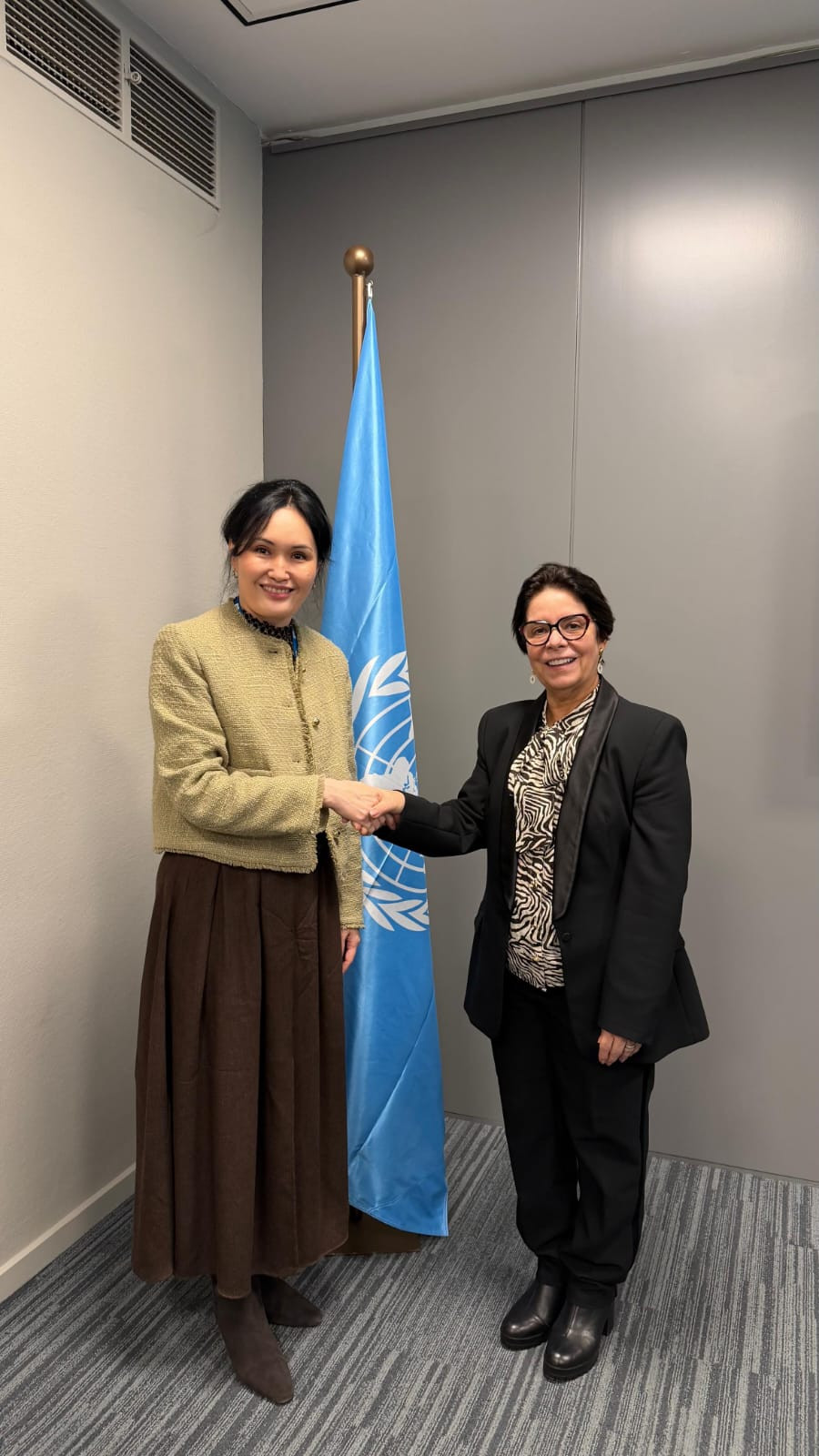
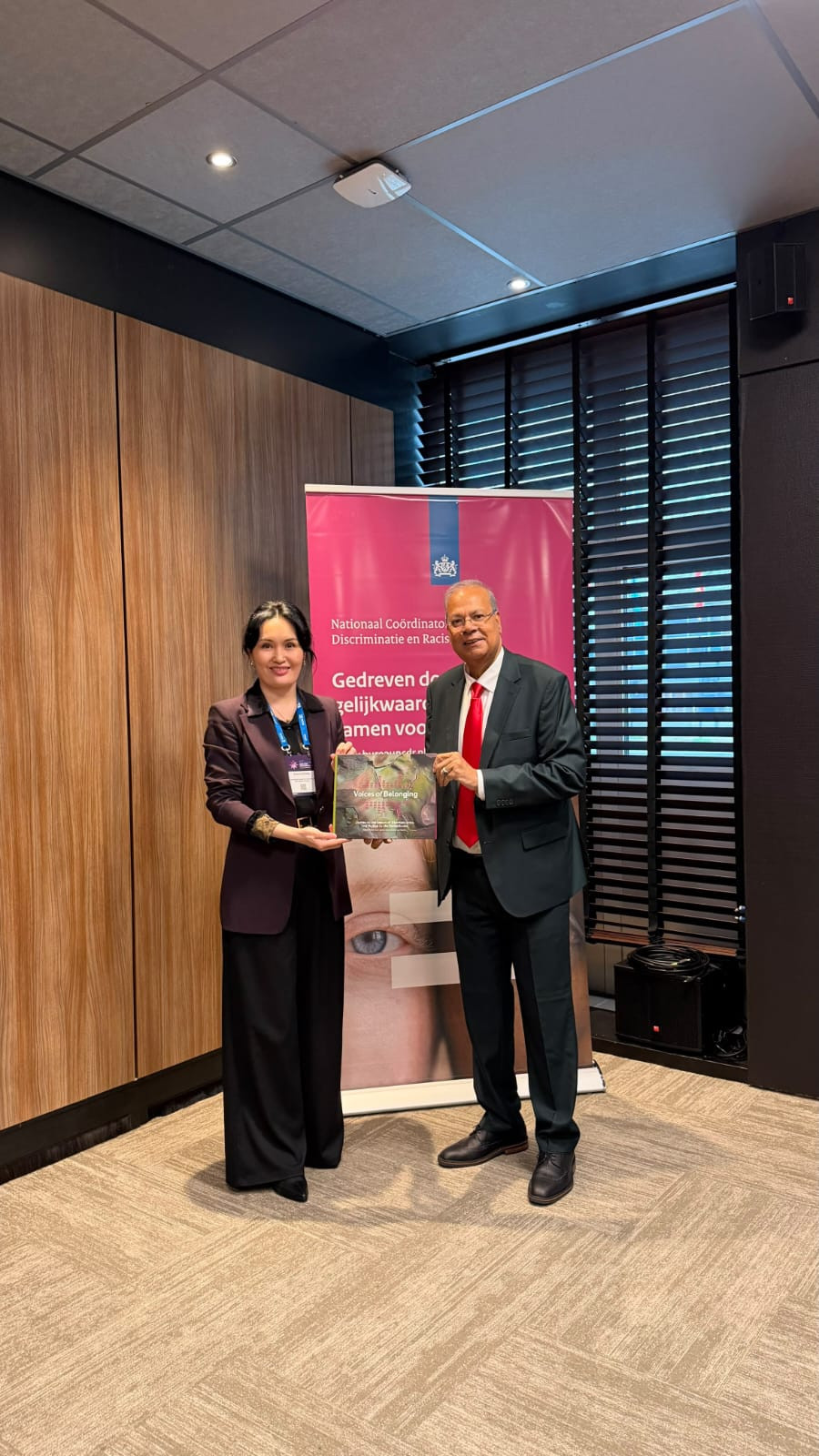
Working contacts and talks on the sidelines were another important outcome. Gulsana Kozhabay discussed prospects for cooperation with Rabin Baldewsingh, the Netherlands’ National Coordinator against Discrimination and Racism, and senior UNESCO representative Denise Pires de Carvalho. The talks focused on potential joint initiatives, closer collaboration among experts and opportunities to bring the Congress’s practical experience into international programs.
The visit also included a working meeting with A. A. Rakhmetullin, Ambassador of Kazakhstan to the Kingdom of the Netherlands.
For the International Center, the forum offered access to a wider network of European and international partners working in human rights, education, intercultural engagement and social cohesion. These relationships complement the Congress’s existing international ties and open further avenues for joint work.
The meetings identified prospects for continued cooperation with UNESCO and European partners, including preparations for the ninth Congress of the Leaders of World and Traditional Religions in 2028. Specific forms of cooperation will be explored in subsequent consultations.
Kazakhstan’s first participation in the UNESCO Global Forum against Racism and Discrimination marked an important step in sharing its experience of dialogue with a new international audience and connecting the Congress’s initiatives with global efforts to overcome social polarization.