International Center Holds International Conference «Dialogue of Religions: From Spiritual Harmony to Joint Action» to Mark Kazakhstan’s Day of Spiritual Concord
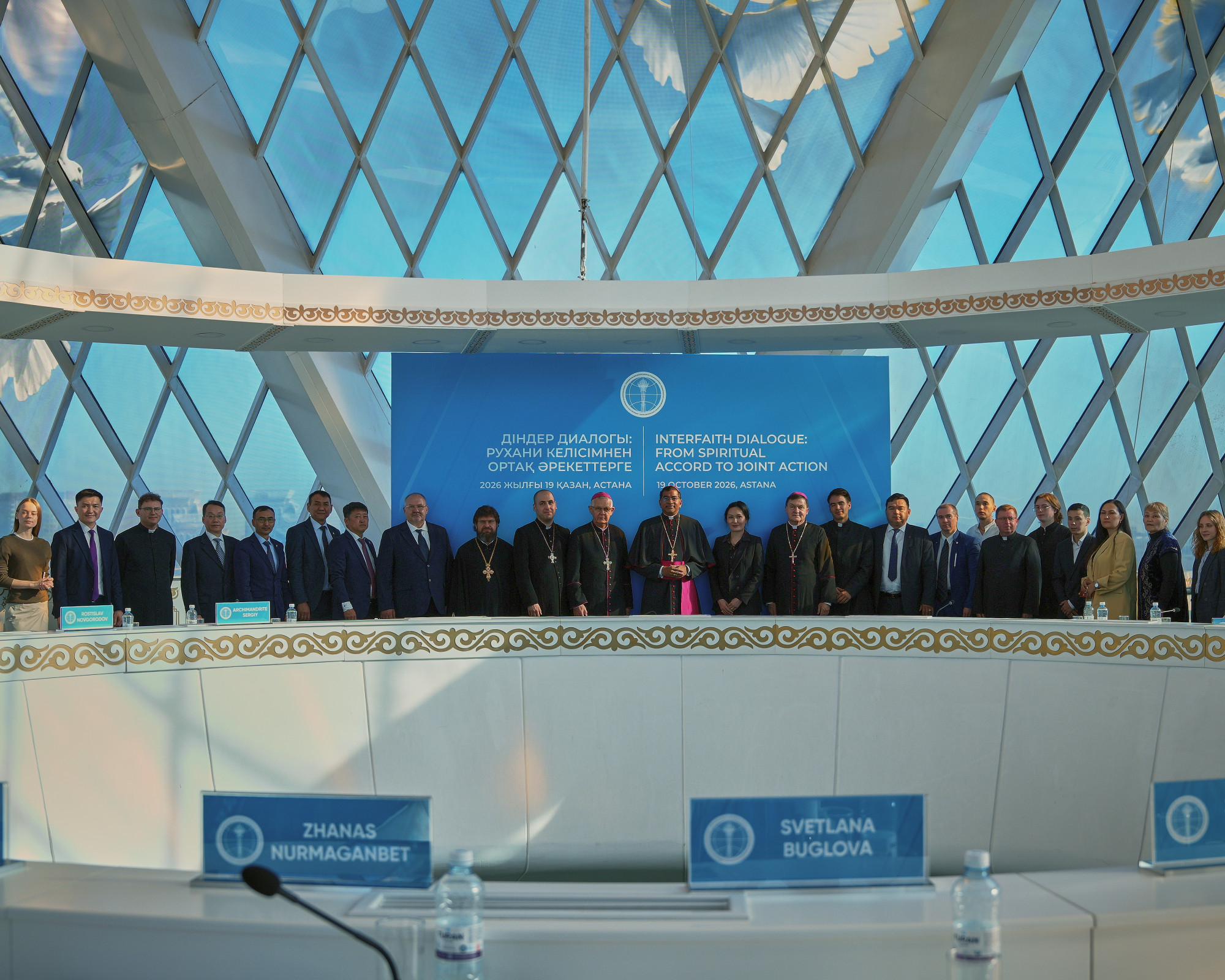
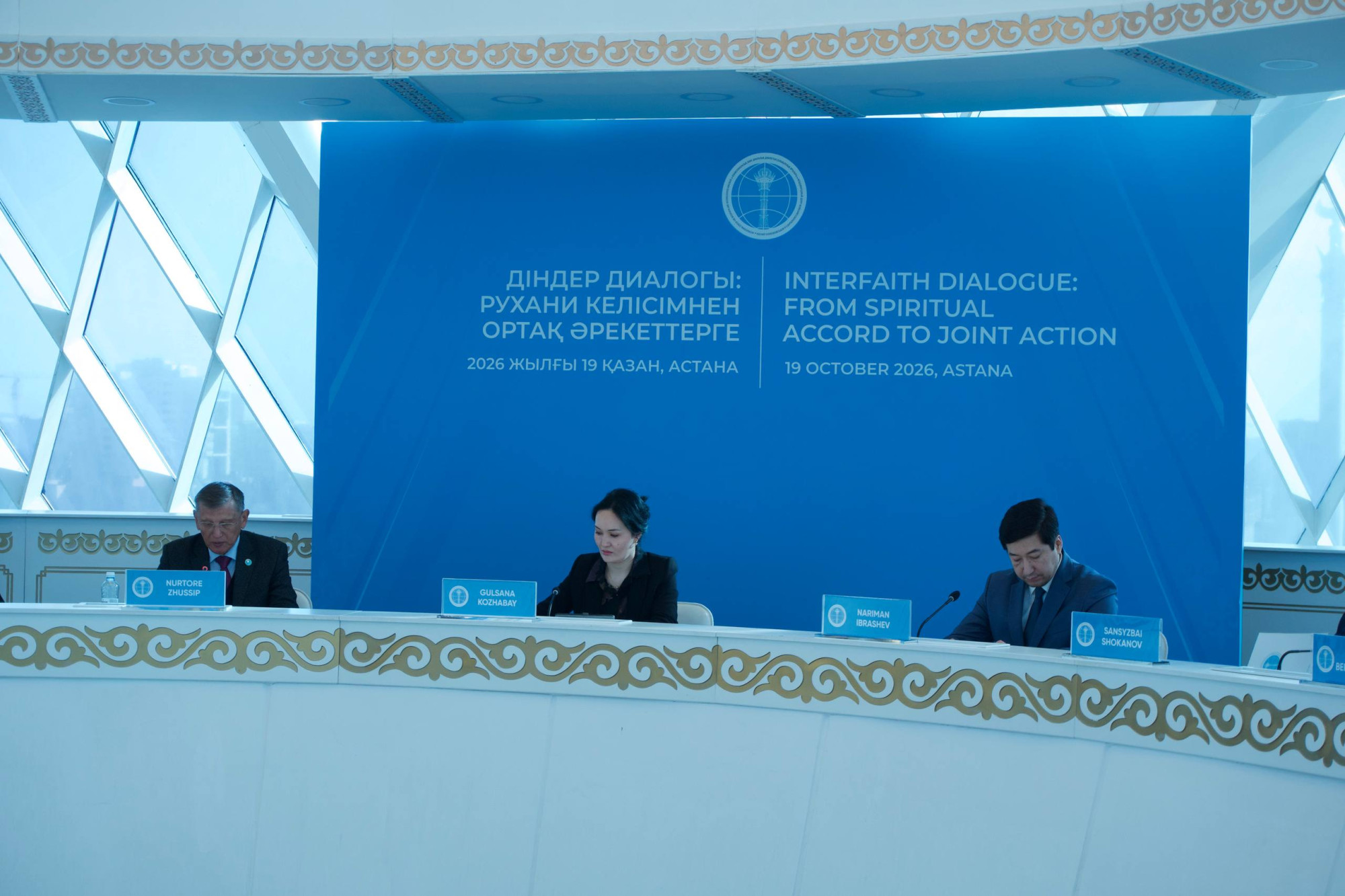
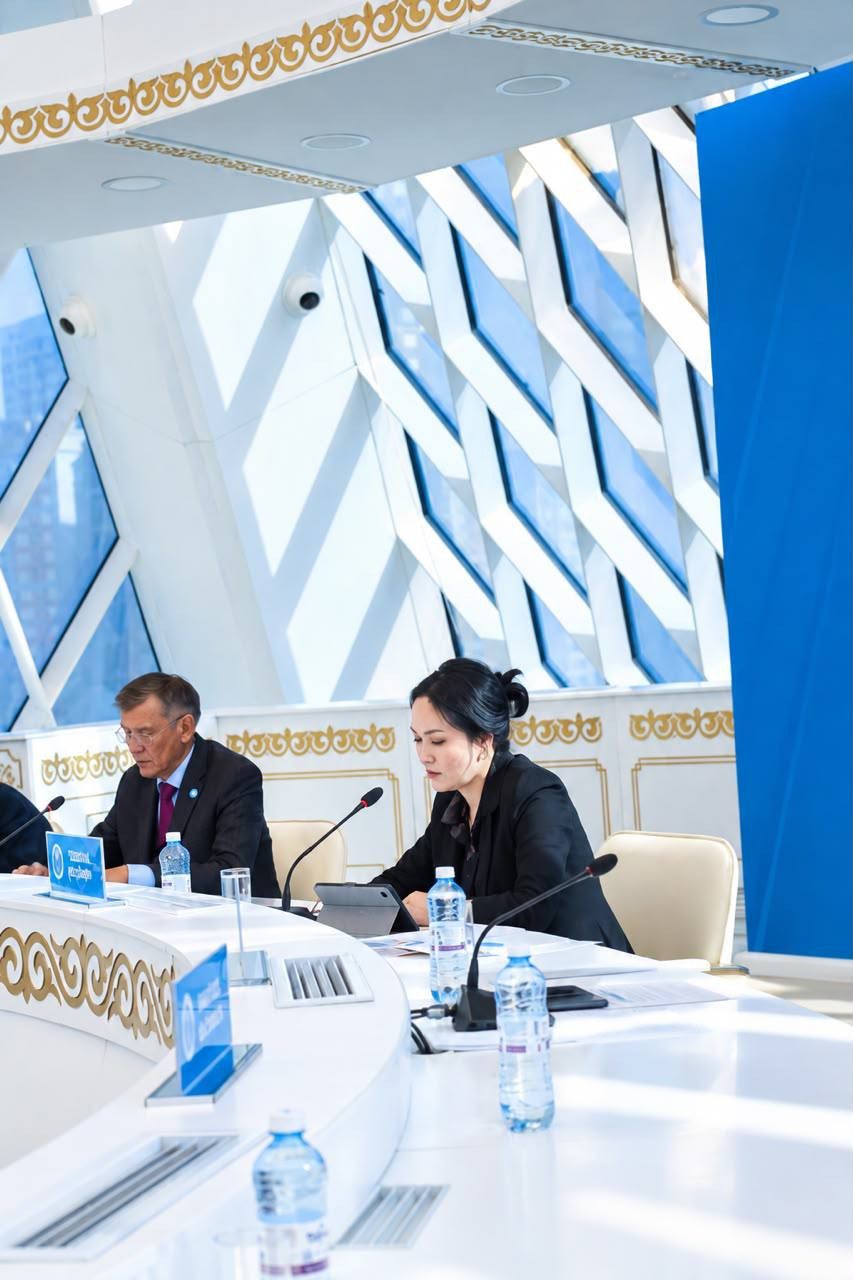
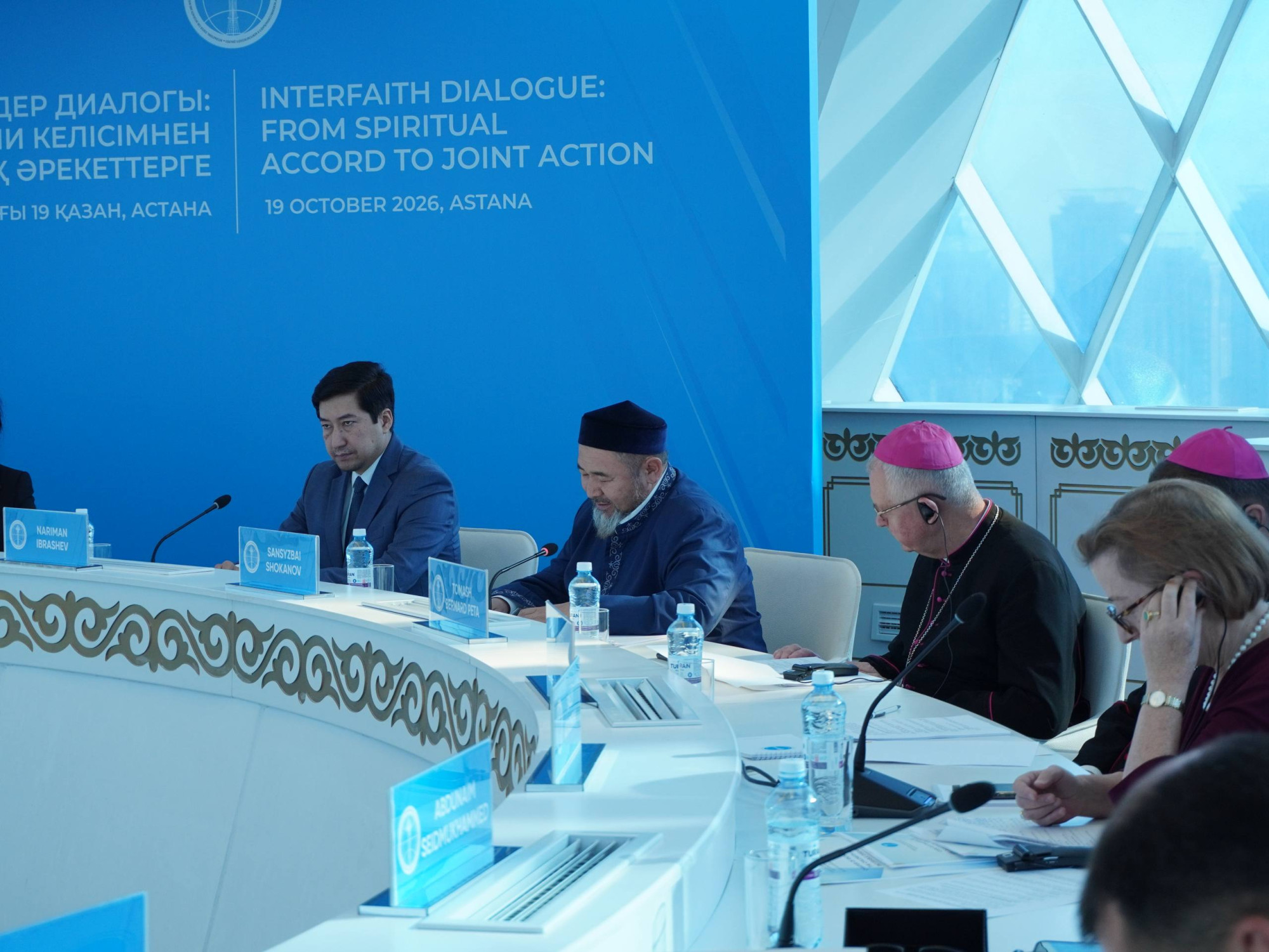
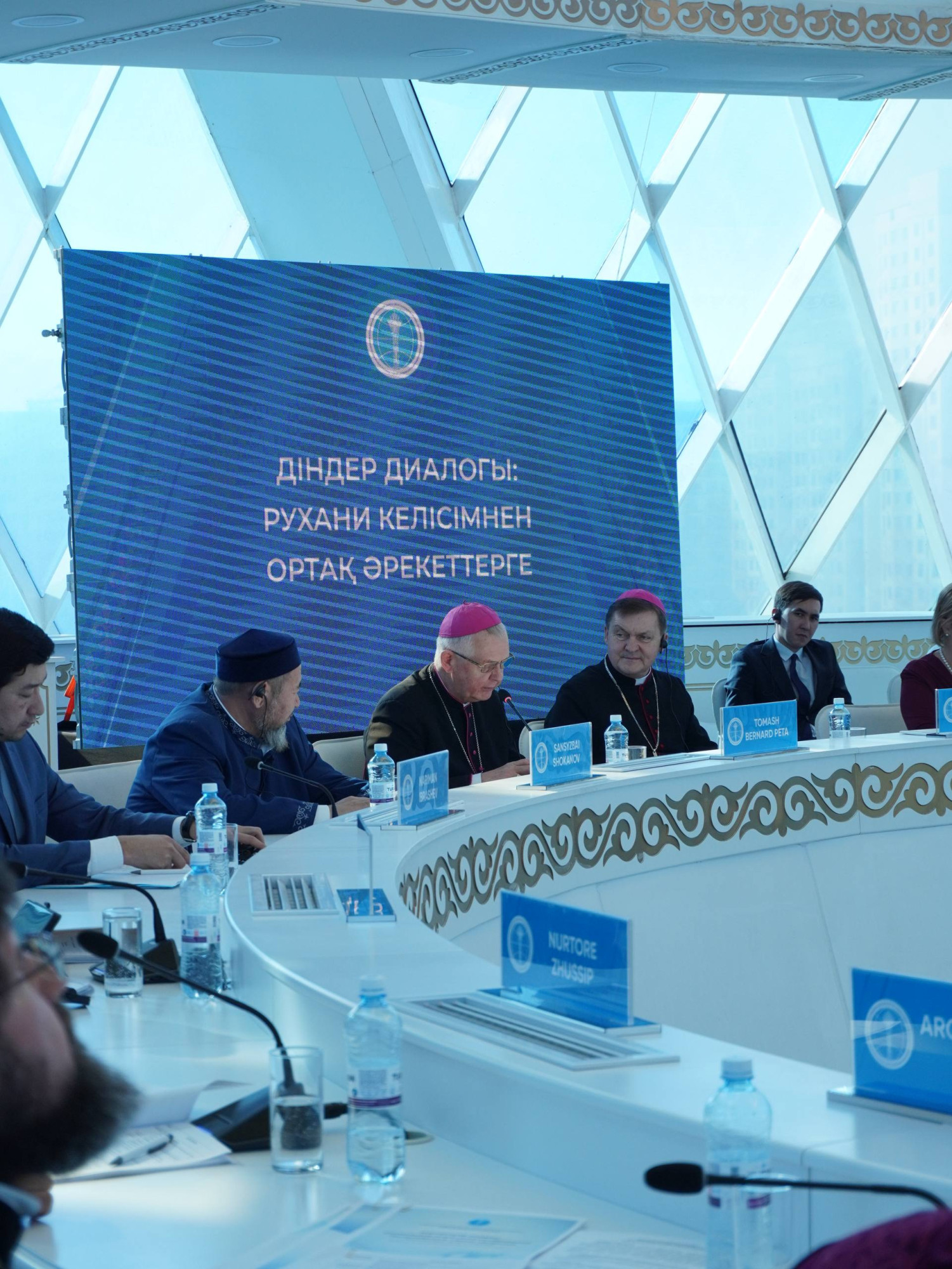
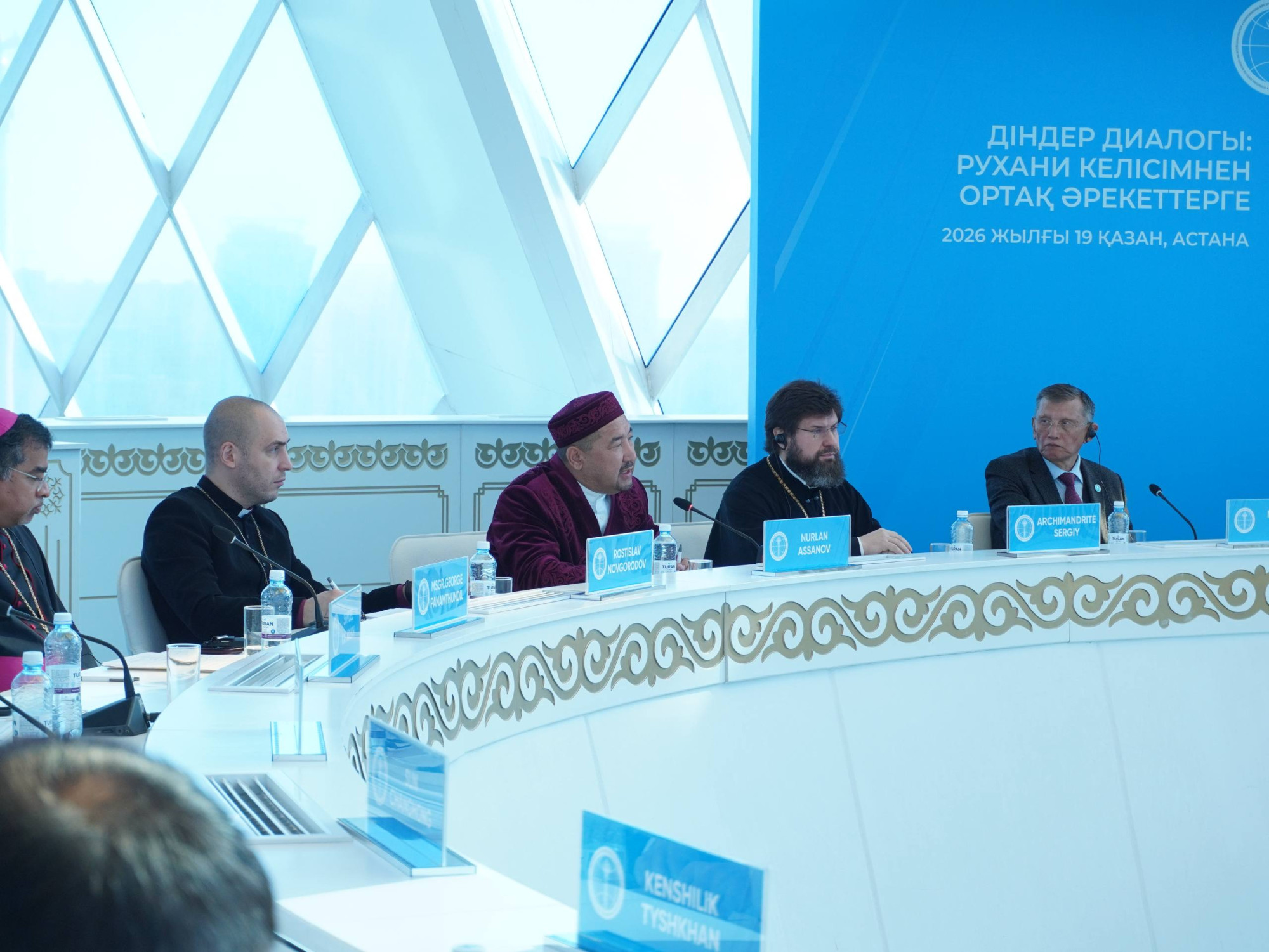
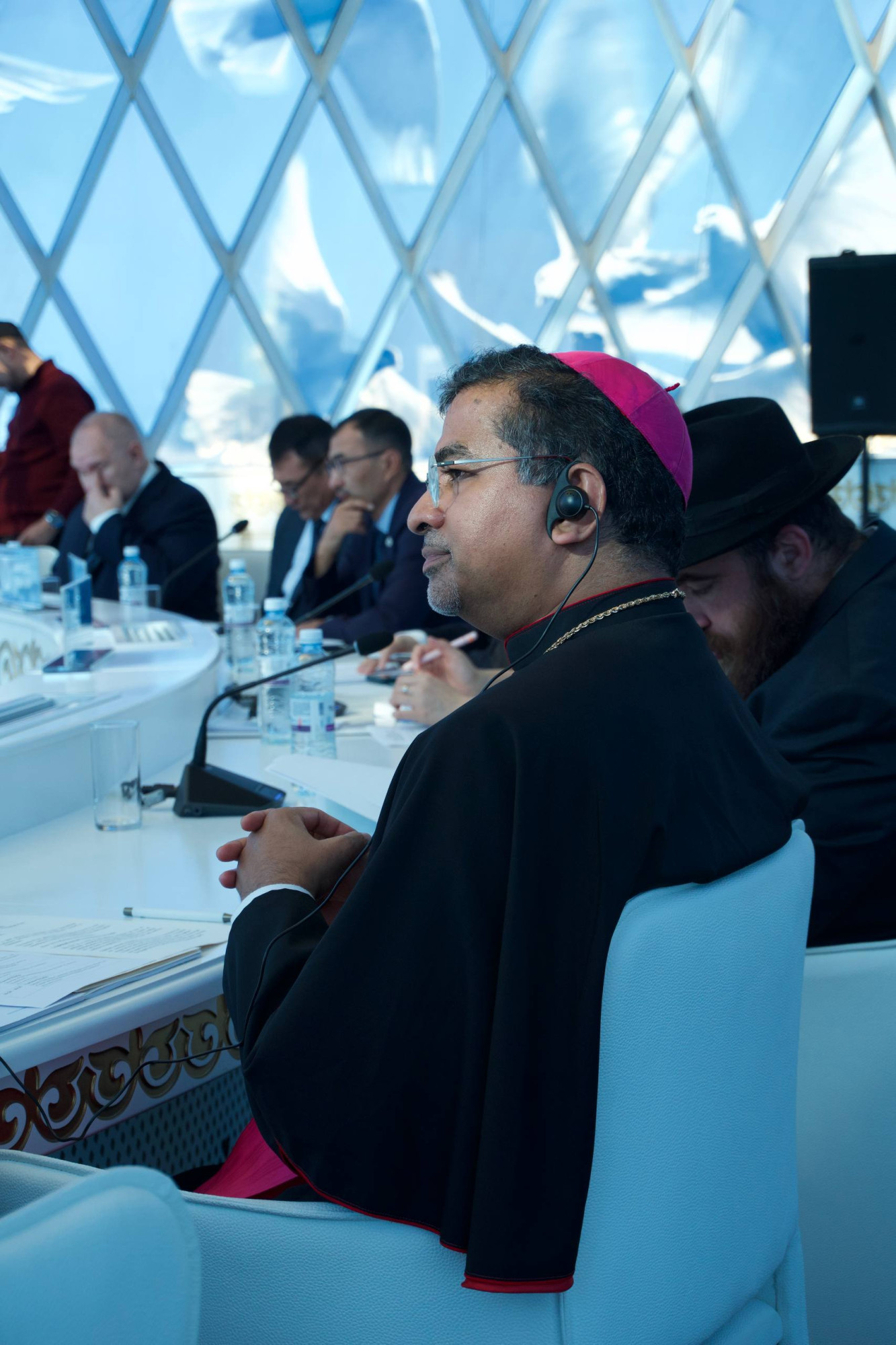
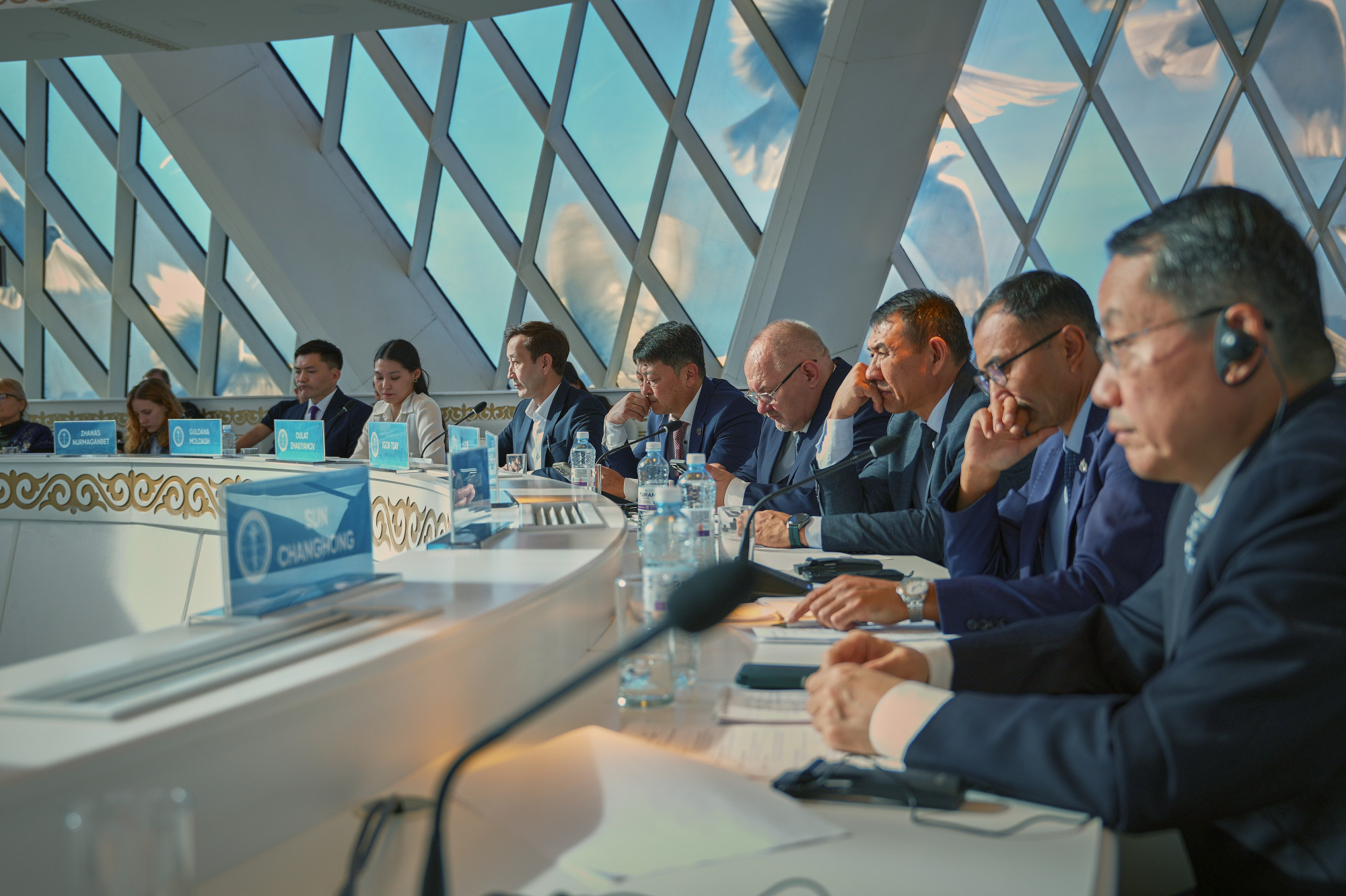
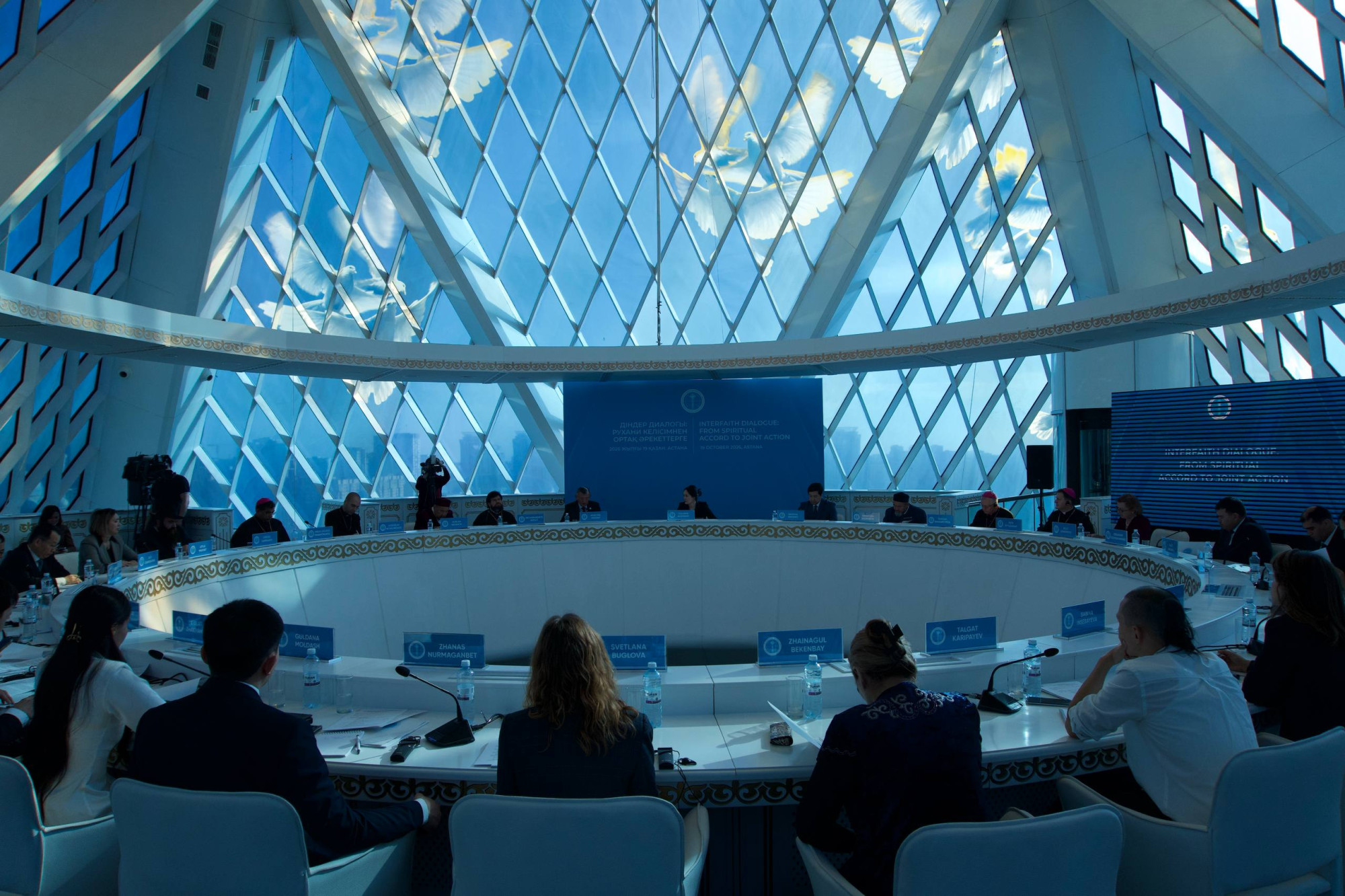
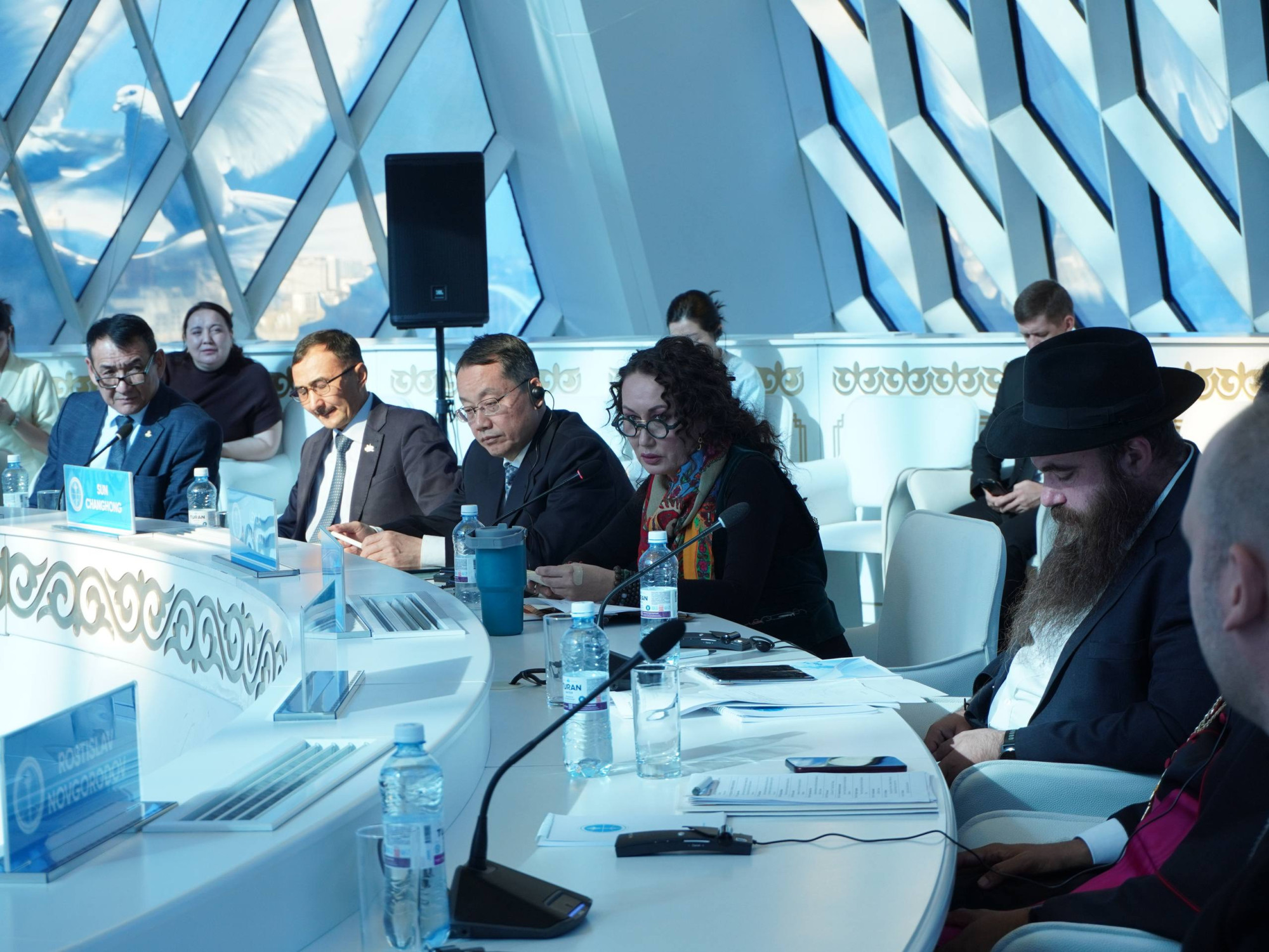
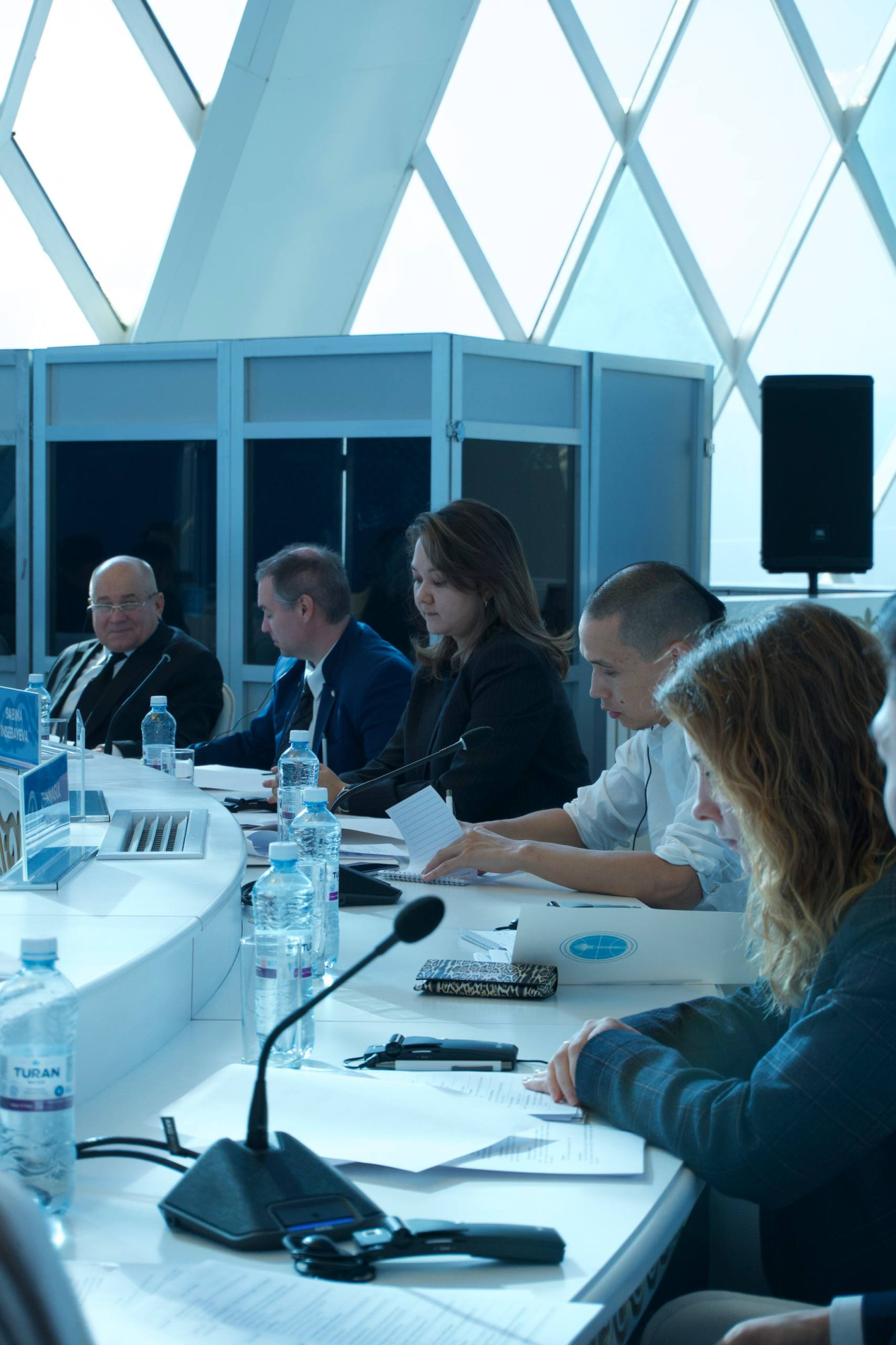
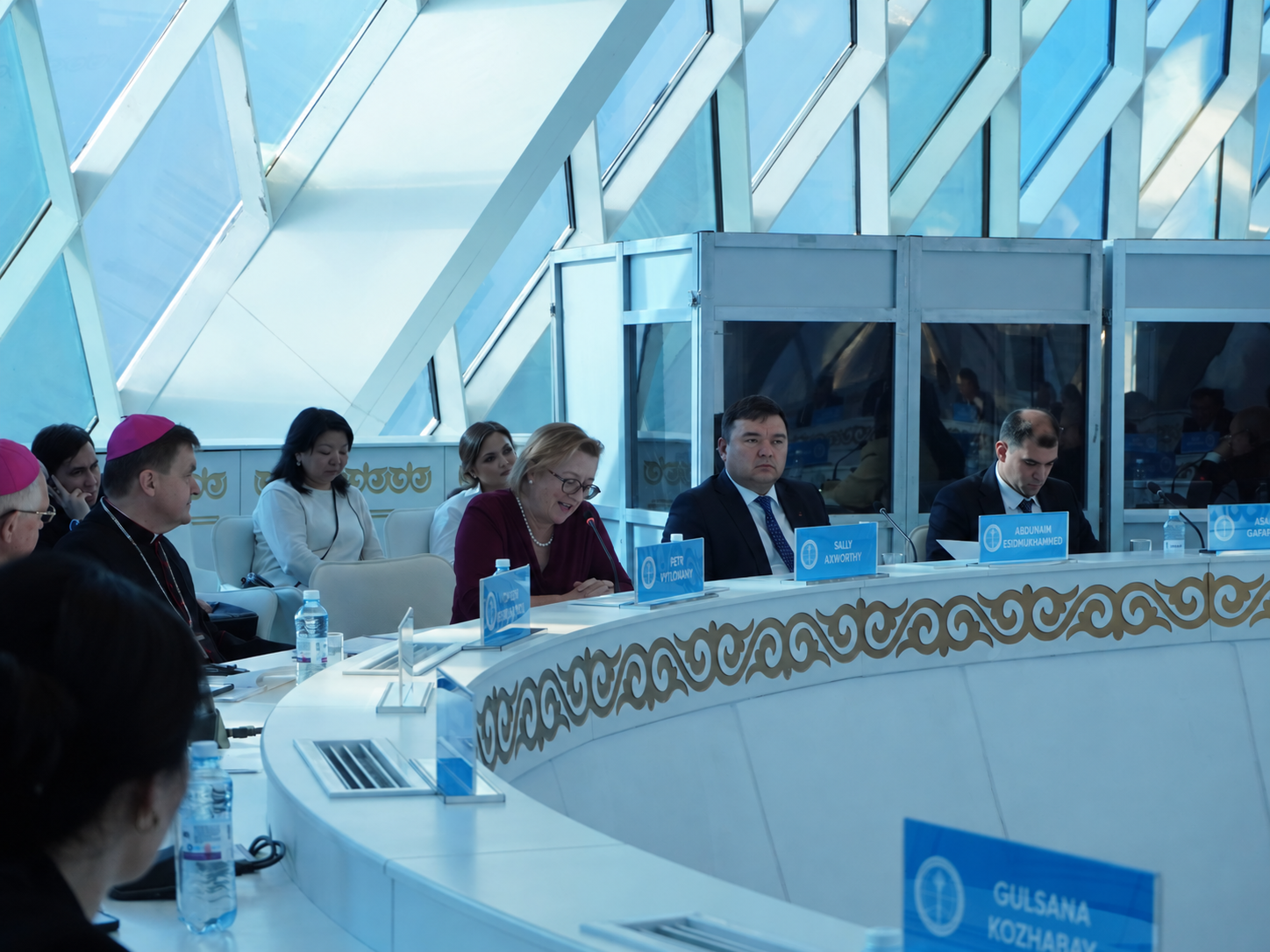
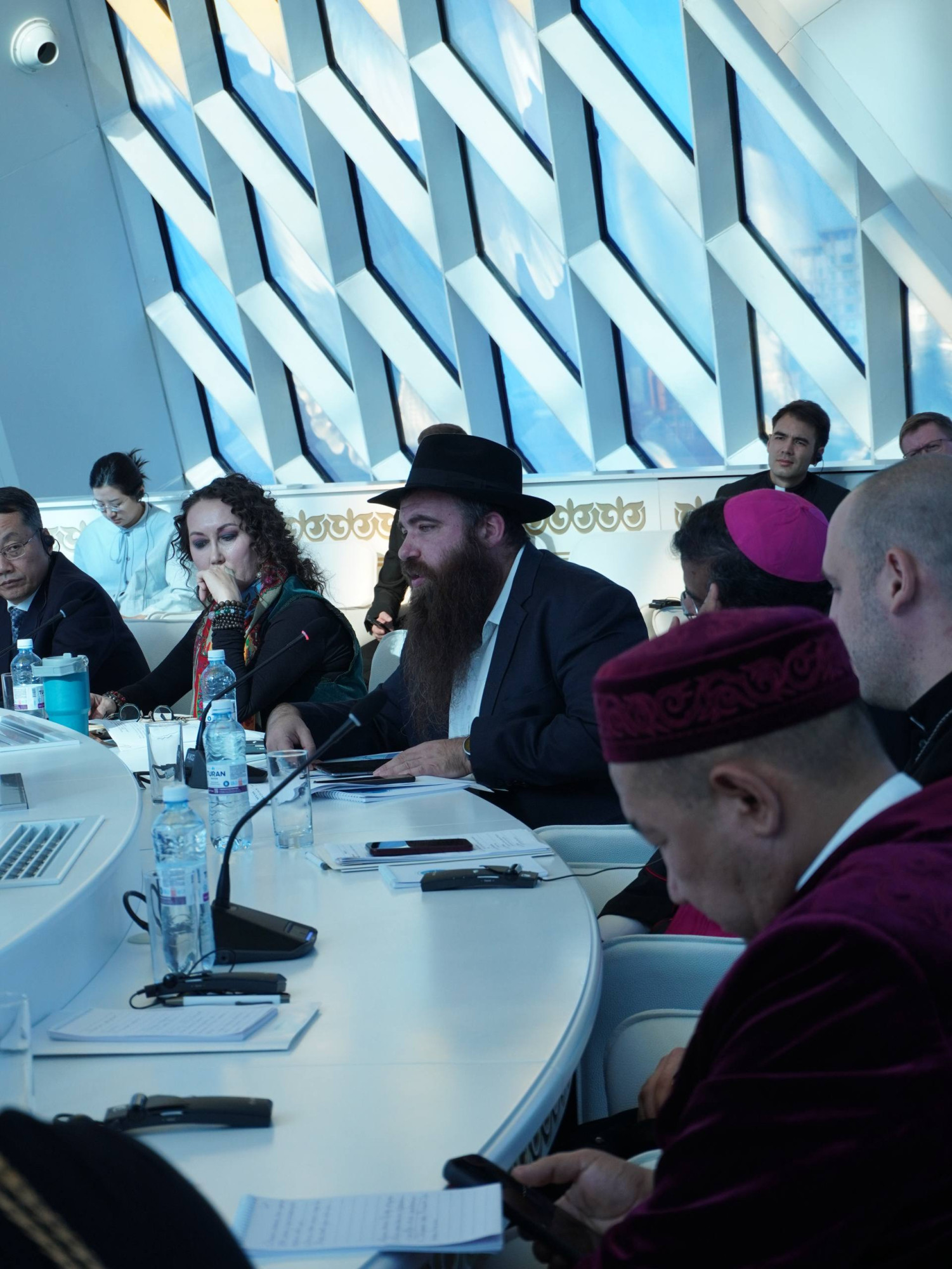
On 19 October 2026, the Palace of Peace and Reconciliation in Astana hosted the international conference «Dialogue of Religions: From Spiritual Harmony to Joint Action,» held to mark Kazakhstan’s Day of Spiritual Concord.
The event was organized by the International Center for Interfaith and Interreligious Dialogue.
The conference brought together representatives of government bodies, deputies of the Kurultai of the Republic of Kazakhstan, the Kazakhstan People’s Council, the diplomatic corps, participants of the Congress of Leaders of World and Traditional Religions and its institutions, international organizations, religious associations, and the academic and expert community.
The conference served not only as a platform for the exchange of views but also as a forum for discussing concrete steps towards the practical implementation of three international documents developed on the instructions of the Head of State, Kassym-Jomart Tokayev, and in furtherance of the Astana Declaration of Peace 2025: «The Role of Religions in Addressing Climate Change,» «The Code of Ethics for the Use of Artificial Intelligence in the Religious Sphere» and «The Charter of the Rights of The Child with An Incurable Disease».
These documents establish new areas for international cooperation in environmental protection, ethical responsibility in the use of artificial intelligence, safeguarding human dignity, and supporting the most vulnerable groups of society.
In her address, Gulsana Kozhabay, Chair of the Board of the International Center for Interfaith and Interreligious Dialogue, emphasized that the next important step should be to unite the efforts of government bodies, religious associations, and international partners to translate the provisions of these documents into practice. As practical measures, Gulsana Kozhabay announced the establishment of expert working groups and the launch of work on a comprehensive roadmap to systematically promote the principles developed in these documents at the international level.
Archimandrite Sergiy Karamyshev, Dean of the Astana Church District of the Orthodox Church of Kazakhstan, expressed his support for the initiatives of the International Center. In particular, he endorsed the Center’s initiative to establish cooperation with relevant universities, environmental organizations, medical institutions, and artificial intelligence platform developers in order to identify concrete steps for the practical implementation of the adopted documents.
Sansyzbay Kurbanuly Shokanov, Deputy Mufti and Head of the Sharia and Fatwa Department of the Spiritual Administration of Muslims of Kazakhstan, placed particular emphasis on the strategic importance of President Kassym-Jomart Tokayev’s well-considered state policy. According to the religious leader, the Head of State’s consistent and constructive policies provide a strong foundation for strengthening global peace and preserving harmony within the country.
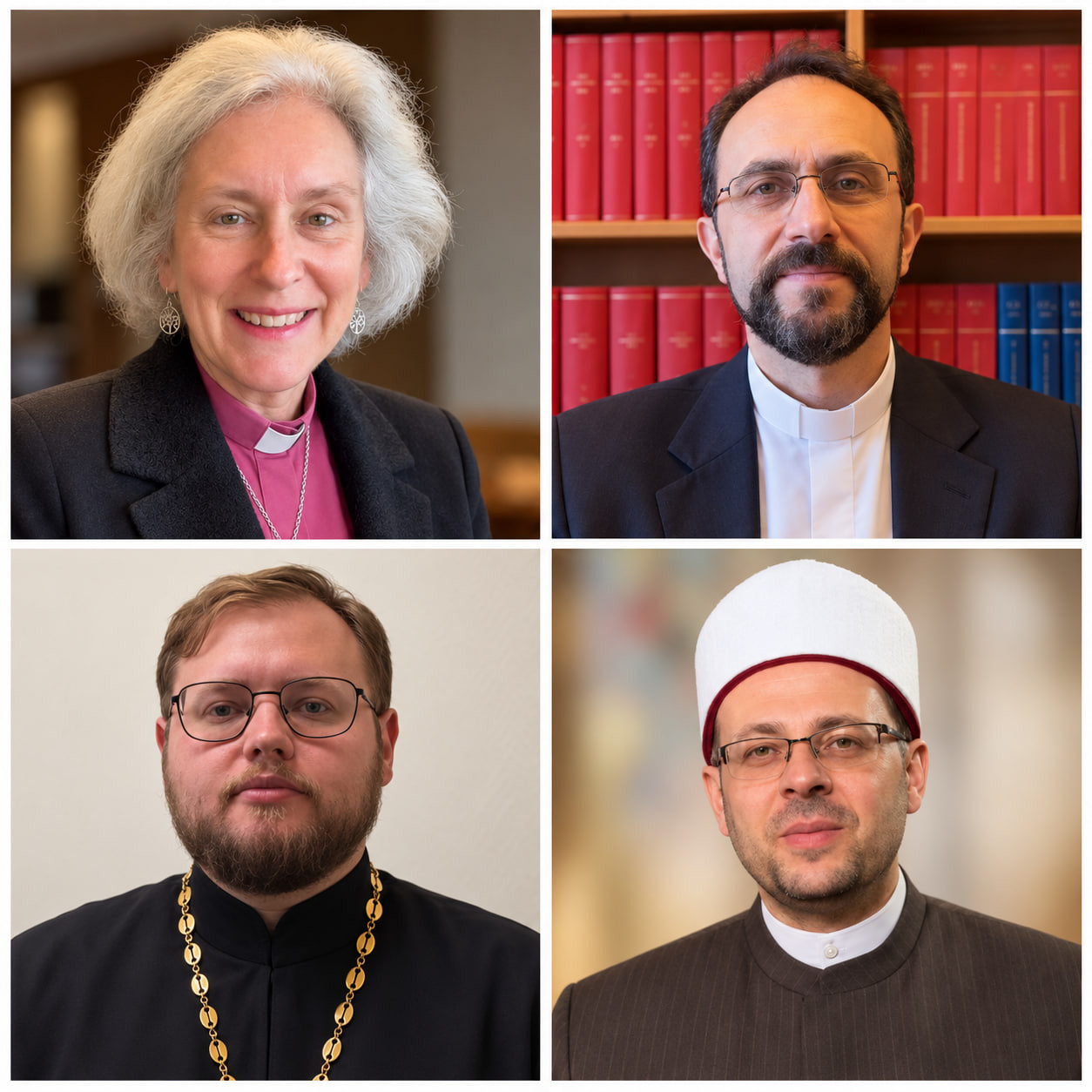
Video greetings to the conference participants were delivered by members of the XXIV Secretariat of the Congress of Leaders of World and Traditional Religions: Joe Bailey Wells, Deputy Secretary General of the Anglican Communion and Bishop for Episcopal Ministry of the Anglican Communion, Dr. Osama Fakhry, Head of the Central Department for Mosques and the Holy Quran at the Ministry of Awqaf of the Arab Republic of Egypt; Laurent Basanese , Head of the Section for Relations with Muslims at the Dicastery for Interreligious Dialogue of the Holy See; and Priest Ilya Kashitsyn, Secretary for Interreligious Relations of the Department for External Church Relations of the Moscow Patriarchate and Executive Secretary of the Interreligious Council of Russia.
Leila Makhat, Professor of the Painting and Sculpture Department at the Kazakh National University of Arts, highlighted the special role of art in shaping moral values and public consciousness. According to her, art reflects a person’s inner world. She also drew attention to the connection between the development of art and the reduction of violence, and called for greater use of art to promote the values of peace and spiritual сoncord.
Congratulating the people of Kazakhstan on the Day of Spiritual Concord, the conference participants described the occasion as a fundamental symbol of national unity. They stressed that mutual respect and peaceful dialogue among cultures and religions remain among Kazakhstan’s greatest assets and are essential to the country’s stability.
Following the discussions, the participants reached a consensus on the need to move decisively from declarations of intent to practical implementation. Four key priorities were identified for the first phase: large-scale public information and awareness campaigns, the launch of joint environmental initiatives, fostering a culture of responsible artificial intelligence adoption and the unwavering protection of the rights of children with incurable diseases.