Initiatives of the Congress of the Leaders of World and Traditional Religions at the Centre of an International Roundtable with UNESCO
From AI Ethics to the Preservation of Sacred Heritage: Participants Discuss New Joint Initiatives
Astana, 20 November 2026.
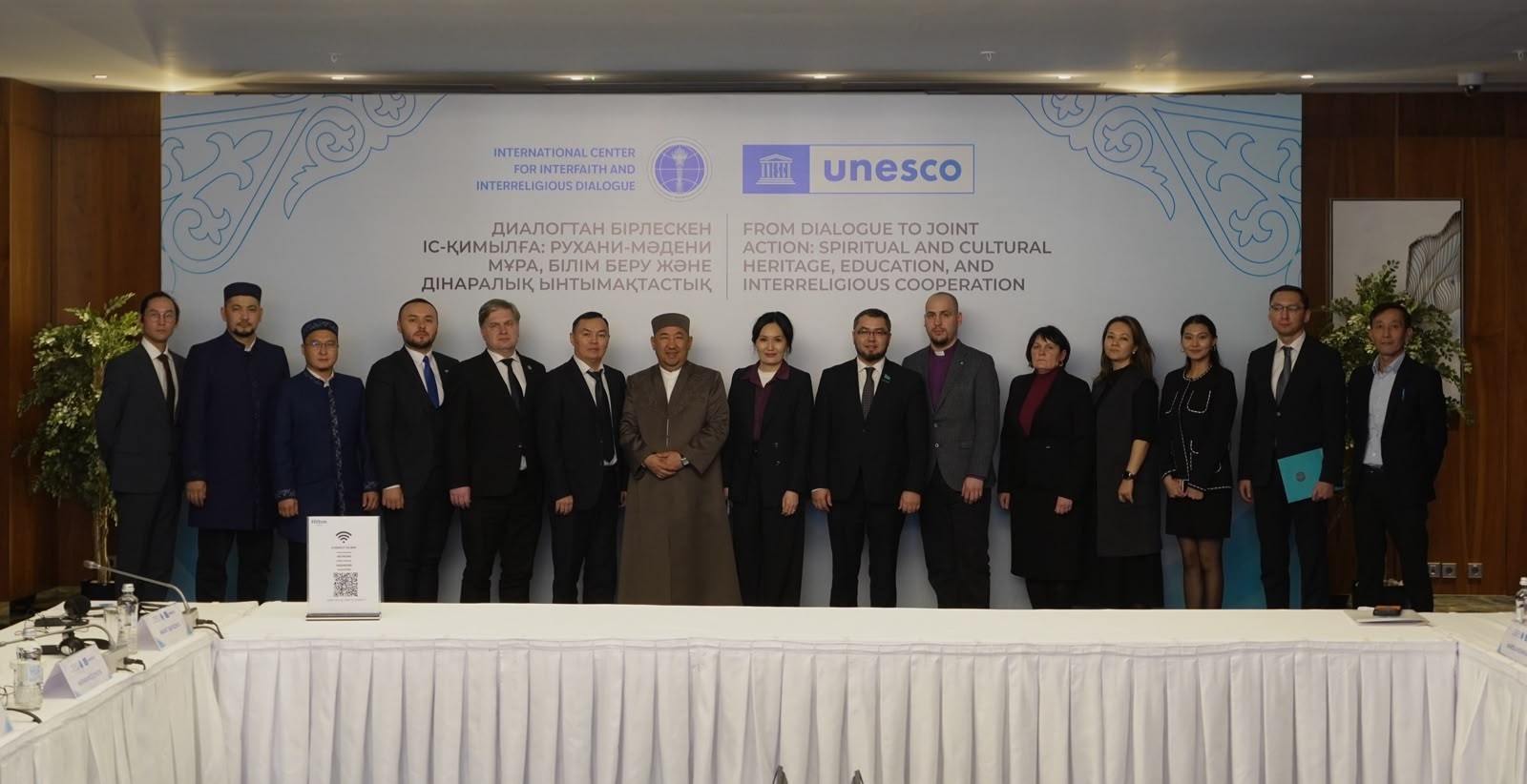
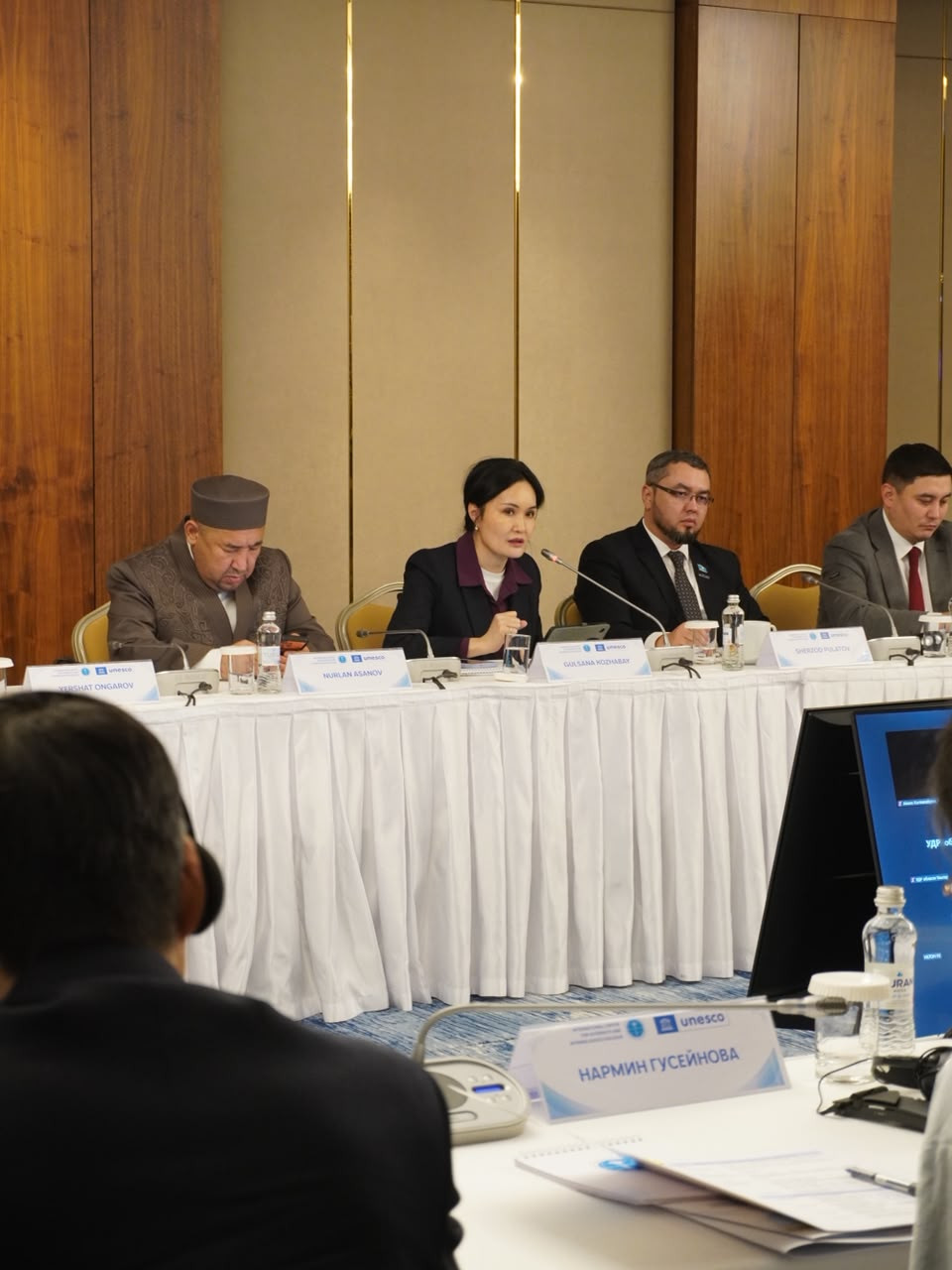
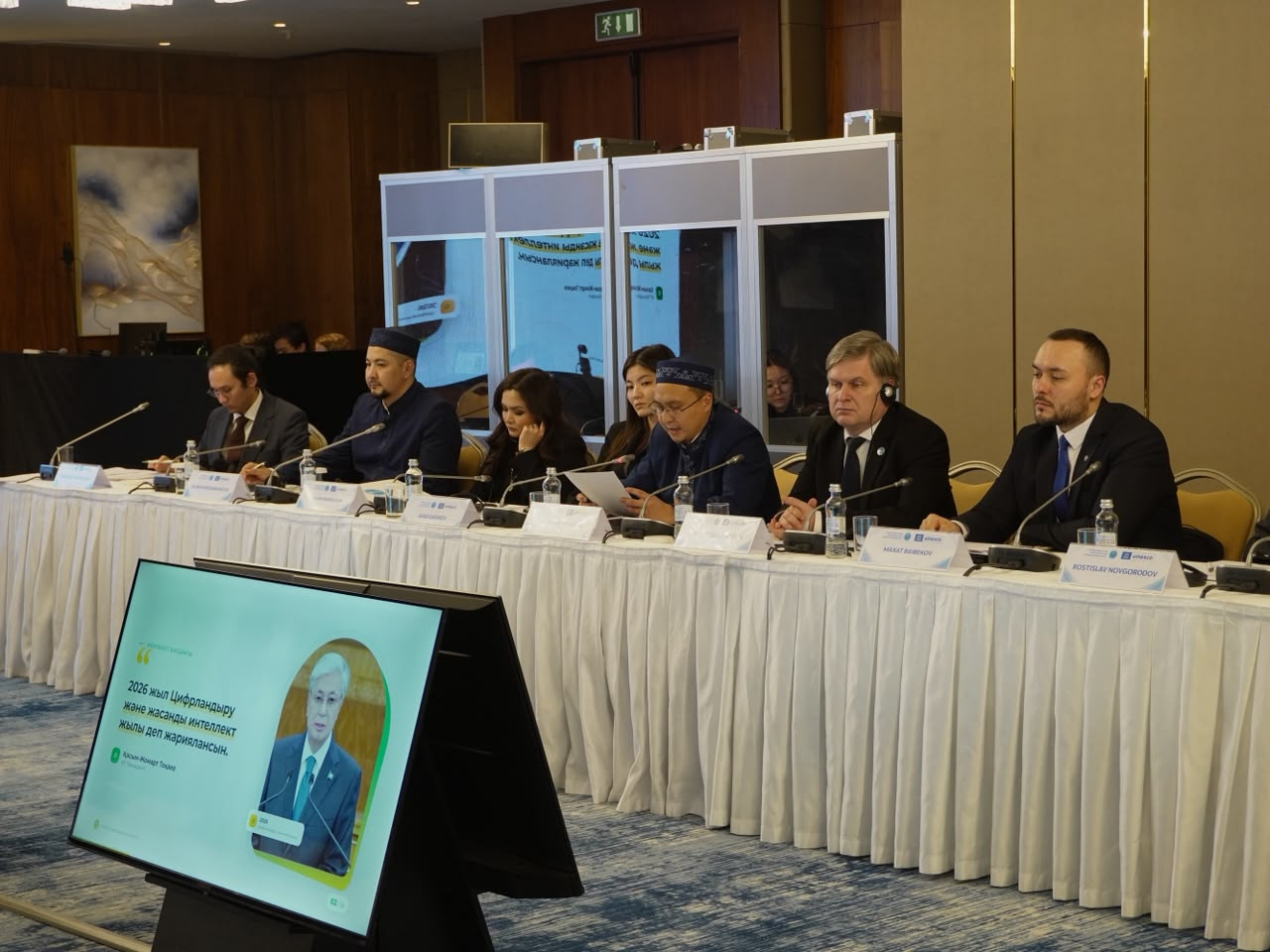
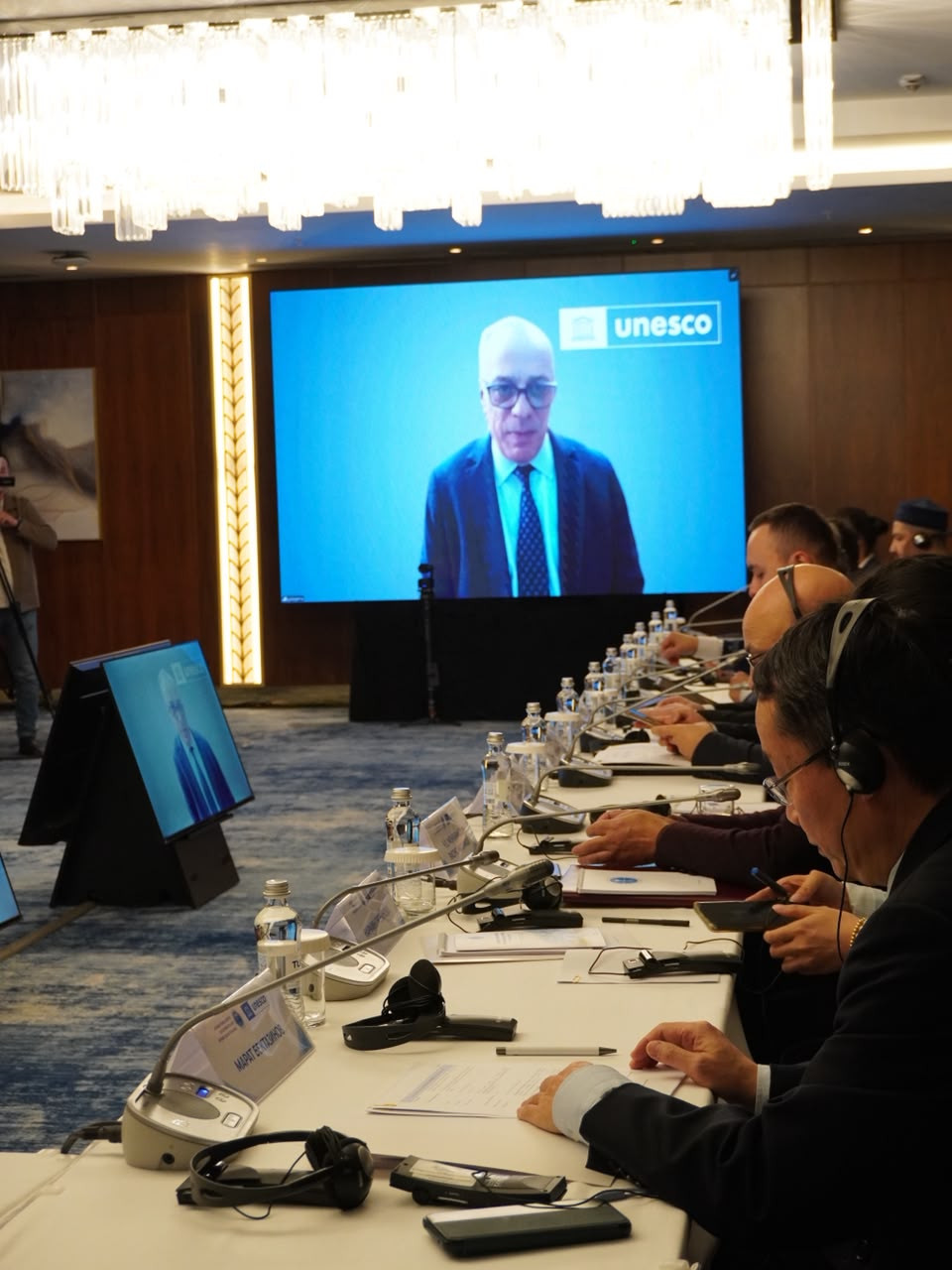
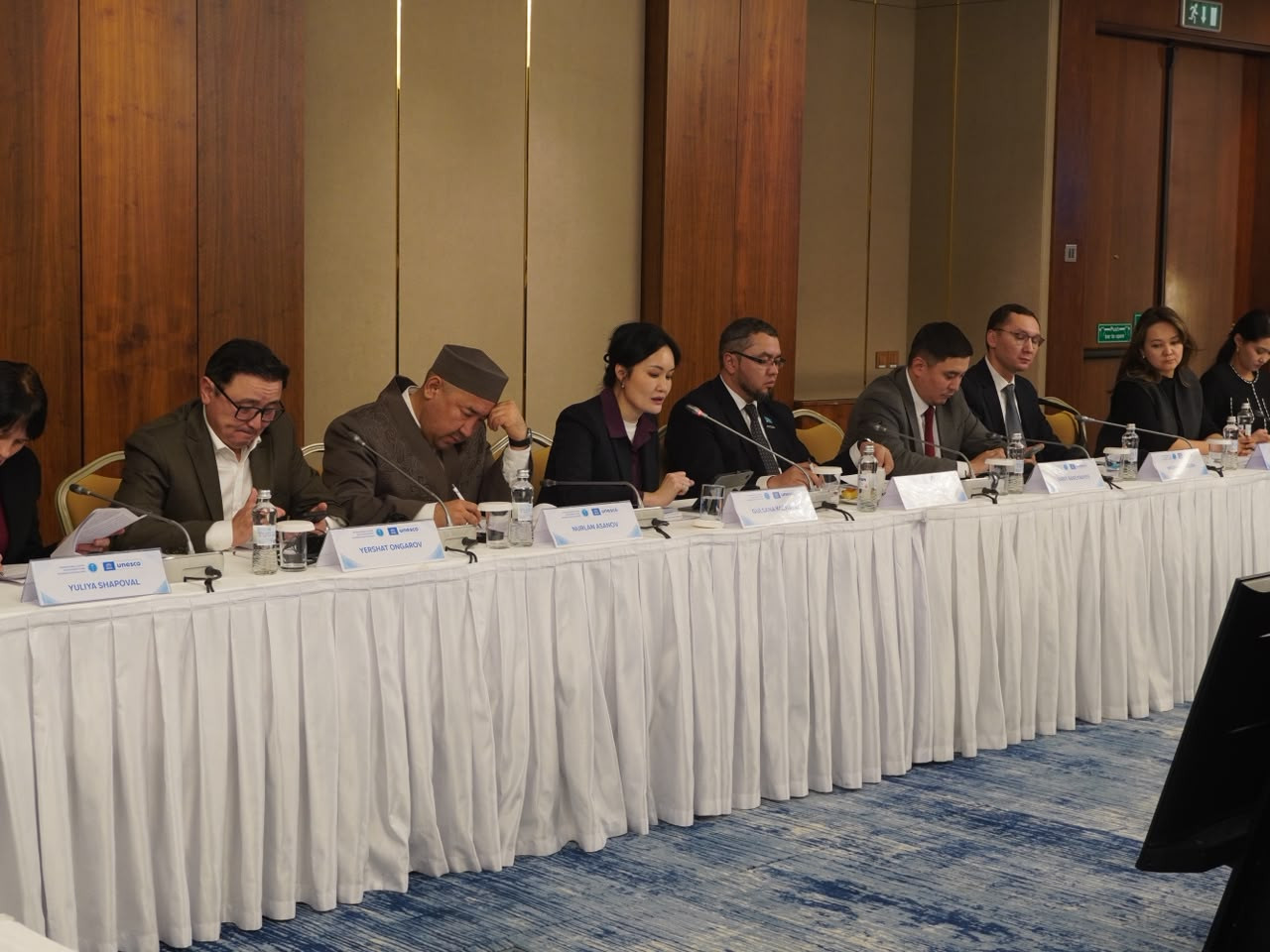
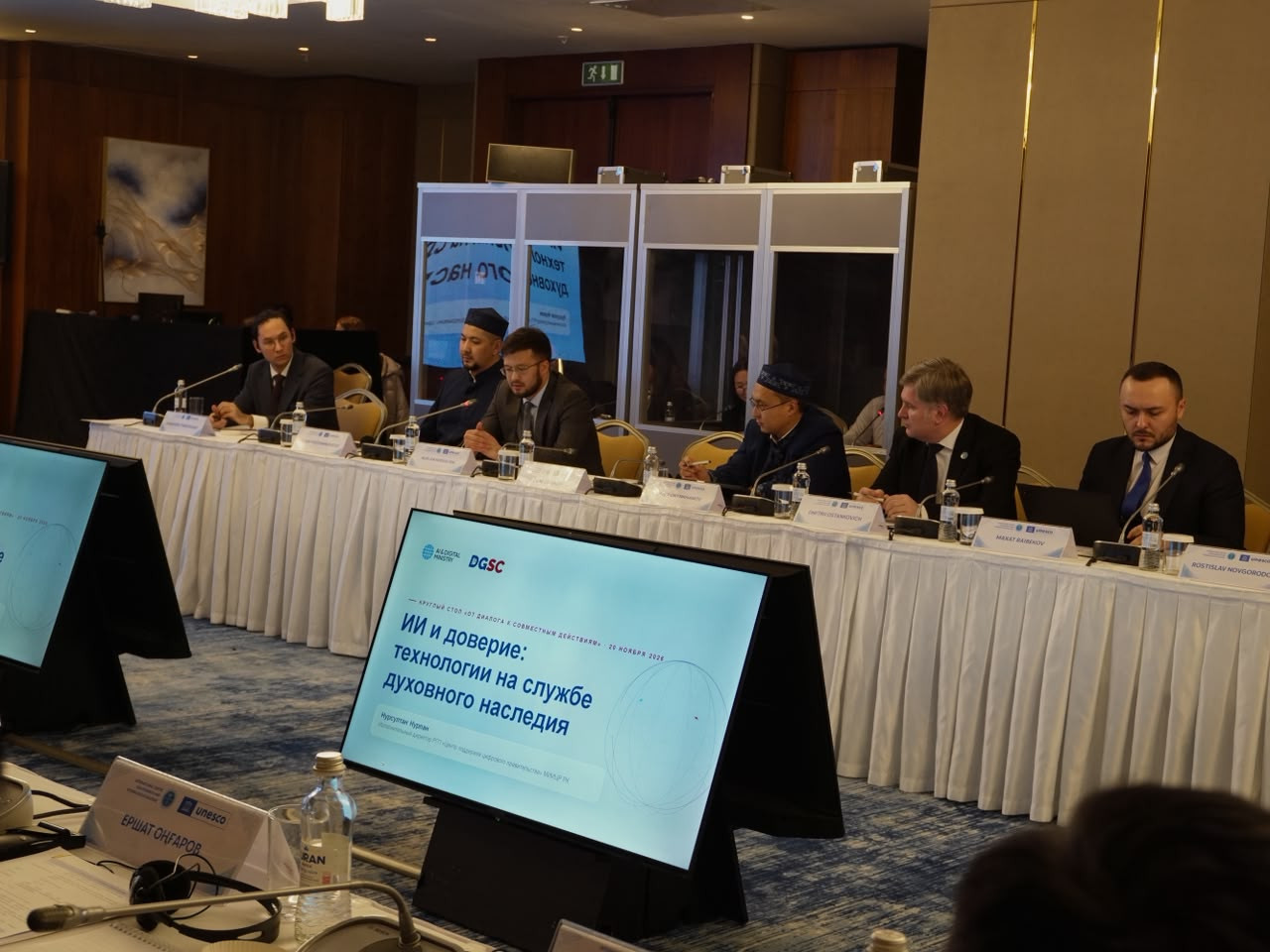
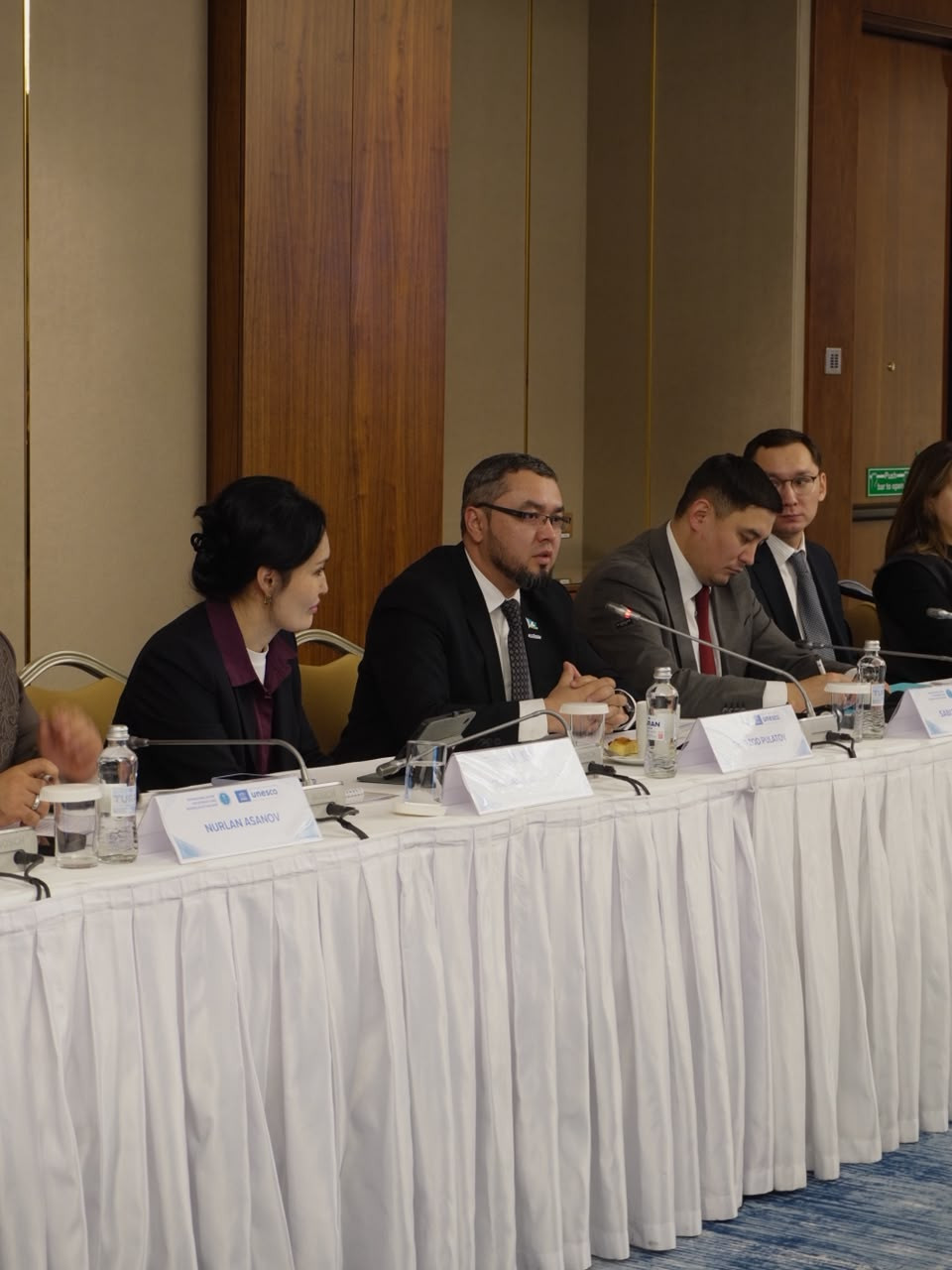
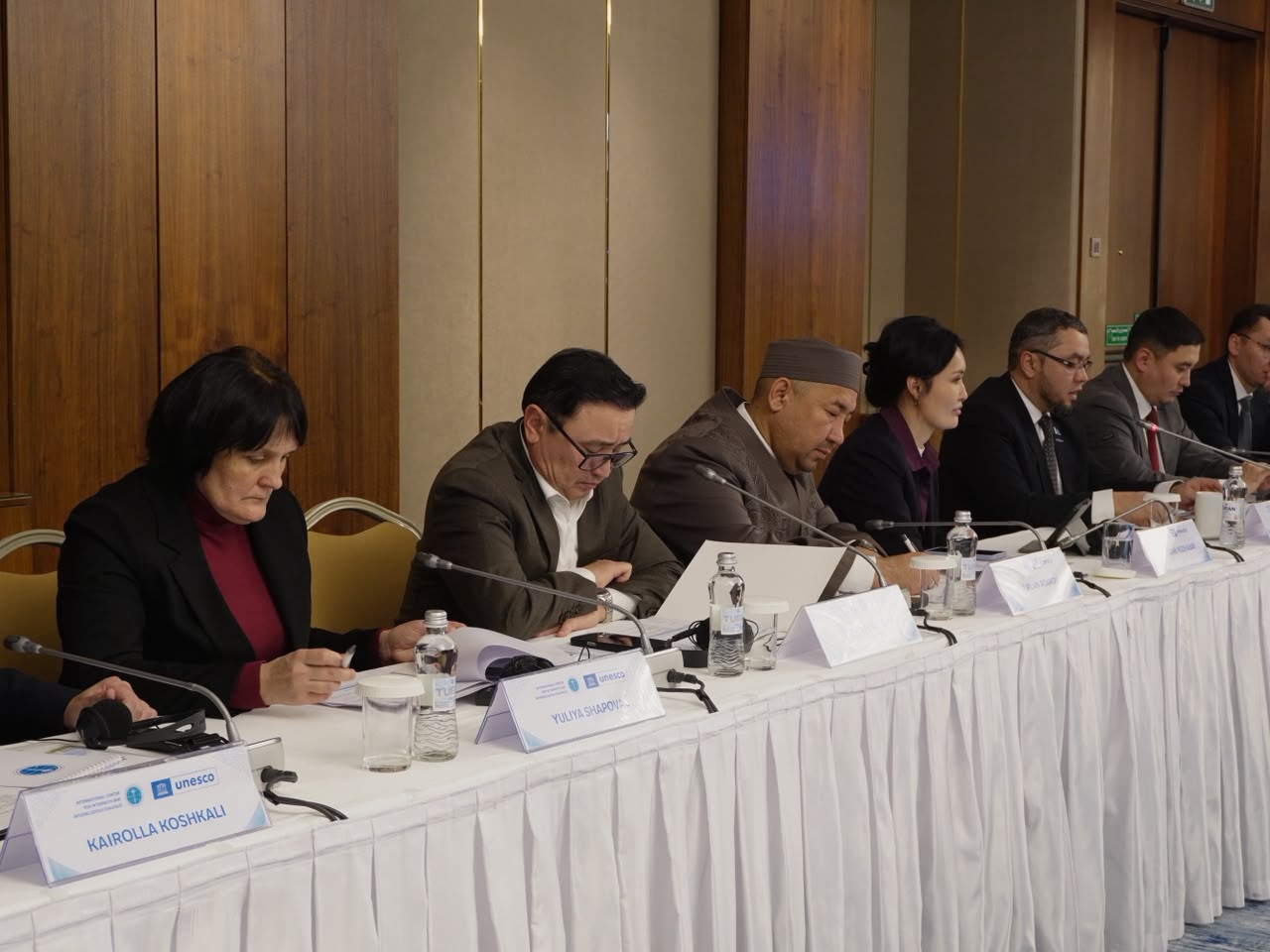
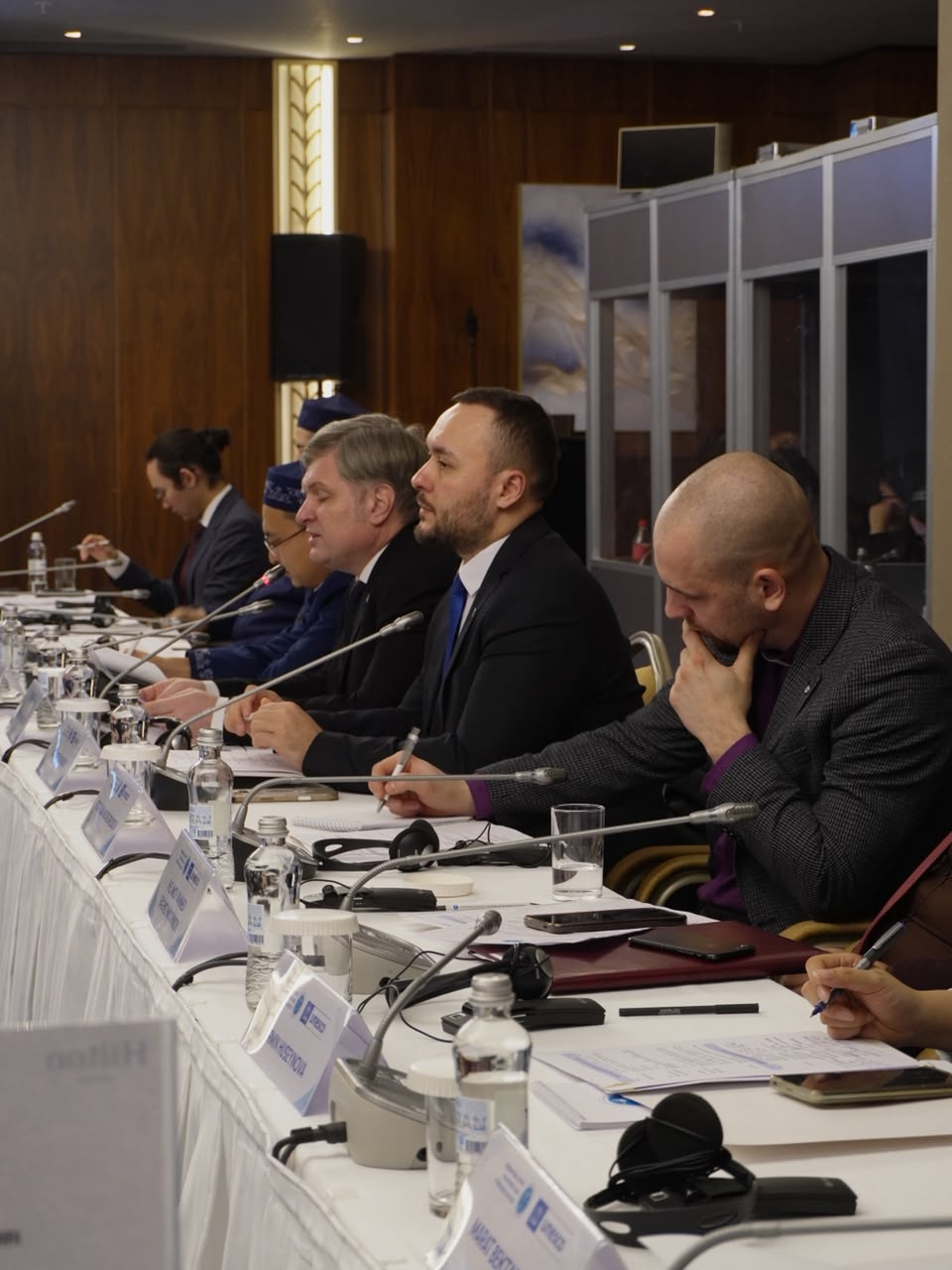
An international roundtable entitled «From Dialogue to Joint Action: Spiritual and Cultural Heritage, Education and Interreligious Cooperation» was held in Astana. The event was jointly organized by the International Center for Interfaith and Interreligious Dialogue and the UNESCO Regional Office in Almaty.
The event brought together representatives of international organizations, government bodies, religious communities, the diplomatic corps, leading universities and the IT sector to discuss practical initiatives in the fields of artificial intelligence, environmental protection and the preservation of spiritual and cultural heritage.
The roundtable was attended by Dr. Amir Piric, Director of the UNESCO Regional Office in Almaty; Gulsana Kozhabay, Chair of the Board of the International Center; Shеrzod Pulatov, Member of the Kurultai of the Republic of Kazakhstan; Dmitry Ostankovich, Deputy Chair of the Kazakhstan People's Council, as well as representatives of the Ministry of Culture and Information, religious associations, regional departments for religious affairs, and the academic and expert communities.
The central focus of the meeting was the transition from international interreligious dialogue to joint projects aimed at addressing pressing societal challenges.
Participants explored opportunities for the practical implementation of the initiatives of the President of Kazakhstan, Kassym-Jomart Tokayev, and the provisions of the Astana Peace Declaration 2025, adopted following the VIII Congress of the Leaders of World and Traditional Religions.
Particular attention was paid to two international documents — the «Code of Ethics for the Use of Artificial Intelligence in the Religious Sphere» and «The Role of Religions in Addressing Climate Change», adopted on 7 October 2026 at the 24th Meeting of the Congress Secretariat, chaired by Erlan Karin, Vice-President of the Republic of Kazakhstan. Participants also discussed prospects for advancing the joint humanitarian initiative of Kazakhstan and the Holy See — the «Charter on the Rights of a Child with an Incurable Disease. »
Addressing the participants, Gulsana Kozhabay, Chair of the Board of the International Center, presented the Center's new areas of activity and outlined priorities for further international cooperation.
The key objective is to develop the Congress not only as an authoritative international platform for dialogue, but also as an institution that brings partners together around concrete projects of public significance.
In this context, cooperation with UNESCO opens up opportunities to combine international expertise in education, science and culture with the potential of religious communities and the Congress's expert platforms.
One of the central topics of the discussion was the responsible use of artificial intelligence in the religious sphere.
Representatives of religious communities, digital technology specialists and experts discussed the risks associated with the spread of misinformation, digital manipulation and AI-generated content, as well as ways to improve digital literacy among religious leaders and young people.
Dr. Amir Piric, Director of the UNESCO Regional Office in Almaty, emphasized the practical significance of the discussion:
«The UNESCO Regional Office helps translate ethical principles into practice through education and public policy. Today's discussion is an opportunity to hear what these principles mean to people working in different communities. »
Among the promising areas of cooperation discussed was the development of joint educational and awareness-raising initiatives on the responsible use of artificial intelligence, taking into account UNESCO's ethical approaches and the provisions of the Congress's Code of Ethics.
The presentation of the International Online Centre for Spiritual Knowledge, launched in 2026 in furtherance of the Astana Peace Declaration 2025 and pursuant to the instruction of the Head of State, attracted considerable interest among participants.
One of its key development areas is the Interactive Sacred Map of Kazakhstan, designed to bring together reliable information about the country's historical and religious sites within a unified digital educational space.
The project aims not only to provide digital representations of these sites, but also to preserve the history of religious communities, local traditions and spiritual and cultural heritage for future generations.
Shеrzod Pulatov, Member of the Kurultai of the Republic of Kazakhstan, highlighted the importance of social cohesion and joint constructive efforts, recalling President Kassym-Jomart Tokayev's emphasis on the role of national unity in achieving the country's strategic goals.
As a practical area of cooperation, he proposed drawing on UNESCO's experience to develop joint volunteer programmes dedicated to preserving historical and cultural heritage and protecting the natural environment.
Representatives of regional departments for religious affairs expressed their readiness to contribute to the development of the Sacred Map by assisting in the collection and verification of information on religious sites and historical monuments.
Nurlan Asanov, Chief Imam of the Yryskeldi Kazhy Mosque in Astana, emphasized the importance of mutual respect and good-neighbourly relations as the foundation of interreligious harmony. According to him, regardless of religious affiliation, everyone should be united by one common goal — serving the people. This shared purpose can bring together representatives of different religions in their pursuit of peace, harmony and societal well-being.
New ideas were also put forward by the academic community. Sabina Insebaeva, Assistant Professor at Nazarbayev University, proposed launching a dedicated video project featuring representatives of the older generation, aimed at preserving living memory, passing on spiritual traditions and engaging young people in exploring their cultural heritage.
Another area of discussion was interfaith environmental volunteering.
Participants explored opportunities to combine the educational experience of religious communities, UNESCO's international approaches to environmental education and public initiatives, including «Taza Qazakhstan».
Particular interest was expressed in the idea of engaging young people from different religious communities in joint projects focused on exploring and preserving sacred sites and their surrounding natural areas.
This approach would make it possible to address several objectives simultaneously: raising environmental awareness, preserving cultural heritage and strengthening interreligious understanding.
Following an in-depth discussion, participants identified promising areas for further joint efforts, including educational programmes on AI ethics, expert support for the Sacred Map of Kazakhstan, digital educational and awareness-raising projects, and environmental and youth volunteer initiatives.
The International Center and the UNESCO Regional Office in Almaty will continue consultations with interested partners on these proposals in order to determine specific formats for future cooperation.
The roundtable marked an important step towards establishing a systematic partnership between the International Center and UNESCO, aimed at translating the initiatives of the Congress of the Leaders of World and Traditional Religions into practical action.
The key outcome of the meeting was the readiness of representatives of international organizations, religious communities, academia, the technology sector and government institutions to join forces in turning shared ideas into concrete projects.