XXIV Meeting of the Congress Secretariat: from dialogue to practical international initiatives
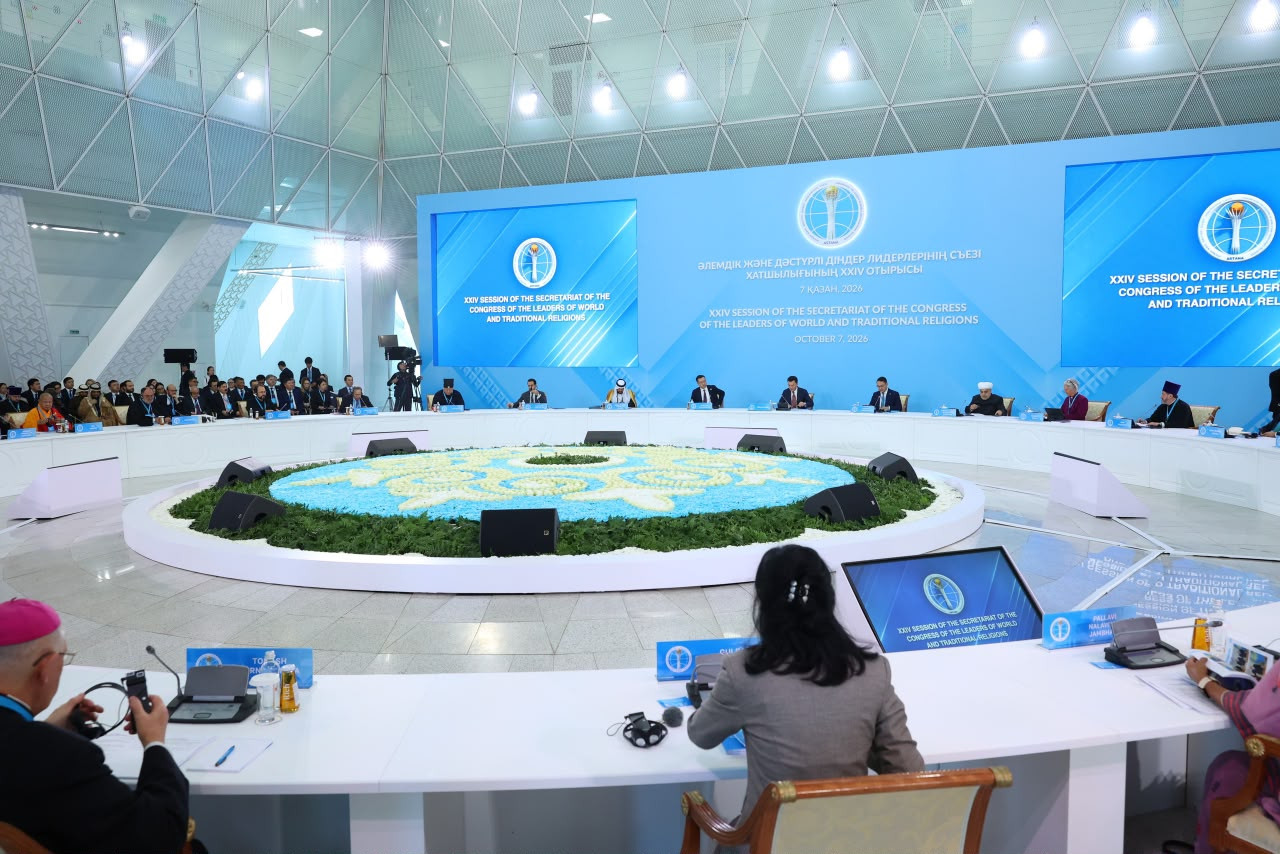
Astana, 7 October 2026
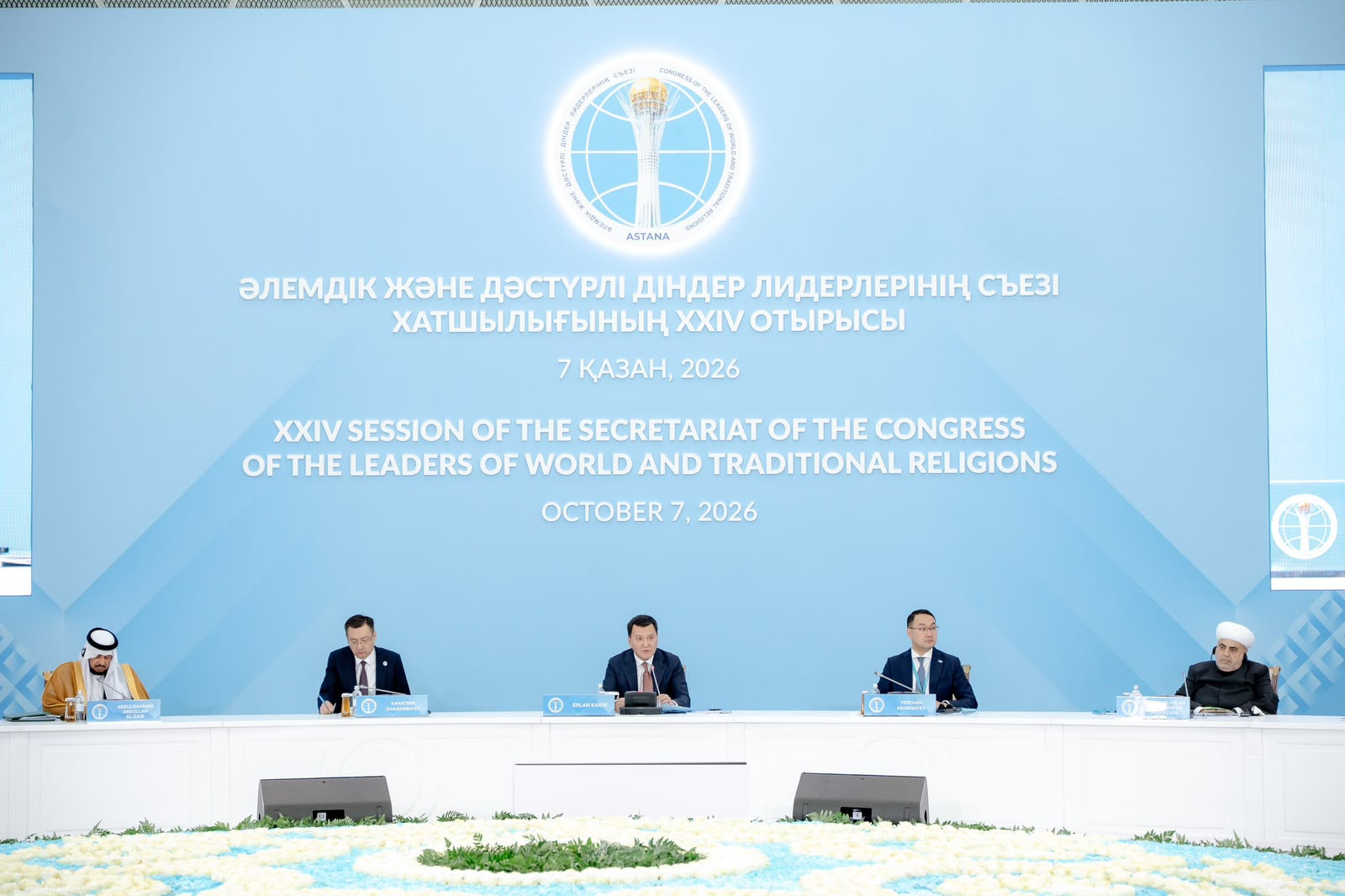
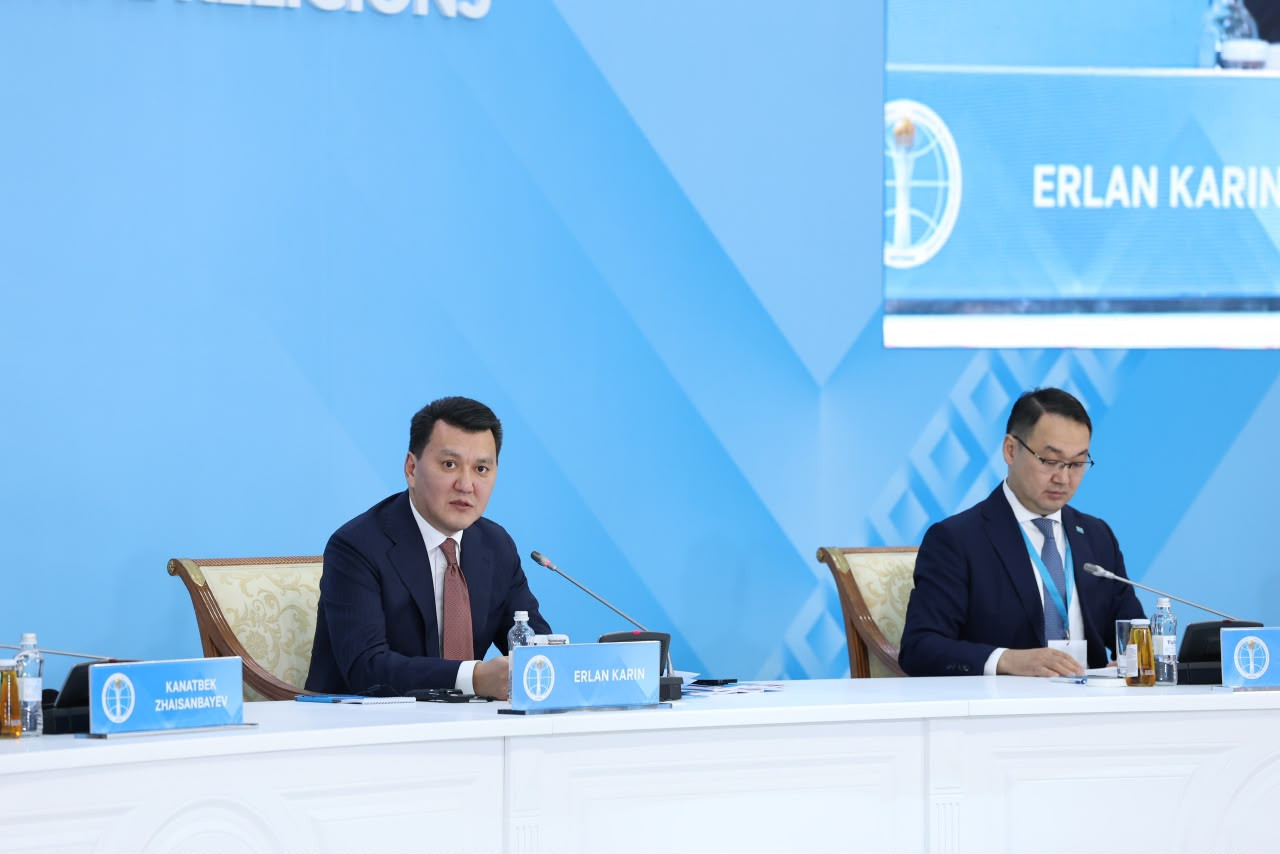
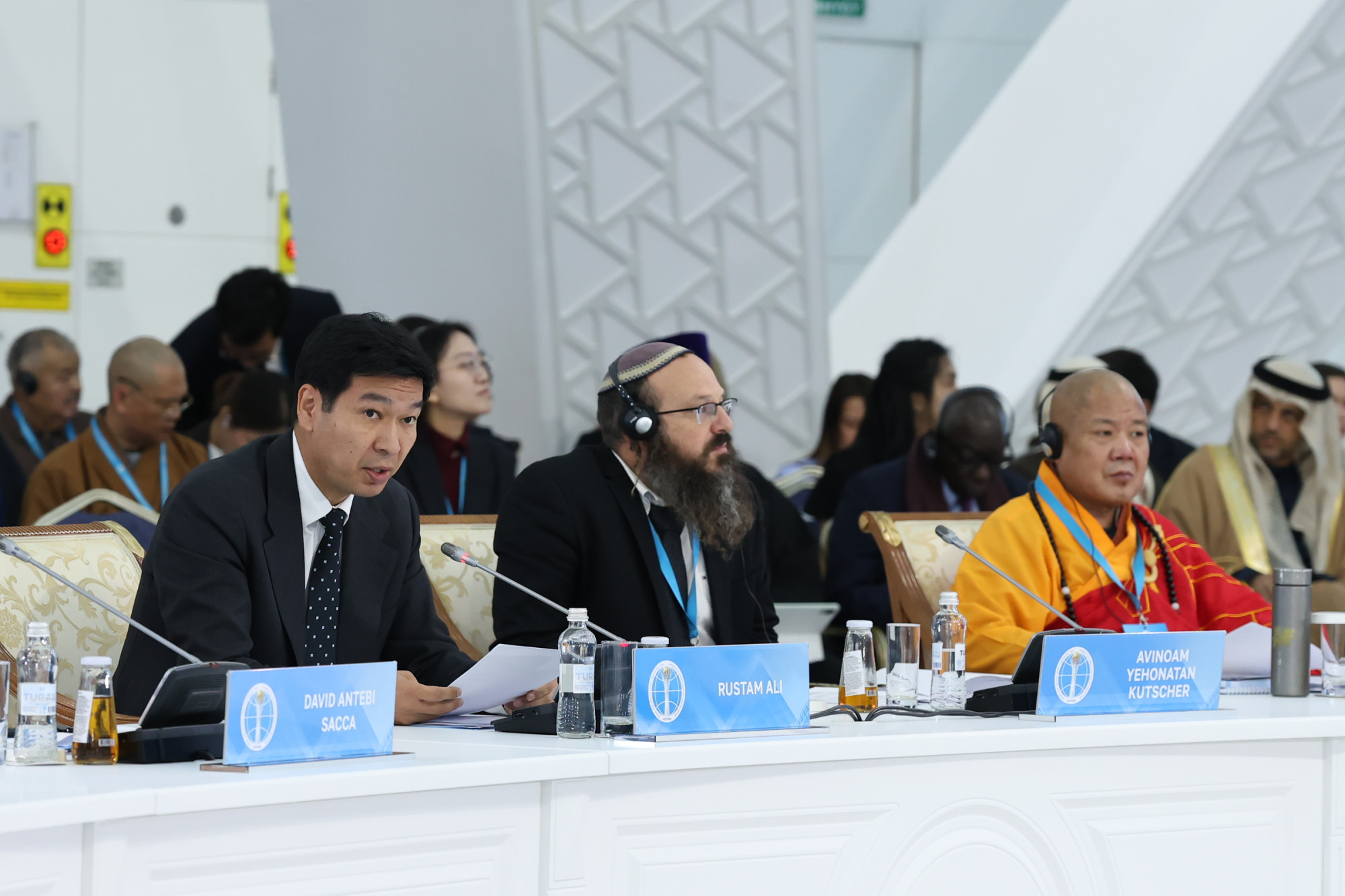
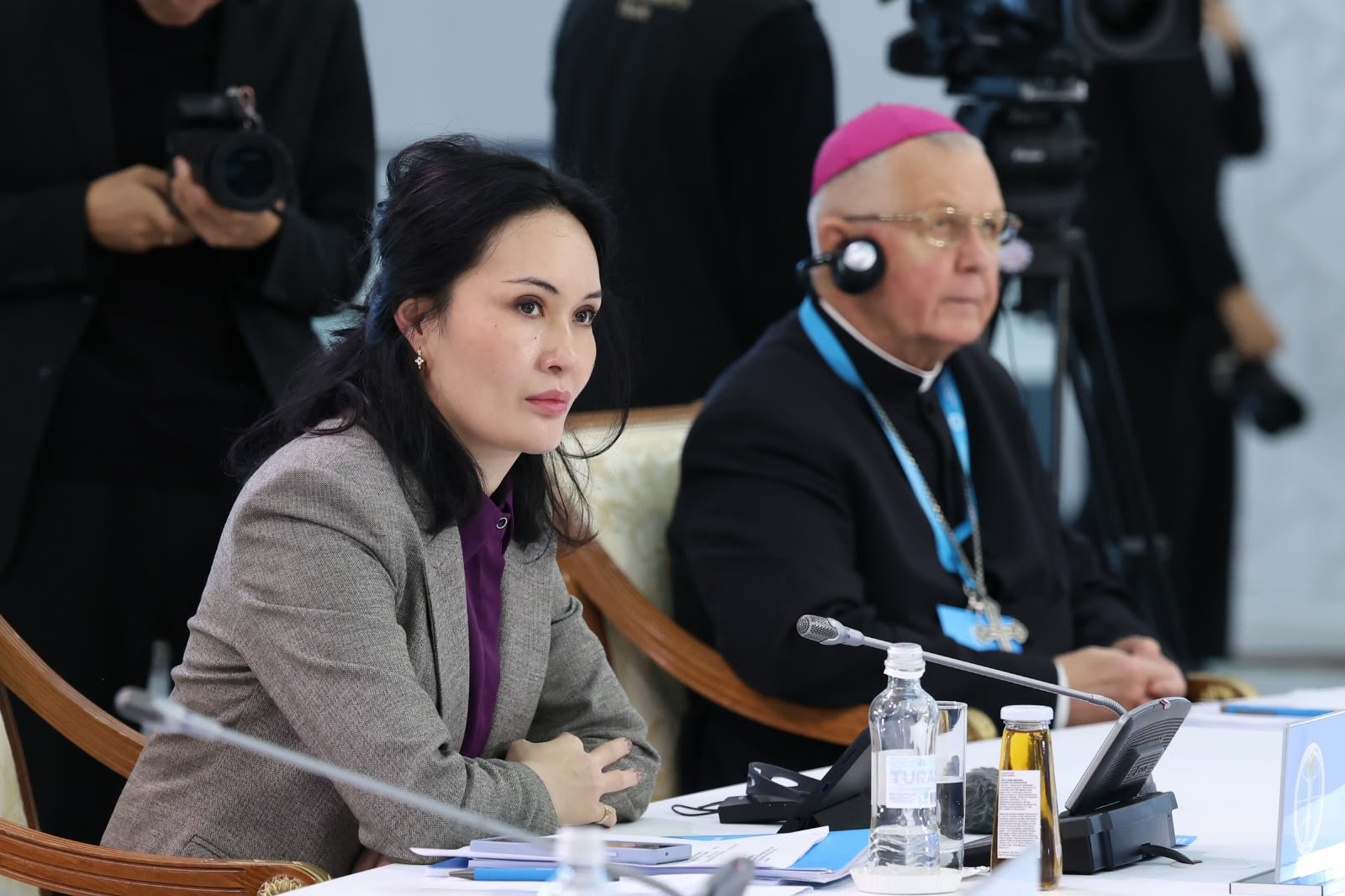
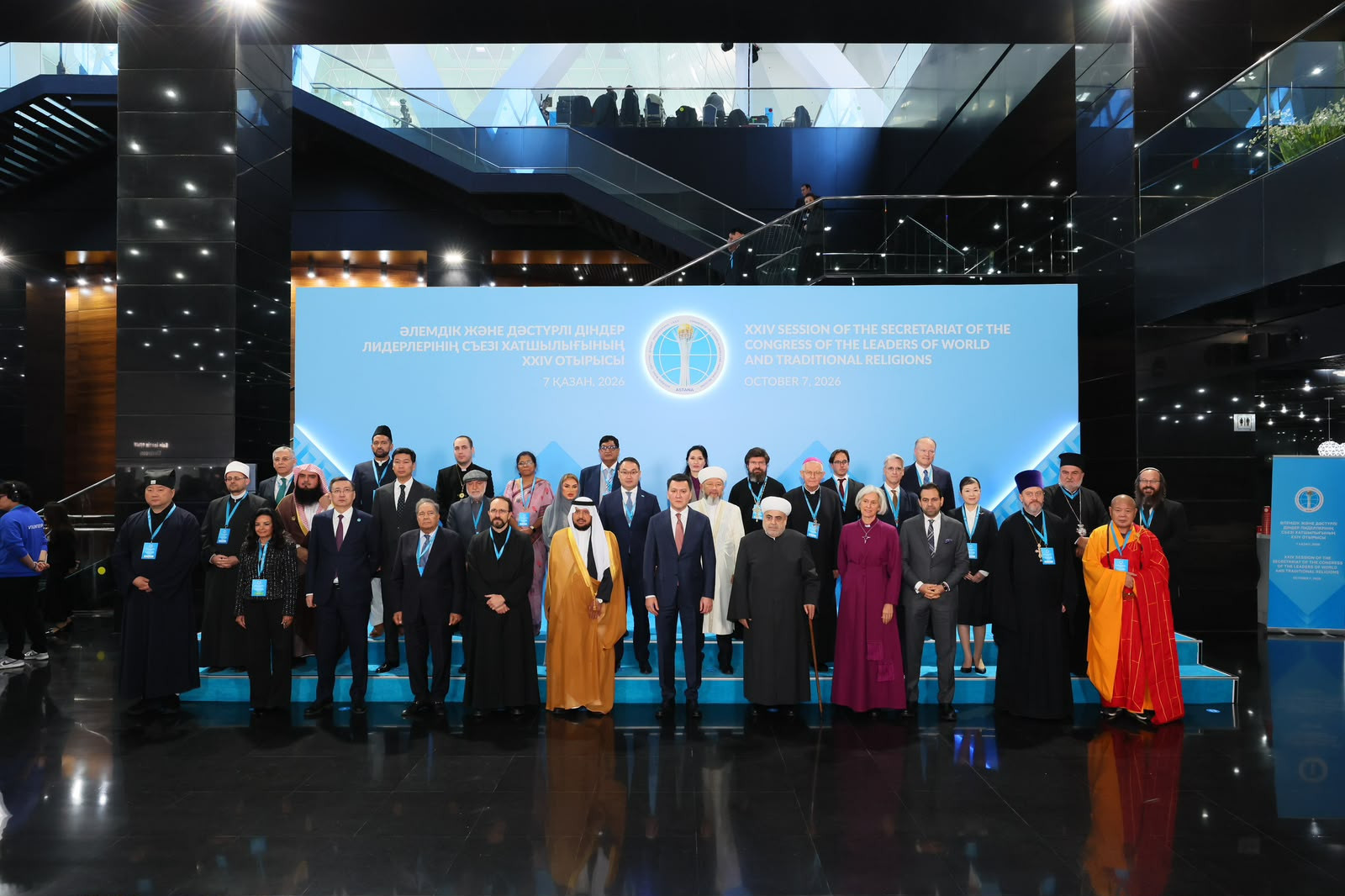
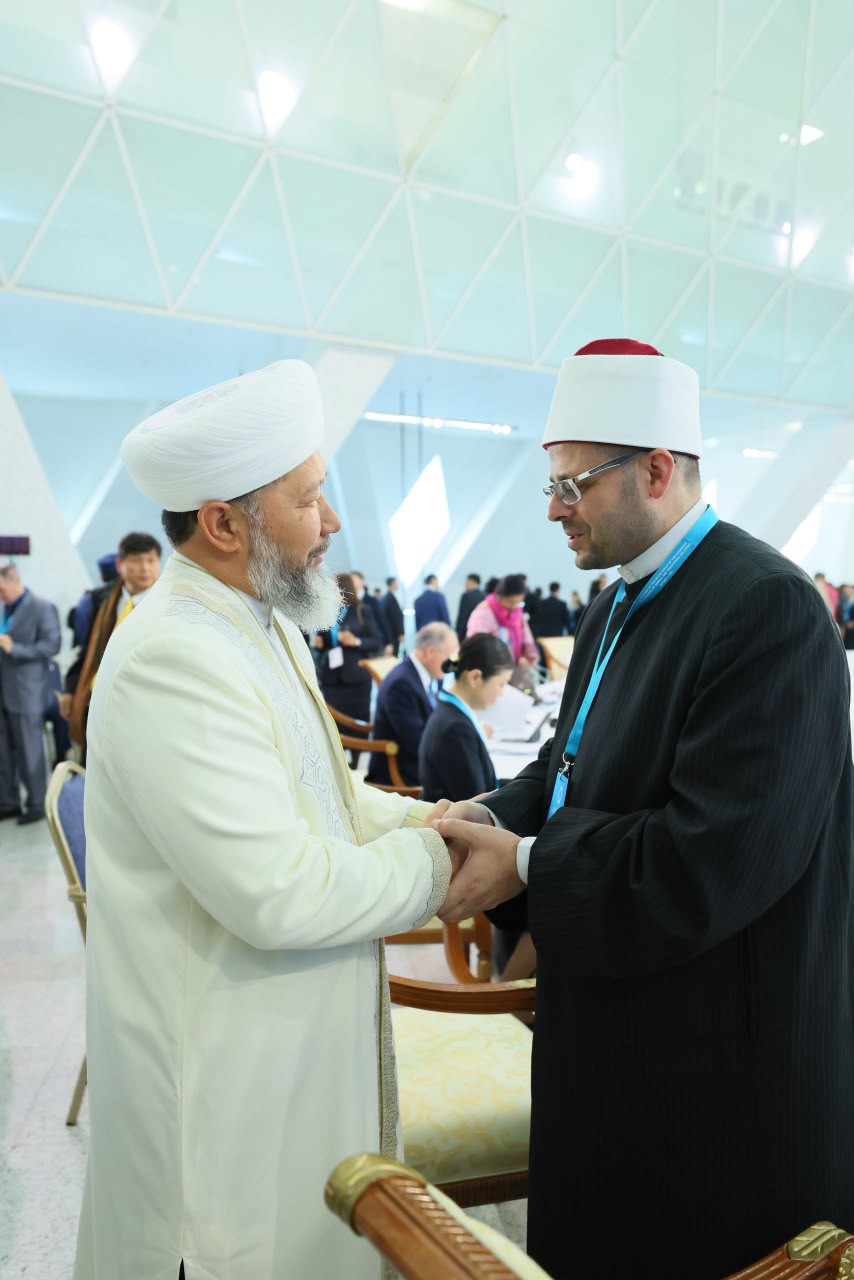
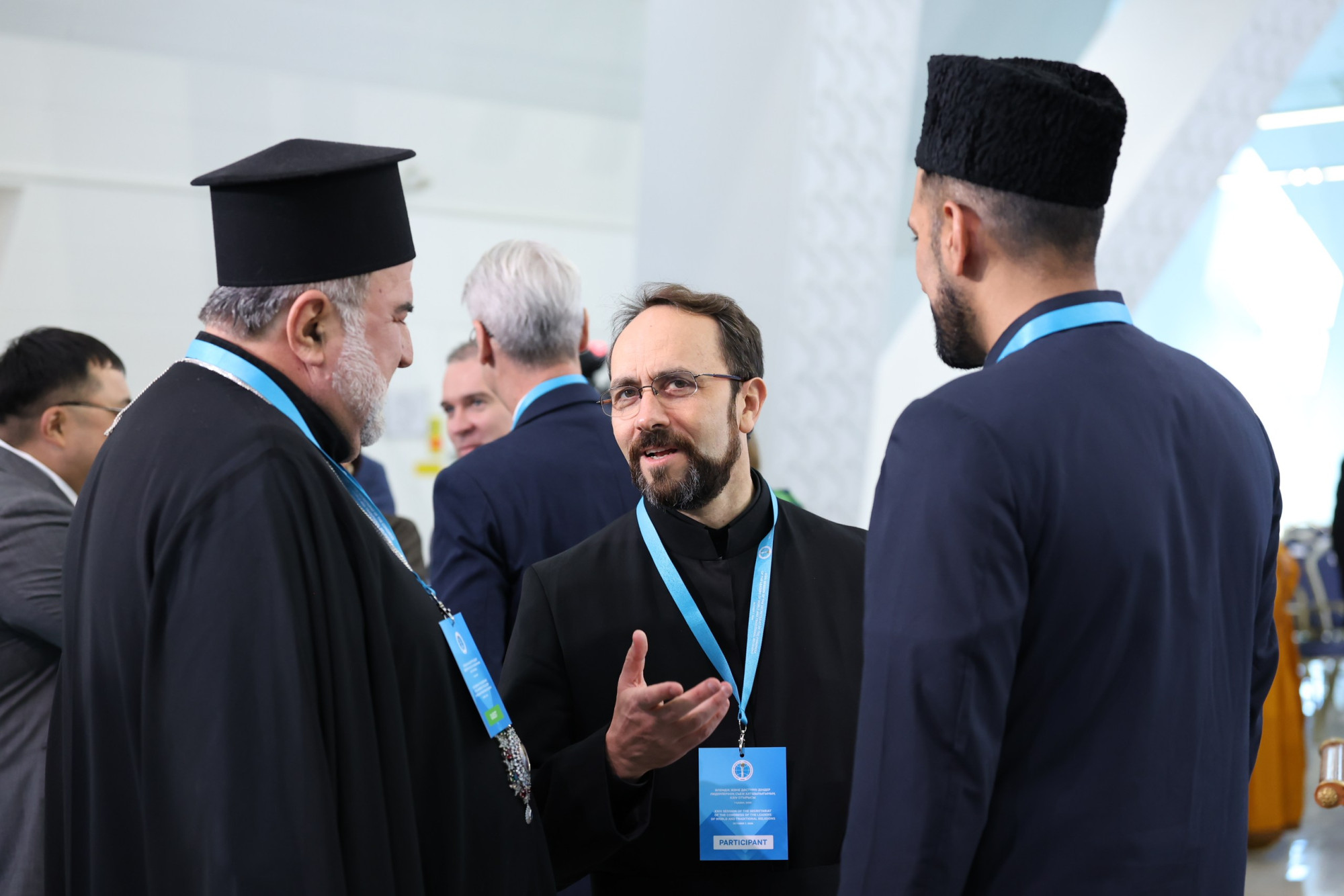
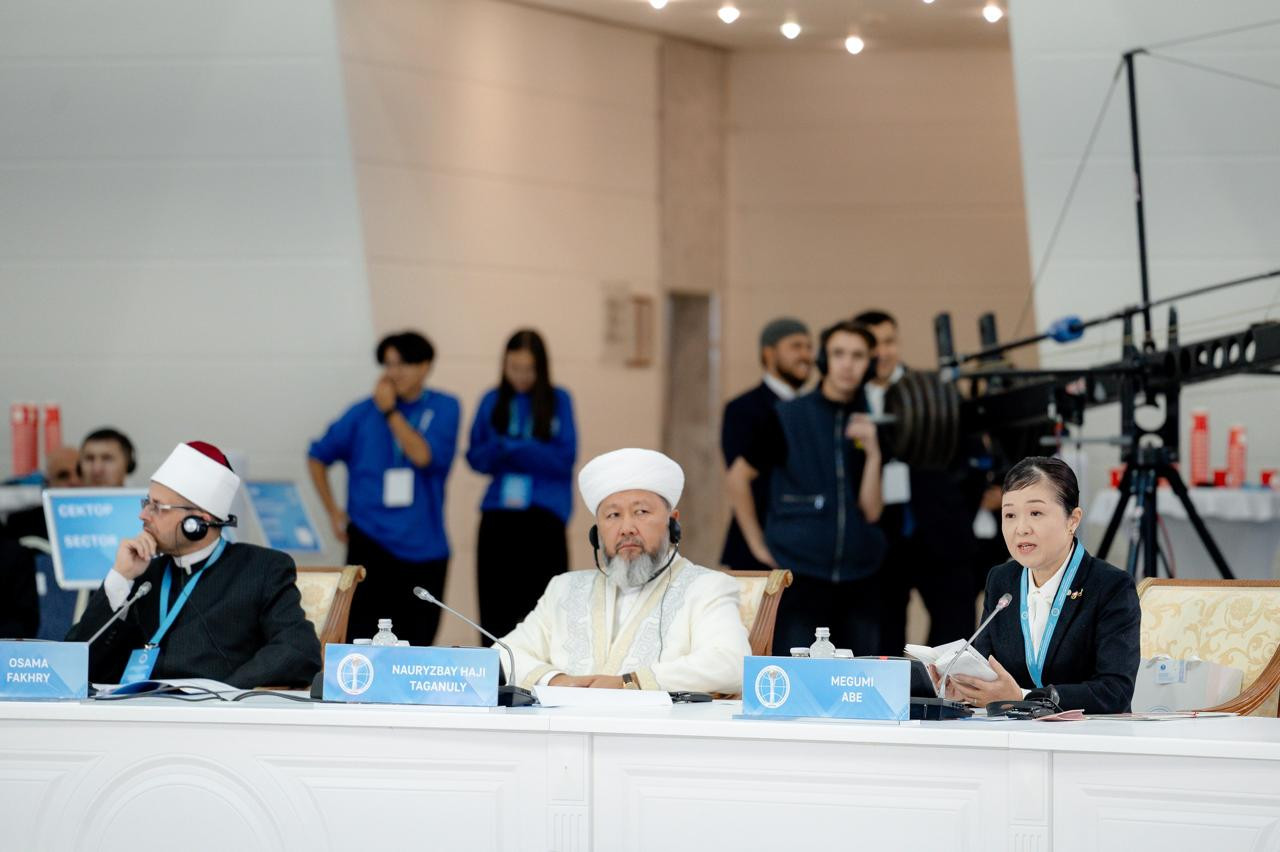
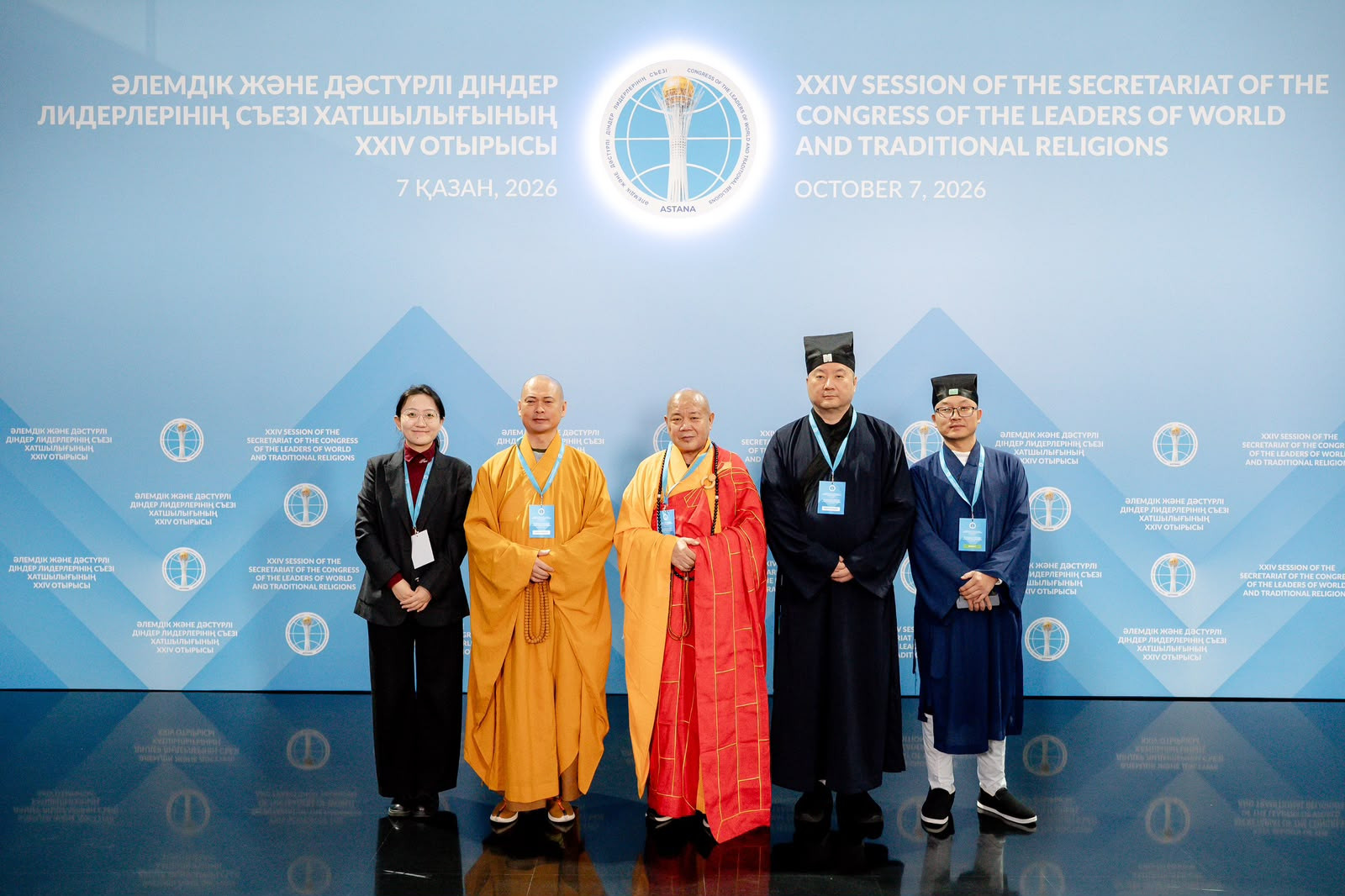
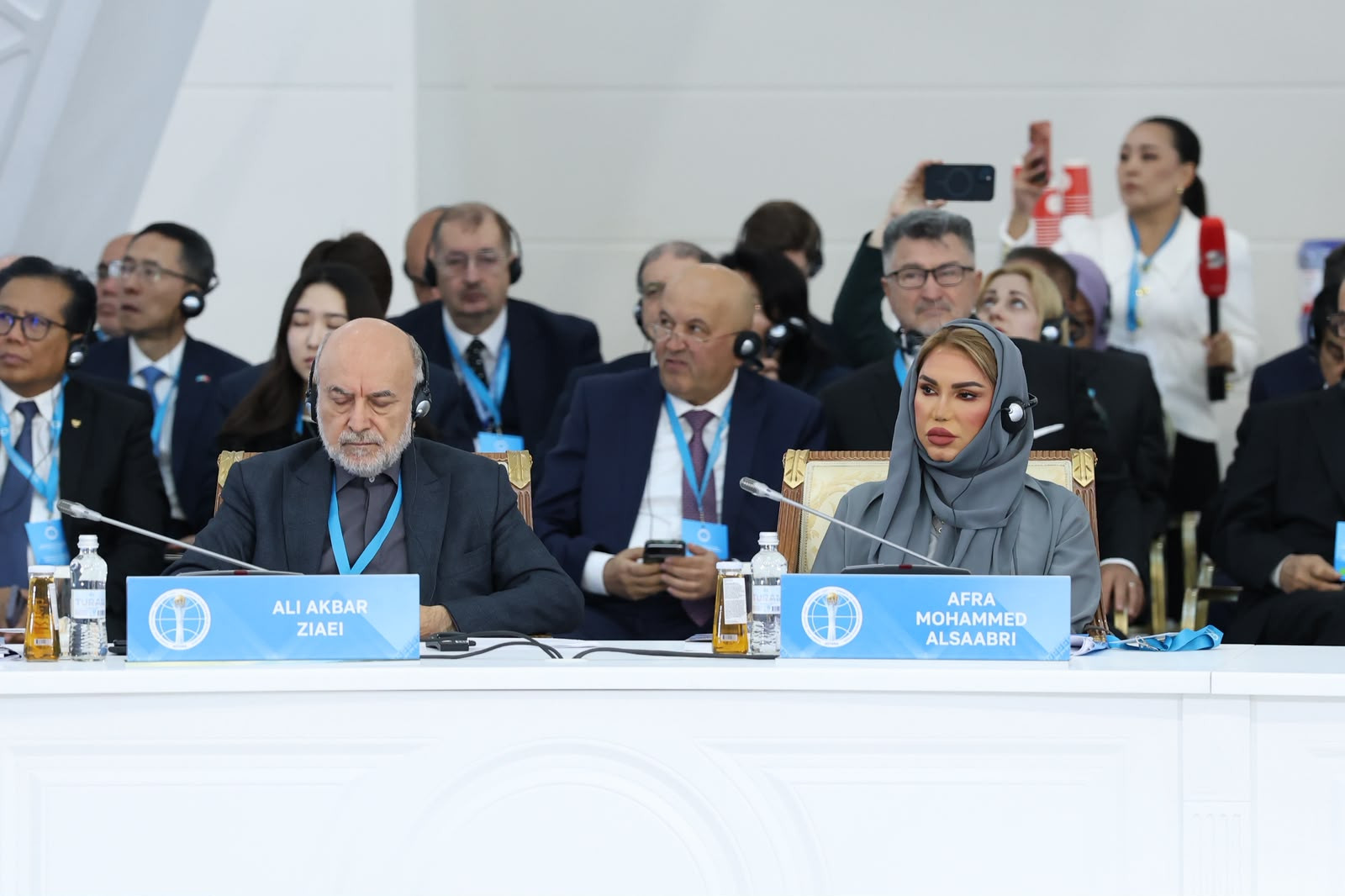
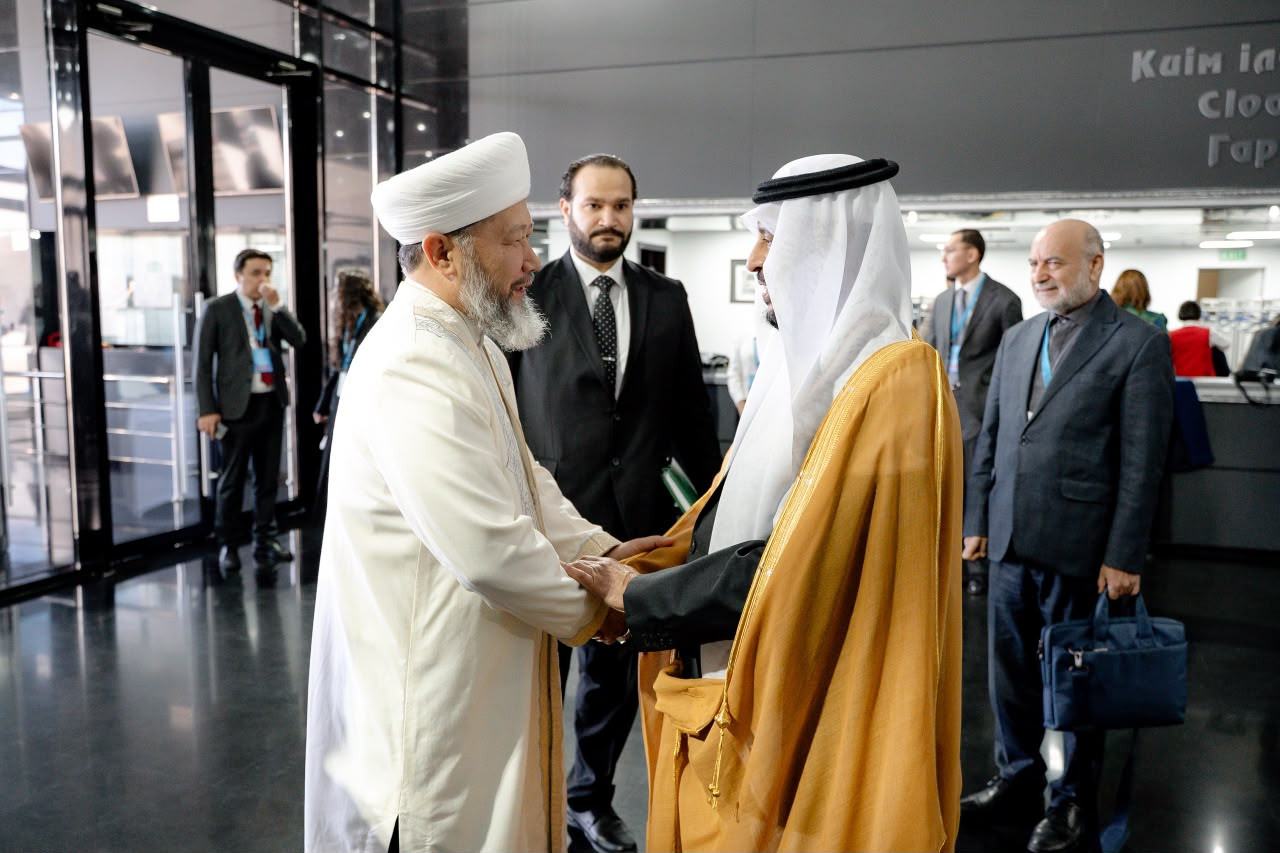
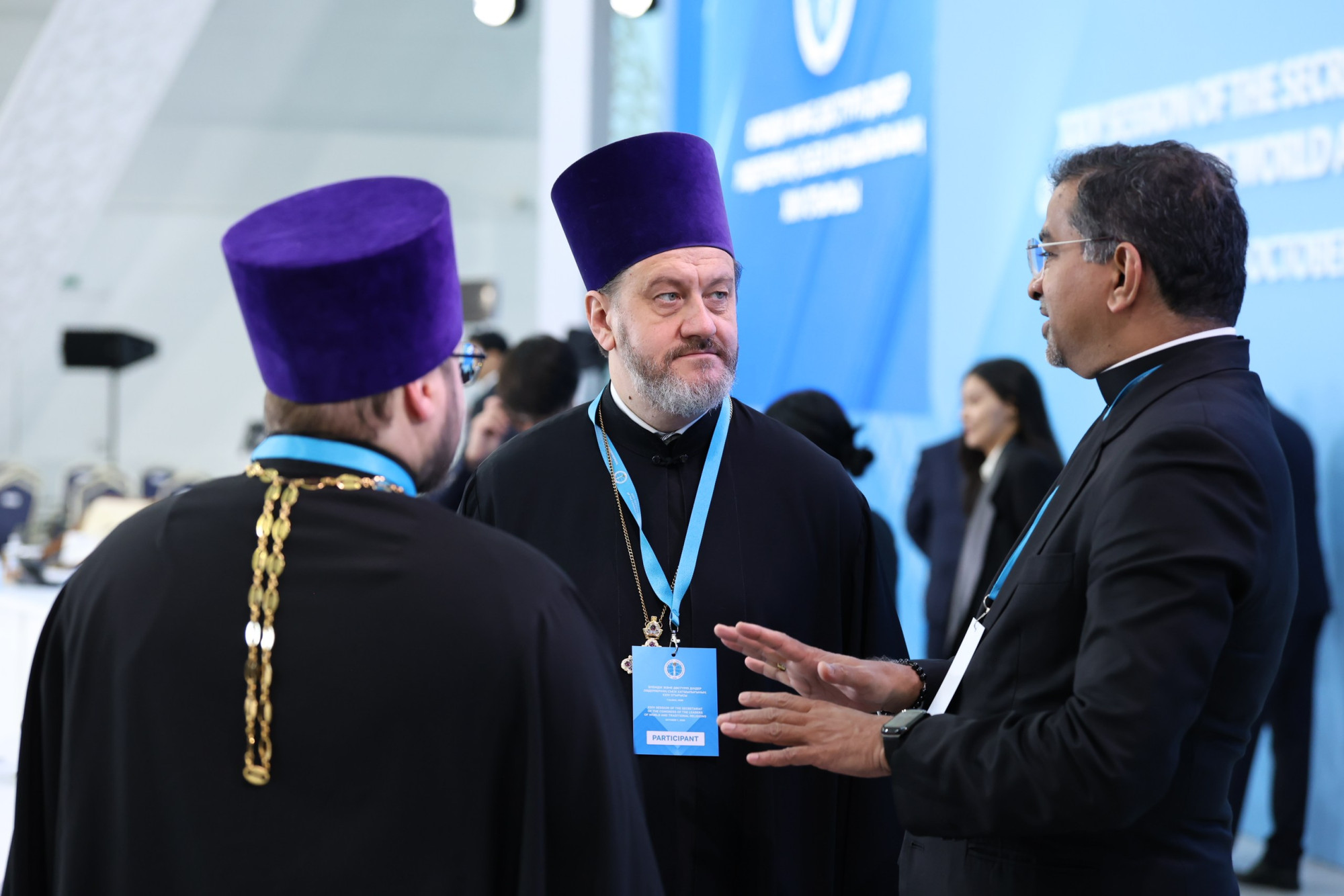
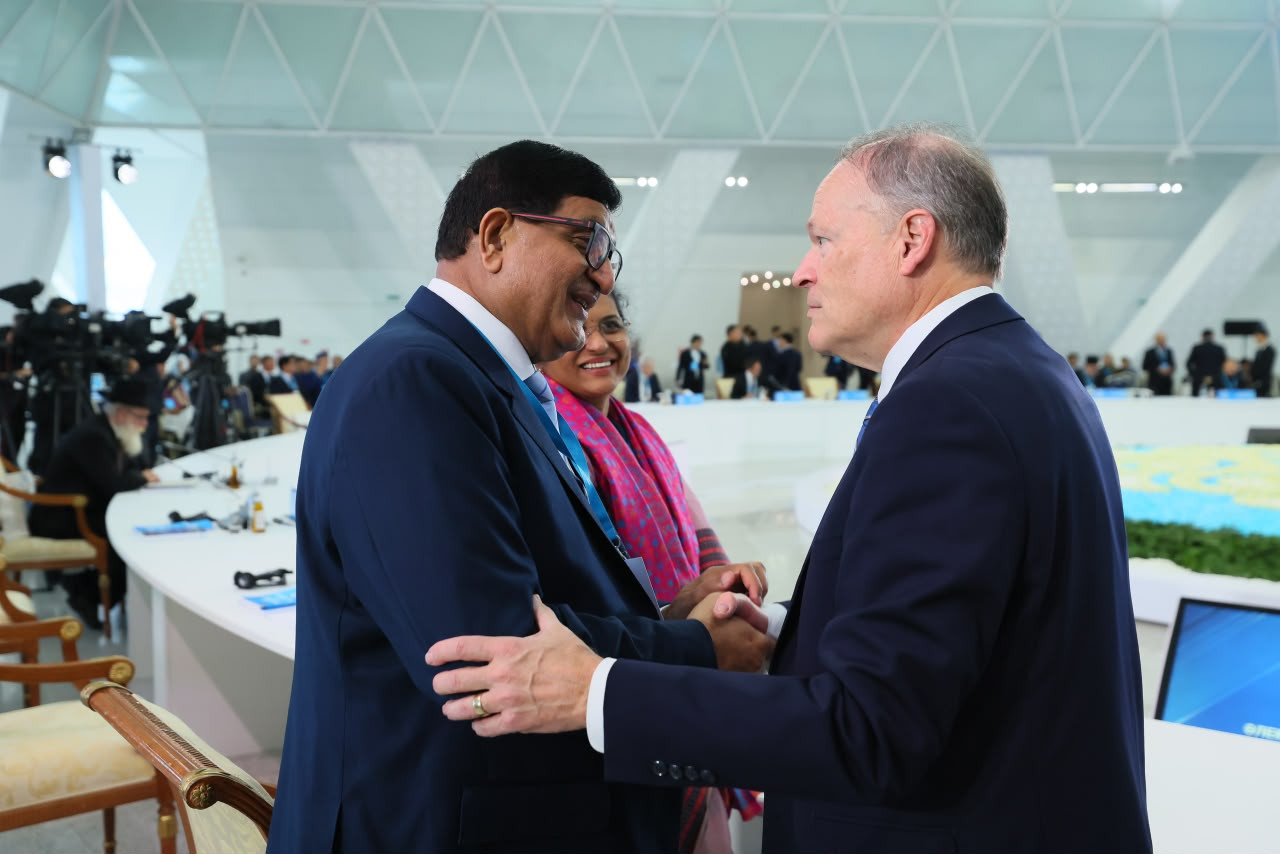
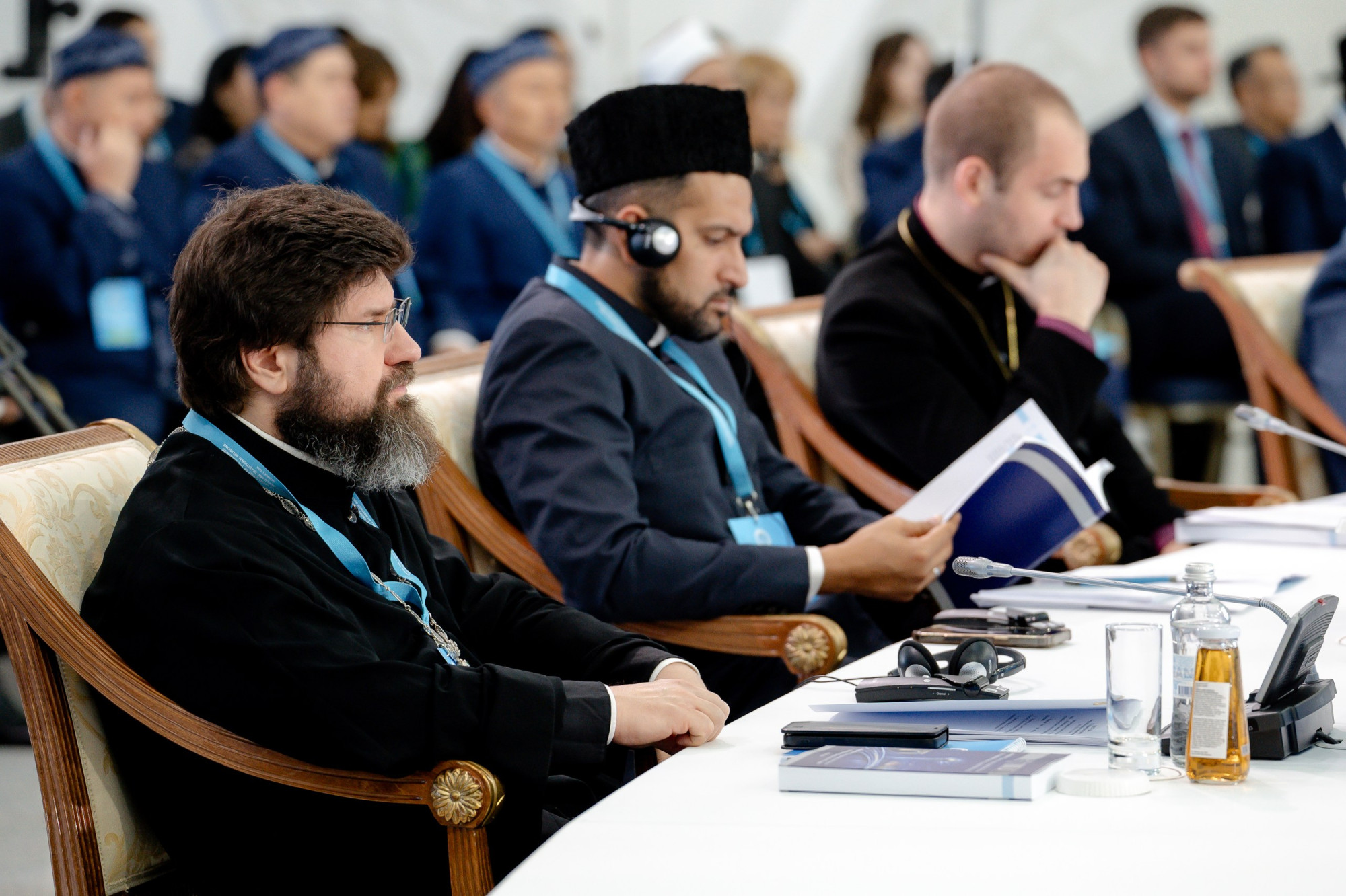
The XXIV Meeting of the Secretariat of the Congress of Leaders of World and Traditional Religions was held under the chairmanship of Erlan Karin, Head of the Secretariat of the Congress. The meeting was attended by more than 30 distinguished representatives of world and traditional religions and international organizations, as well as government officials and public figures from 20 countries.
Yerlan Karin emphasized the significance of President Kassym-Jomart Tokayev’s initiative to establish a Global Movement for Peace. A special role in advancing this initiative is assigned to religious leaders and to the potential of spiritual diplomacy as an important instrument for strengthening mutual understanding and trust. In this context, it was proposed to work jointly with partners on the conceptual foundations of the movement and to define further steps for its promotion at the international level.
The XXIV Meeting marked a new practical stage in the development of the Congress. For the first time within its institutional framework, joint action-oriented documents were adopted, establishing shared approaches among religious leaders for addressing the key global challenges of our time.
The central outcome of the meeting was the adoption of two international documents developed in furtherance of the Astana Peace Declaration 2025:
the “Code of Ethics for the Use of Artificial Intelligence in the Religious Sphere”, which enshrines the primacy of human dignity, freedom of conscience, human responsibility, and the preservation of spiritual autonomy in the use of new technologies;
the document “The Role of Religions in Combating Climate Change”, which establishes a shared value-based platform for environmental responsibility, care for nature, and responsibility to future generations.
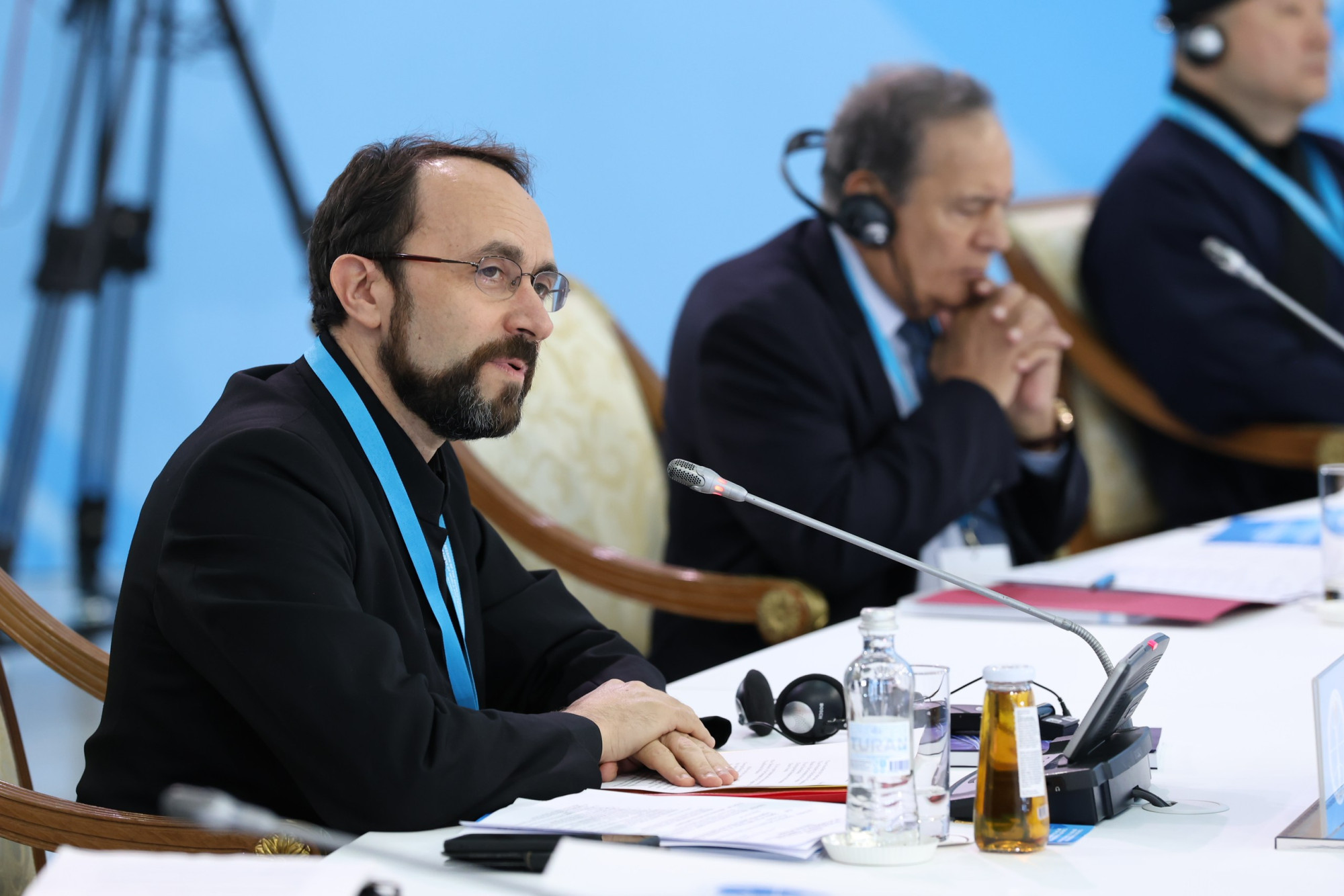
Chair of the Board of the International Center of Interfaith and Interreligious dialog Gulsana Kozhabay presented documents on the climate agenda and the ethics of artificial intelligence in the religious sphere. “Artificial intelligence can assist, but it cannot become a spiritual authority. Moral responsibility always remains with the human being,” Gulsana Kozhabay emphasized. She also noted that the special mission of the Congress is to bring a moral and spiritual dimension to the decisions that are shaping the lives of future generations today.
Another important outcome of the meeting was the presentation of the Charter of the Rights of a Child with an Incurable Disease, a joint initiative of Kazakhstan and the Holy See. The document is aimed at protecting the dignity and rights of children with incurable diseases, ensuring humane treatment and the necessary medical and psychological assistance, supporting families, and taking into account the child’s spiritual and worldview-related needs.
Thus, for the first time, the XXIV Meeting of the Secretariat created a comprehensive set of practical international initiatives of the Congress in three pressing areas: artificial intelligence ethics, environmental responsibility, and the protection of the dignity of the most vulnerable children.
The decisions adopted bring the initiatives outlined by President of the Republic of Kazakhstan Kassym-Jomart Tokayev and the participants of the VIII Congress into the sphere of practical international implementation and open up new opportunities for cooperation among religious leaders, international organizations, and the expert community.
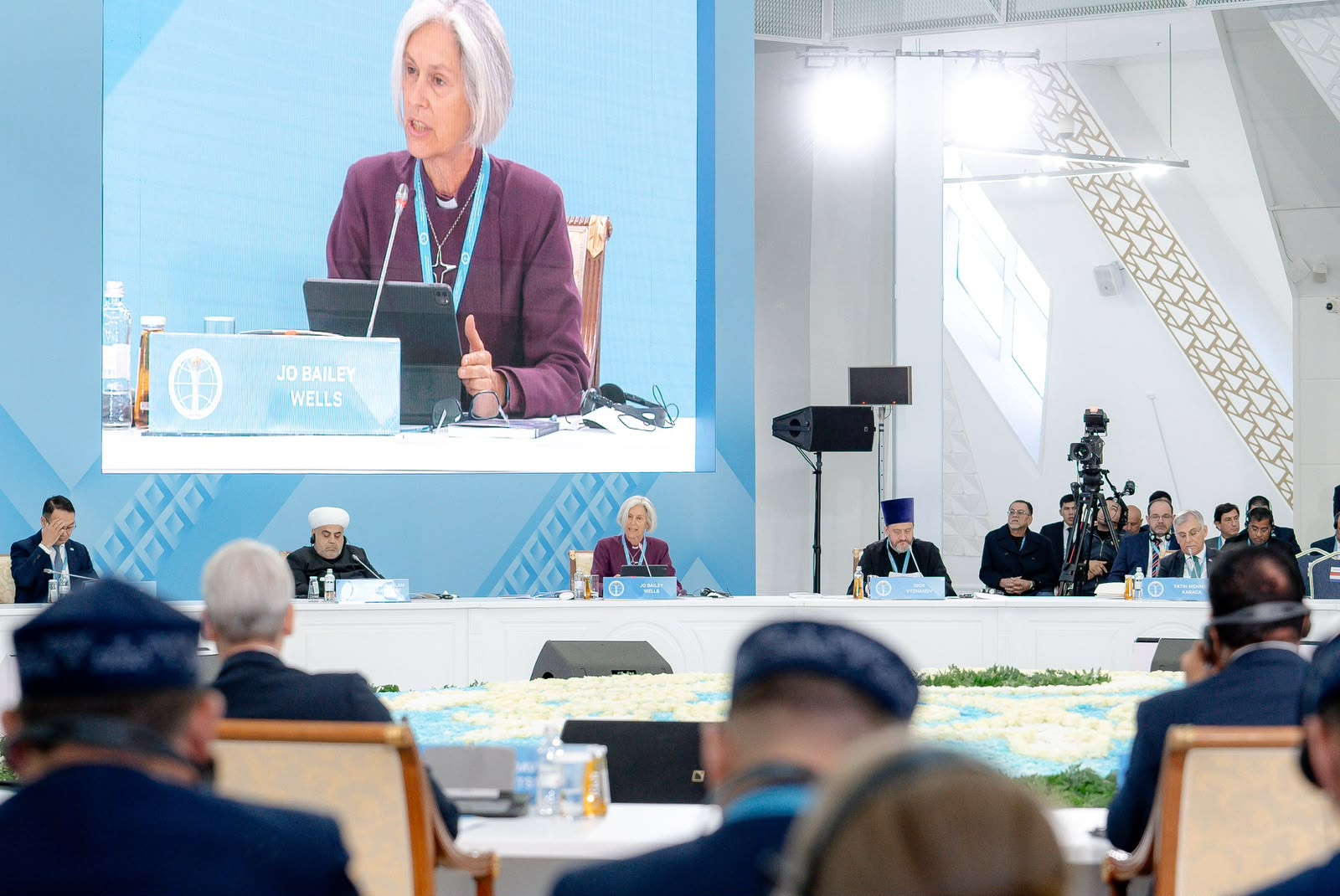
Representatives of the world’s leading religious institutions expressed their support for the practical focus of the decisions adopted. Mohamed Abdelsalam, General Secretary of the Muslim Council of Elders, emphasized the need to move from agreement on shared values to mechanisms for their implementation, highlighting in particular the development of international cooperation in the areas of artificial intelligence ethics, the protection of human dignity, and freedom of conscience. Jo Bailey Wells, Deputy Secretary of the Anglican Communion, Bishop for Episcopal Ministry called for a focus on the practical implementation of the documents on climate and artificial intelligence, stressing that these challenges require cooperation that transcends national and denominational boundaries.
During the discussions, participants emphasized the growing role of the Congress as an international mechanism of spiritual diplomacy. The platform not only strengthens trust between religions and cultures, but also develops practical approaches to addressing pressing global issues.
Archpriest Igor Vyzhanov, Deputy Chairman of the Department for External Church Relations of the Moscow Patriarchate, highlighted the importance of the Congress and the International Center as platforms for developing coordinated positions among religious communities on pressing contemporary issues. Qiu Shuang Vice President of the Buddhist Association of China, President of the Jiangsu Buddhist Association, linked climate responsibility, the ethics of artificial intelligence, and the protection of children with incurable diseases to the shared responsibility of religious leaders for human dignity, peace, and a sustainable future.
The adopted documents are to be promoted through key international platforms, including the United Nations and global climate and technology forums, as well as among religious organizations, expert bodies, and other international partners.
The next stage will be the milestone XXV Meeting of the Secretariat on 6 October 2027. In 2028, the IX Congress of Leaders of World and Traditional Religions will be held to mark the 25th anniversary of the Congress.
The forthcoming events will continue and expand the practical course already under way, strengthening the Congress’s role as a sustainable international mechanism of spiritual diplomacy focused on peace, human dignity, and shared responsibility for the future.