Kazakhstan and the Holy See Agree on the Charter of the Rights of the Child with an Incurable Disease
The document, developed by the International Center for Interfaith and Interreligious Dialogue of the Republic of Kazakhstan and the Holy See’s Bambino Gesù Children’s Hospital, is planned to be further promoted within the institutions of the Congress of the Leaders of World and Traditional Religions and on international platforms.
Astana, October 2–3, 2026.
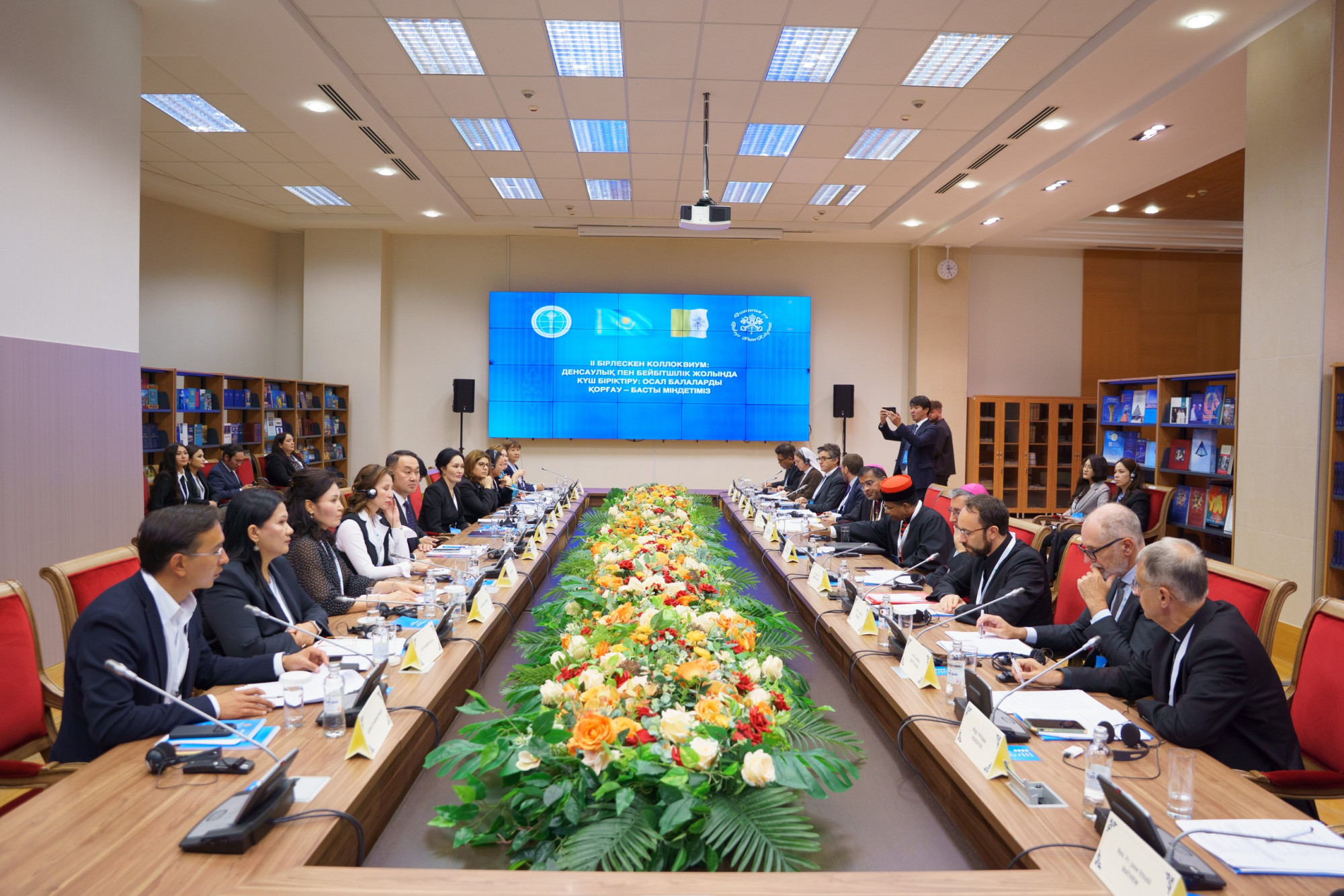
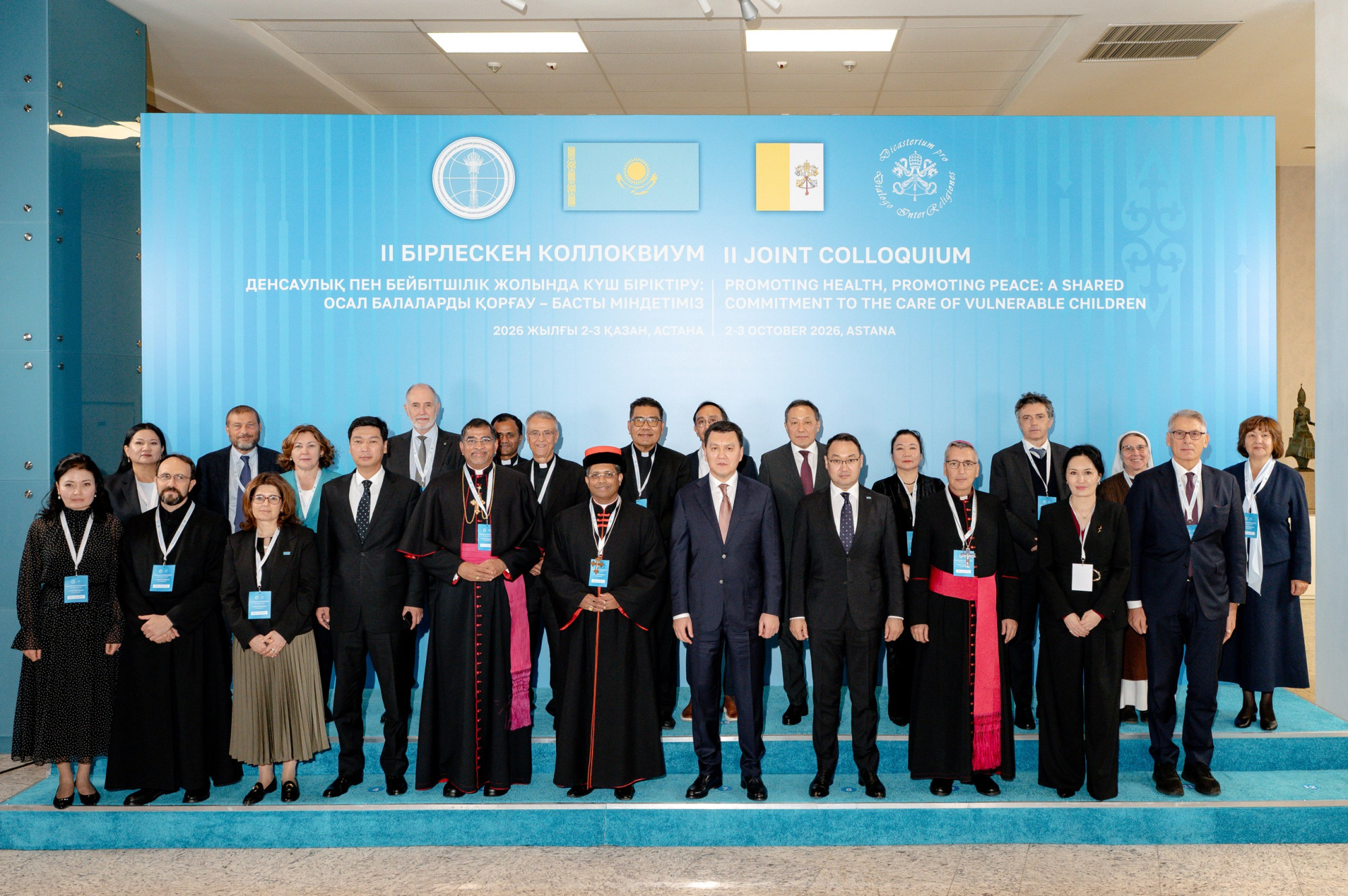
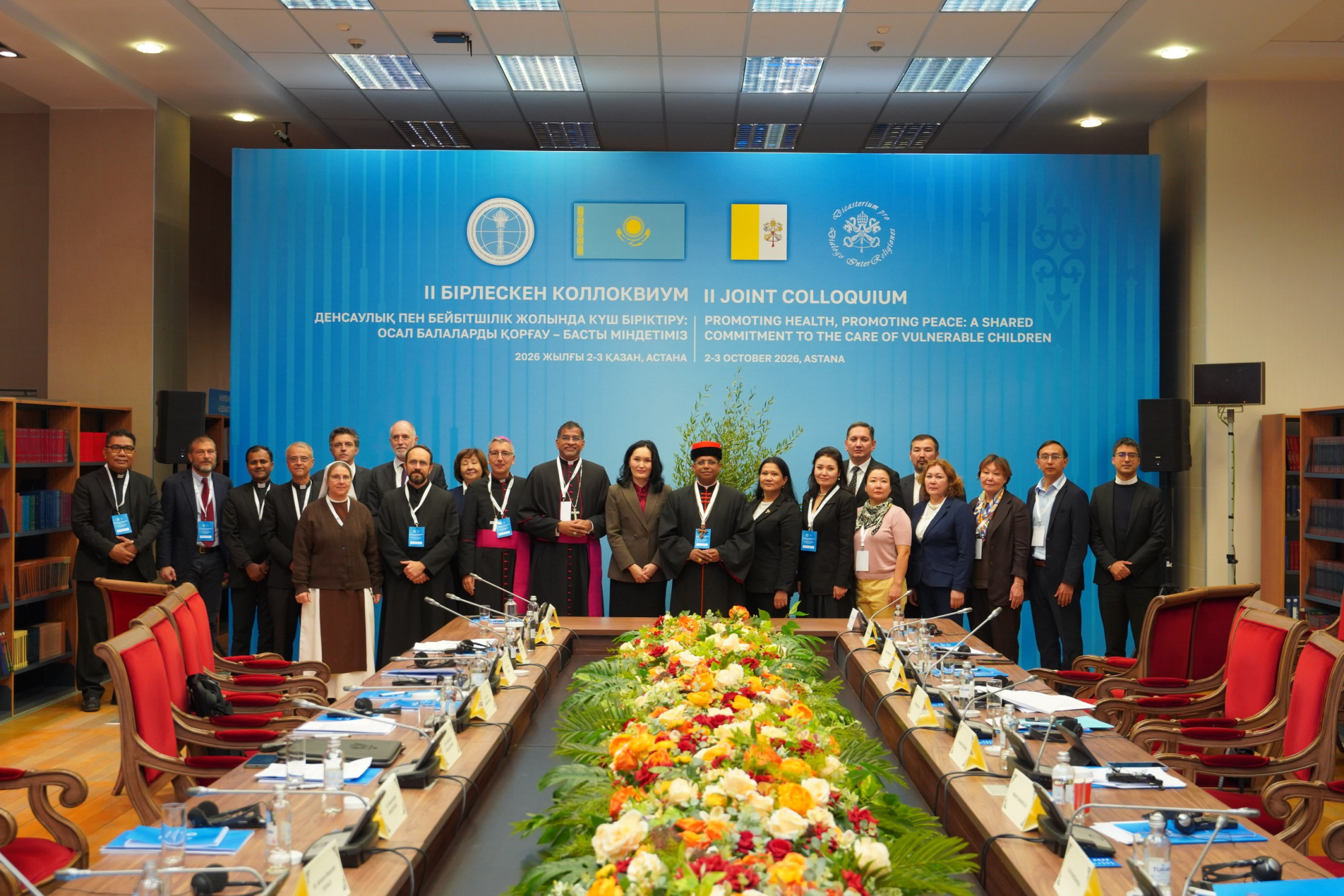
The two-day II Kazakhstan–Holy See Joint Colloquium on the Protection of Vulnerable Children concluded its work today. Kazakhstan and the Holy See have agreed on the Charter of the Rights of the Child with an Incurable Disease for its further promotion at the international level. The document was developed jointly by the International Center for Interfaith and Interreligious Dialogue of the Republic of Kazakhstan and the Bambino Gesù Children’s Hospital of the Holy See.
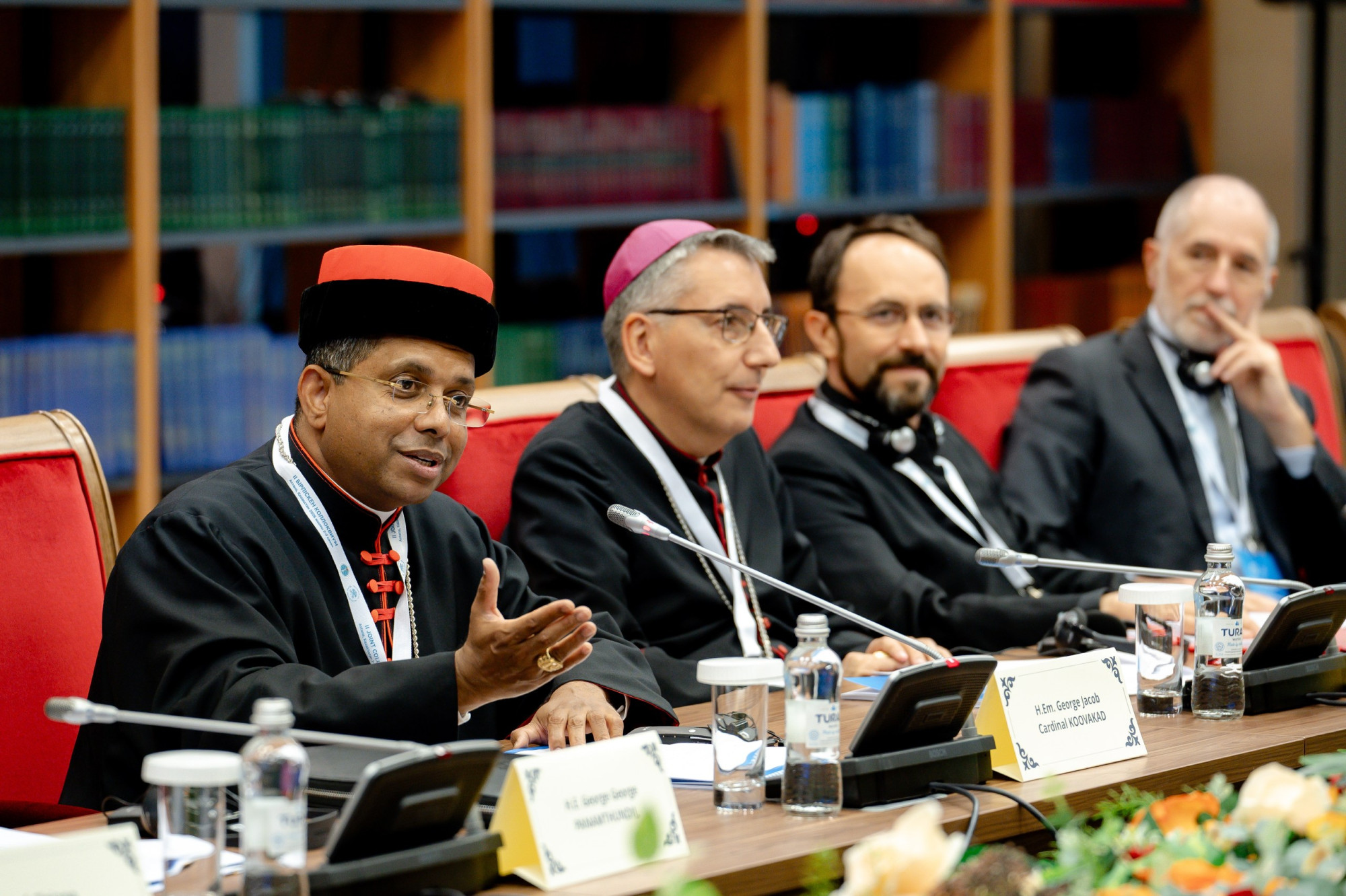
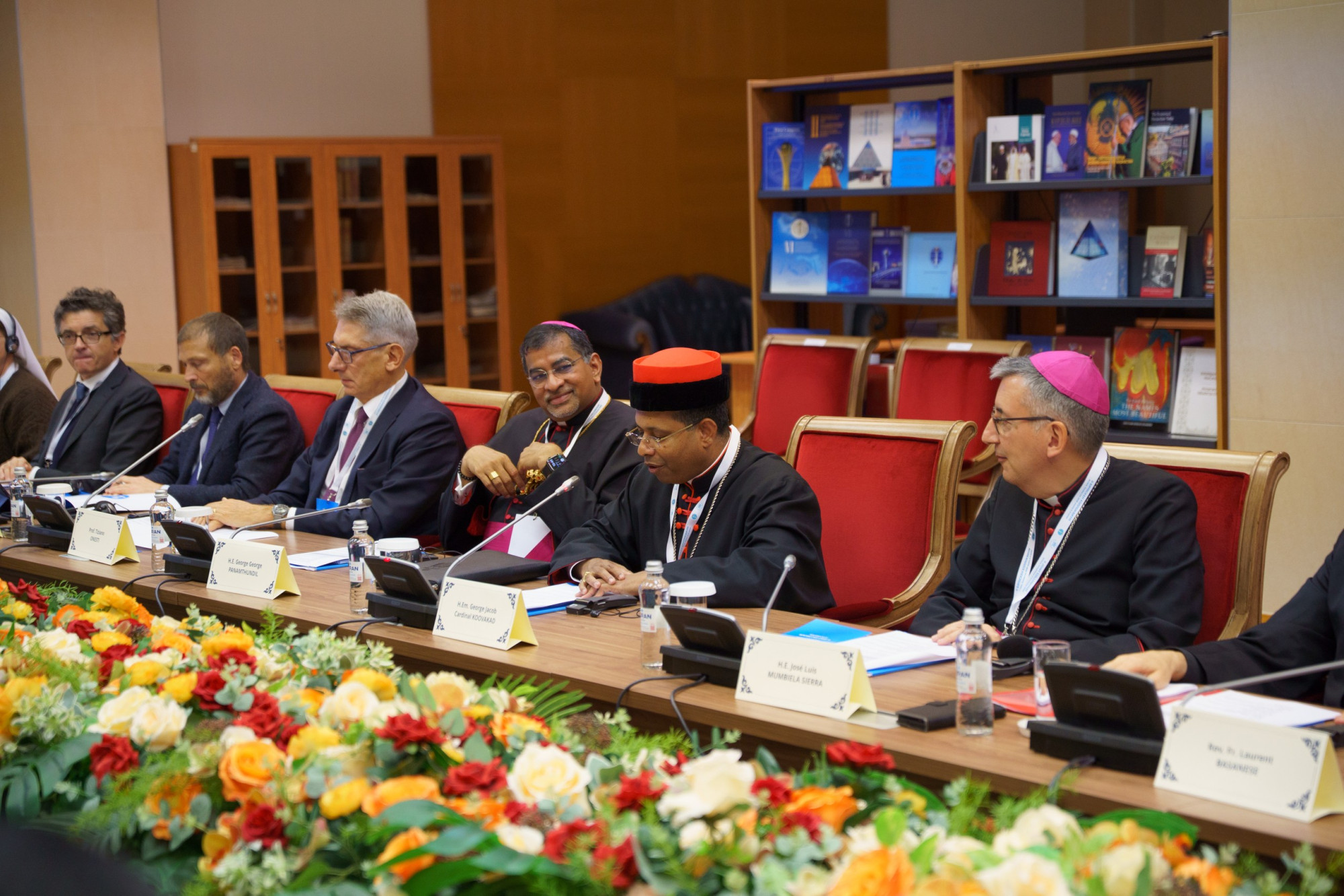
The Colloquium was co-chaired by Erlan Karin, Vice President of the Republic of Kazakhstan and Head of the Secretariat of the Congress of the Leaders of World and Traditional Religions, and Cardinal George Jacob Koovakad, Prefect of the Dicastery for Interreligious Dialogue of the Holy See. It was organized by the International Center for Interfaith and Interreligious Dialogue and the Dicastery for Interreligious Dialogue of the Holy See, with the active participation of Bambino Gesù. The Colloquium continues the cooperation launched in April 2024 in the Vatican.
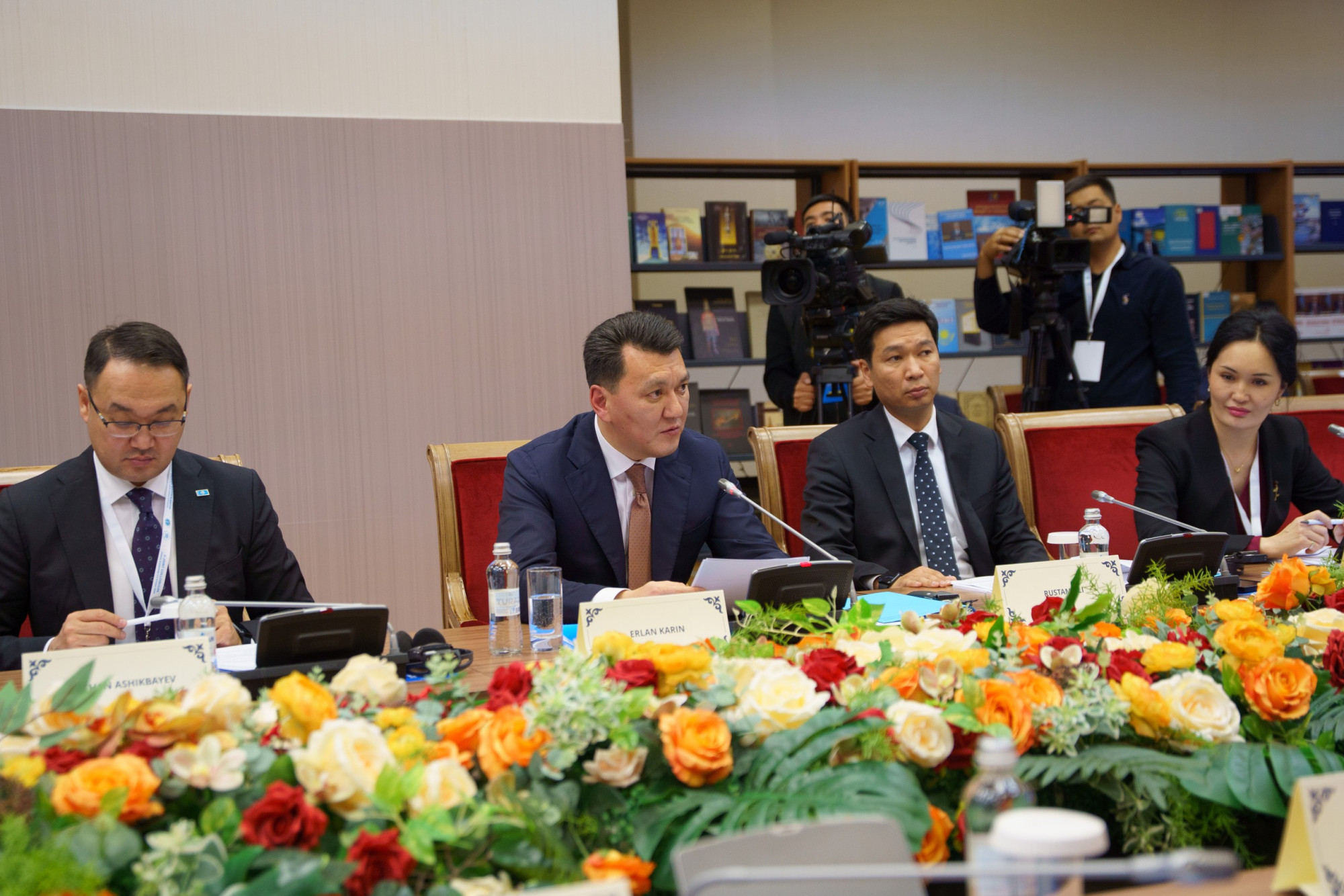
Opening the Colloquium, Erlan Karin noted that the long-standing dialogue between Kazakhstan and the Holy See is now taking on a concrete humanitarian dimension. Joint efforts in the field of protecting the health, rights and dignity of children represent a practical continuation of the principles enshrined in the Astana Peace Declaration 2025.
Cardinal George Jacob Koovakad emphasized that cooperation between the two sides is moving “from principles to concrete action” — from interreligious dialogue and mutual understanding to shared responsibility for human life and dignity. According to him, care for vulnerable children is becoming a practical expression of this dialogue and a concrete contribution to strengthening peace.
The Colloquium was also attended and addressed by First Deputy Minister of Foreign Affairs of the Republic of Kazakhstan Yerzhan Ashikbayev and Vice Minister of Culture and Information of the Republic of Kazakhstan Rustam Ali. In their remarks, they highlighted the importance of practical cooperation between Kazakhstan and the Holy See and the further development of the humanitarian dimension of the Congress of the Leaders of World and Traditional Religions.
The central outcome of the first day was the agreement between the Kazakh side and the Holy See on the text of the Charter of the Rights of the Child with an Incurable Disease. The next step will be its further promotion within the institutions of the Congress of the Leaders of World and Traditional Religions and on international platforms.
The Charter is based on the principle that the absence of a possibility of cure does not mean the end of care for a child. The document addresses medical and palliative care, psychological and social support, family participation in decision-making, and respect for the child’s dignity at all stages of illness.
Gulsana Kozhabay, Chair of the Board of the International Center for Interfaith and Interreligious Dialogue, noted that, in developing the Charter, it was essential to take into account not only medical and humanitarian approaches, but also differences in national legislation, healthcare systems, and cultural and worldview environments.
“For us, it was important to create a document that could work not only within one system or in one country. Kazakhstan has brought to this work its experience as a secular and religiously diverse state. Therefore, we view the Charter as a framework whose principles can be adapted to different national contexts,” Gulsana Kozhabay emphasized. This approach makes it possible to view the Charter not only as an outcome of Kazakhstan–Holy See cooperation, but also as a basis for further international dialogue and practical application, taking into account the national specificities of different countries.
Tiziano Onesti, President of the Bambino Gesù Children’s Hospital of the Holy See, noted that modern medicine should be assessed not only by its ability to cure, but also by the extent to which it can accompany and support the most vulnerable patients and their families.
“There are incurable diseases, but there are no incurable children.” This approach became one of the central ideas in the discussion of the Charter and further cooperation between medical institutions in Kazakhstan and Bambino Gesù.
Milena Kharizanova, Deputy Representative of UNICEF in Kazakhstan, drew attention to the role of religious communities in overcoming stigma, supporting families and building trust in professional assistance.
The participants also discussed the possibility of applying the principles of the Charter in broader contexts of vulnerability, including with regard to children affected by armed conflicts, forced displacement, radicalization and other severe humanitarian circumstances.
Professor Gulnaz Razdykova presented Kazakhstan’s experience within the framework of the “Zhusan” humanitarian operation, which resulted in the return of 406 children from Syria, including orphans and young children. This experience was considered as an example of comprehensive rehabilitation and the reintegration of children into a safe social environment.
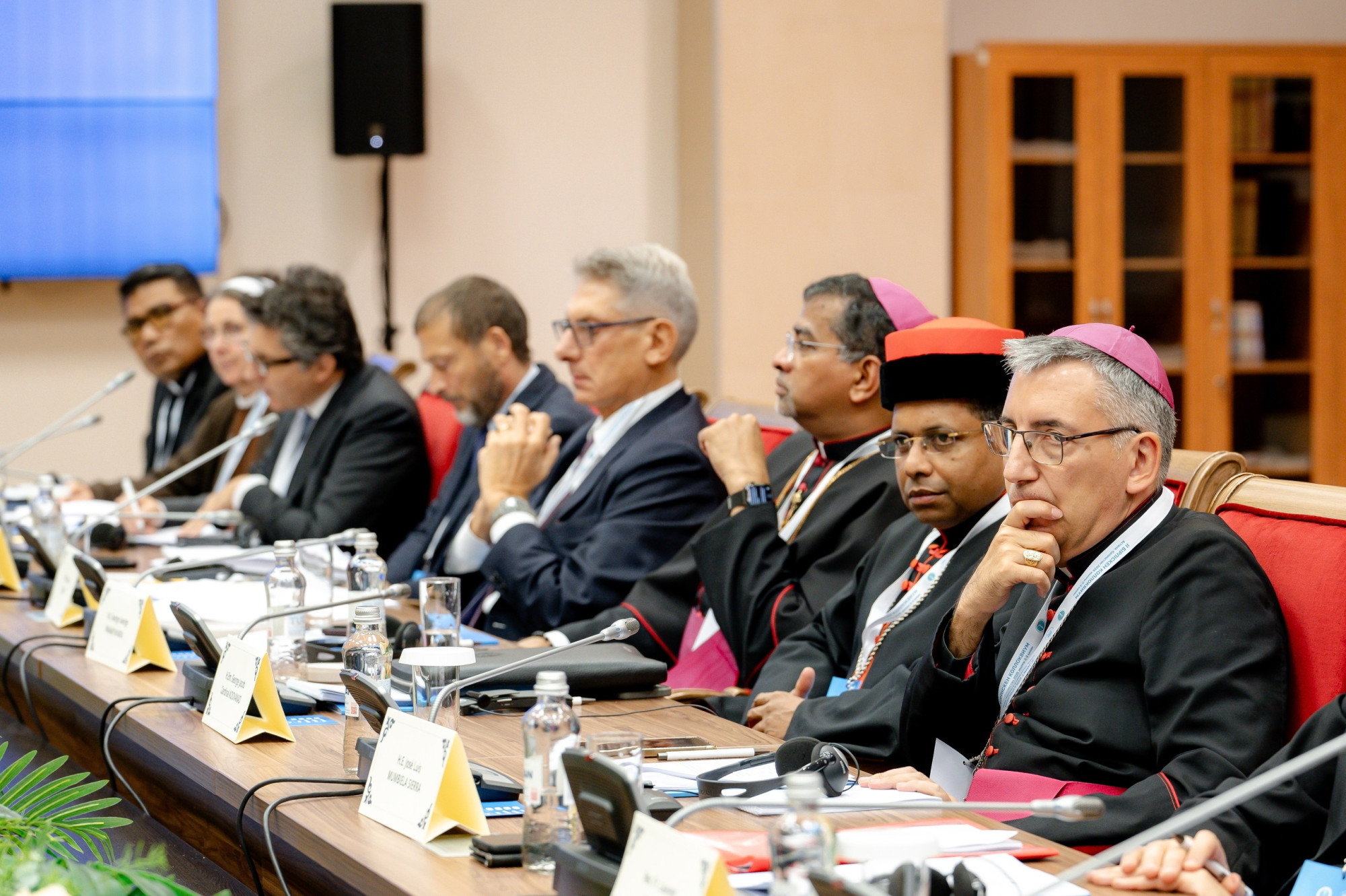
The Colloquium was also attended by representatives of government bodies of Kazakhstan and the Holy See, Bambino Gesù, UNICEF, as well as specialists in pediatrics, bioethics, theology, psychology and child rights protection.
A symbolic conclusion to the II Joint Colloquium was a memorial ceremony in honor of Pope Francis. As a sign of deep respect for his spiritual legacy and contribution to strengthening peace and interreligious dialogue, the International Center for Interfaith and Interreligious Dialogue presented an olive tree, a symbol of peace, hope and reconciliation, as a gift to the Apostolic Nunciature in the Republic of Kazakhstan.
The Kazakh side was represented at the ceremony by Gulsana Kozhabay, Chair of the Board of the International Center for Interfaith and Interreligious Dialogue, while the Holy See was represented by Cardinal George Jacob Koovakad.
The II Kazakhstan–Holy See Joint Colloquium laid the foundation for practical areas of medical, scientific and institutional cooperation, as well as for the further promotion of joint humanitarian initiatives within the framework of the Congress of the Leaders of World and Traditional Religions.