Astana Roundtable Explores Spiritual Leaders' Role in New Constitutional Reforms
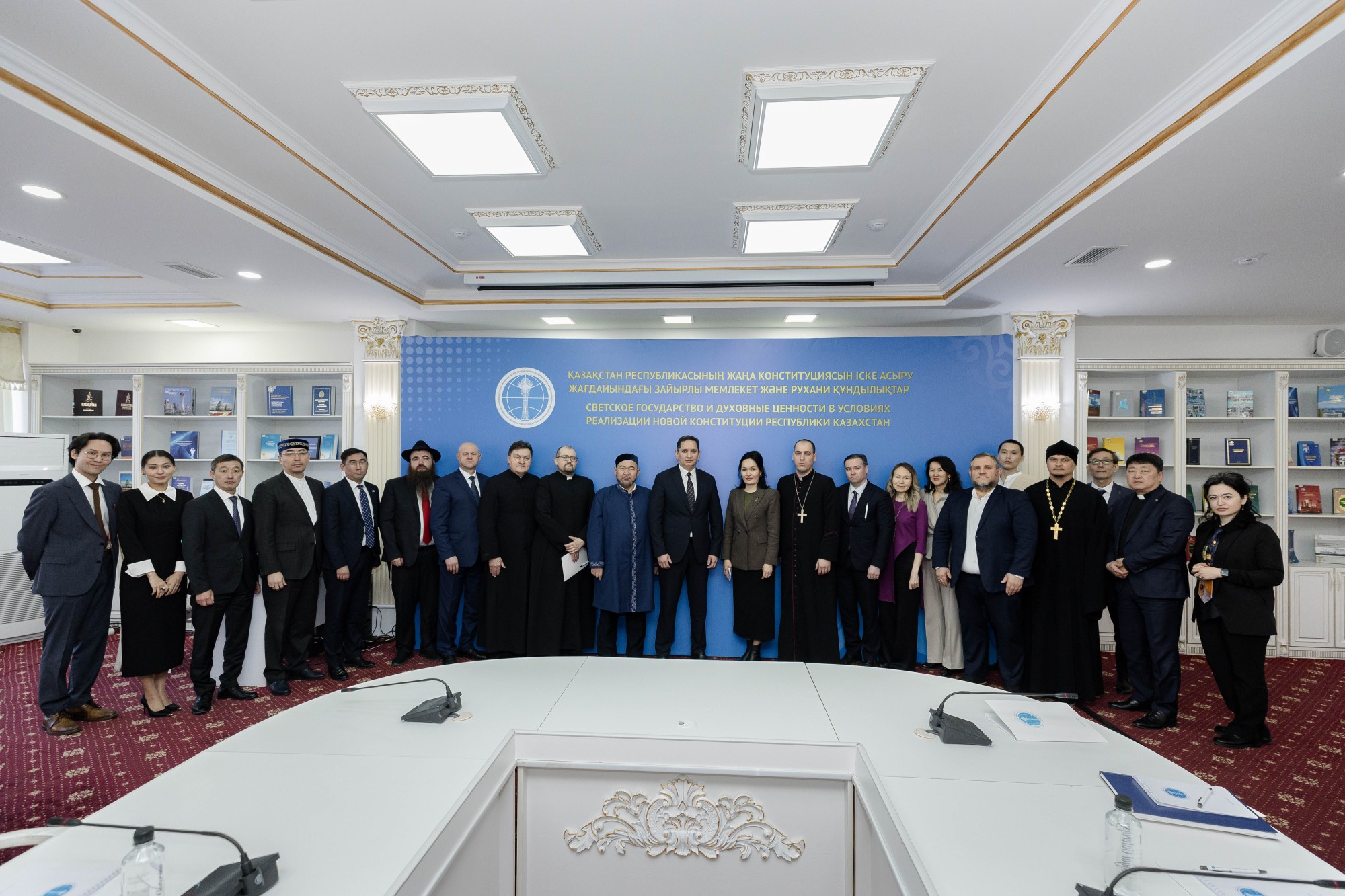
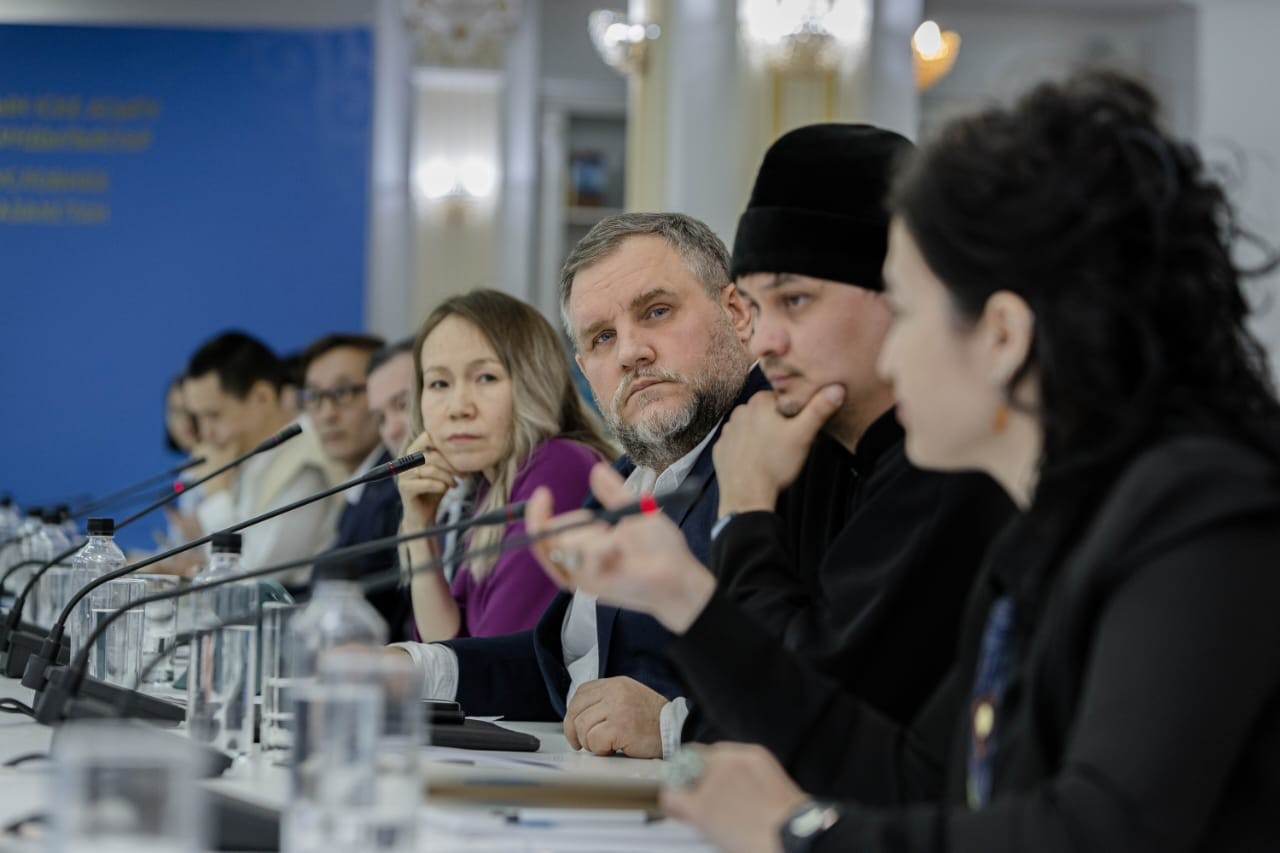
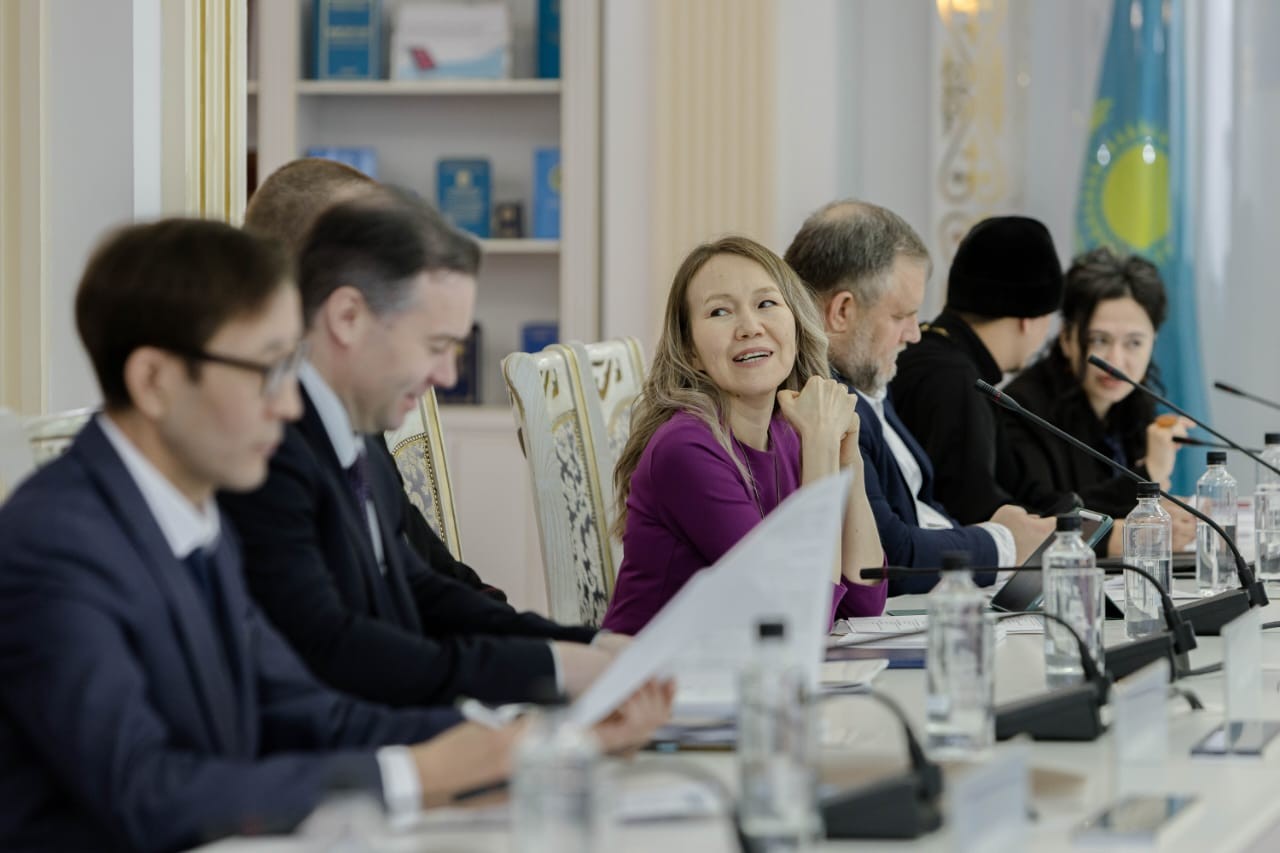
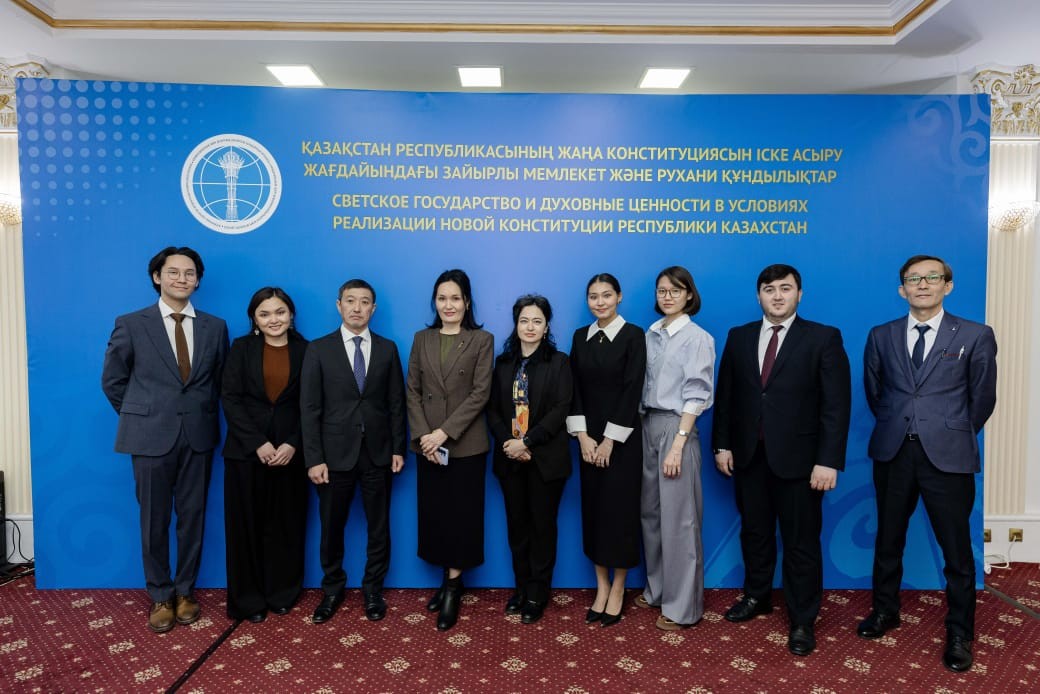
On April 17, 2026, the International Center for Interfaith and Interreligious Dialogue convened a high-level roundtable at the National Academic Library of the Republic of Kazakhstan. The forum, titled “The Secular State and Spiritual Values under the New Constitution of the Republic of Kazakhstan,” sought to engage spiritual leaders in promoting the values of the new Constitution, adopted through a nationwide referendum in March of this year. The dialogue centered on reinforcing secularism as the primary guarantor of interfaith harmony and national unity.
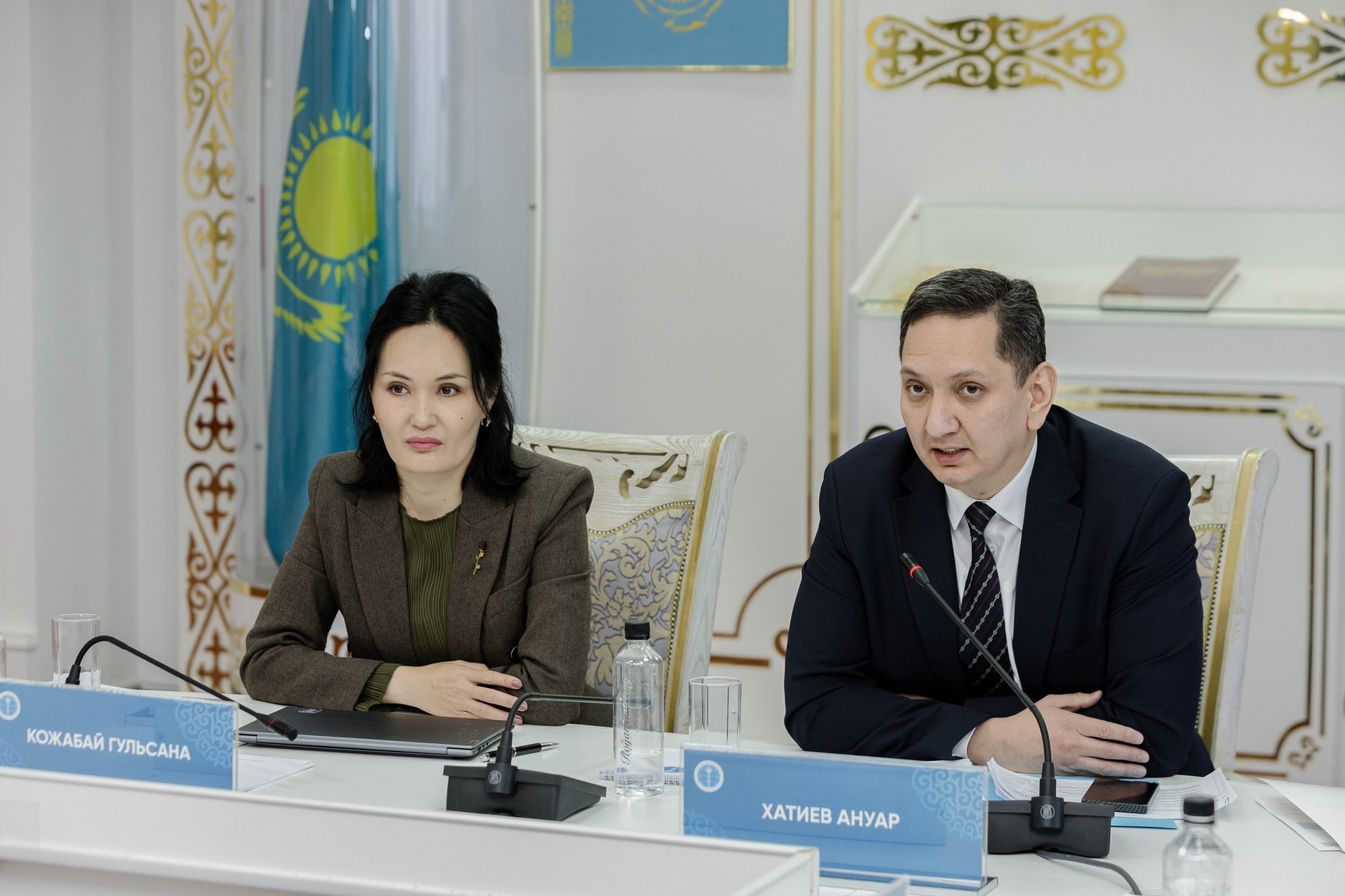
Anuar Khatiyev, Chairman of the Religious Affairs Committee of the Ministry of Culture and Information, opened the session by outlining Kazakhstan’s transition toward a “Just Kazakhstan” and highlighting the constitutional enshrinement of Article 7, which defines the institutional separation of religion and state. The Chairman emphasized that the new Constitution not only protects the rights of believers but also establishes clear frameworks for national security, guarantees non-interference in personal choice, and defines transparent legal boundaries for religious activities.
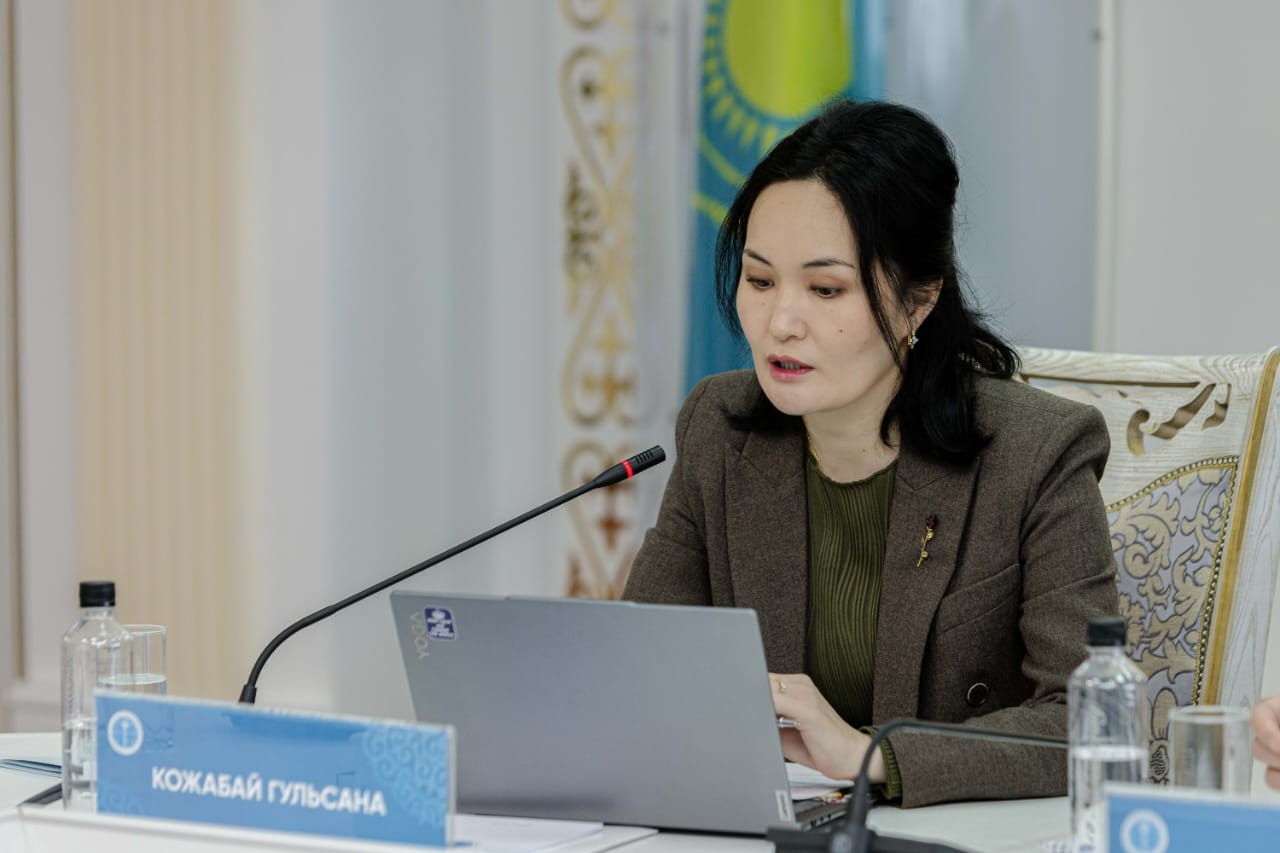
Gulsana Kozhabay, Chair of the Board of the International Center, supported Khatiyev’s remarks by framing constitutional reform as a strategic response to a volatile global landscape. Echoing Senate Speaker Maulen Ashimbayev’s vision of proactive governance, she argued that the new Constitution serves as a testament to the nation’s social maturity and a vital tool for defining its future vector while safeguarding fundamental values. Kozhabay clarified that Kazakhstan’s secularism is defined by freedom of conscience and state neutrality rather than a rejection of faith. She positioned the new legal reality as a forward-looking strategy that ensures national institutions remain resilient and adaptive to global shifts while staying anchored in the country’s spiritual foundation.
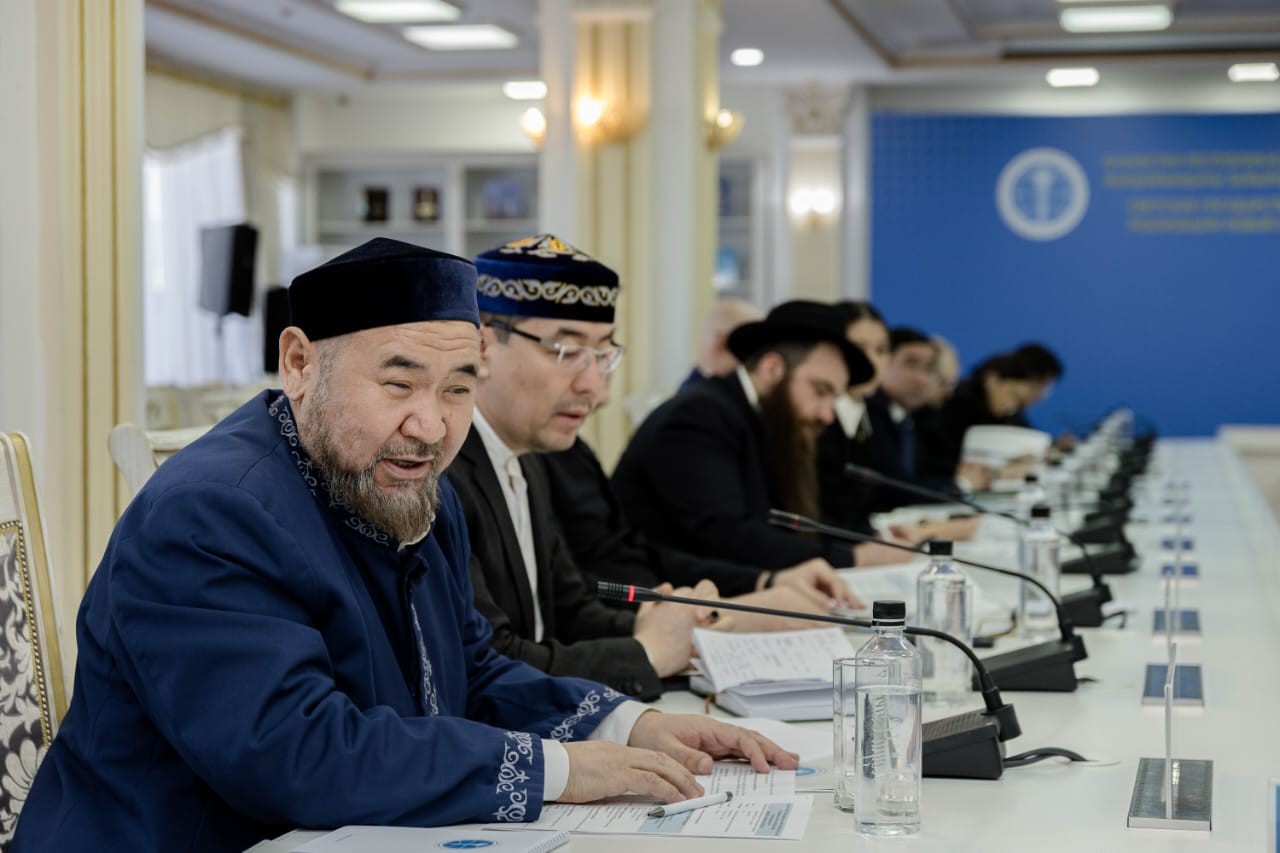
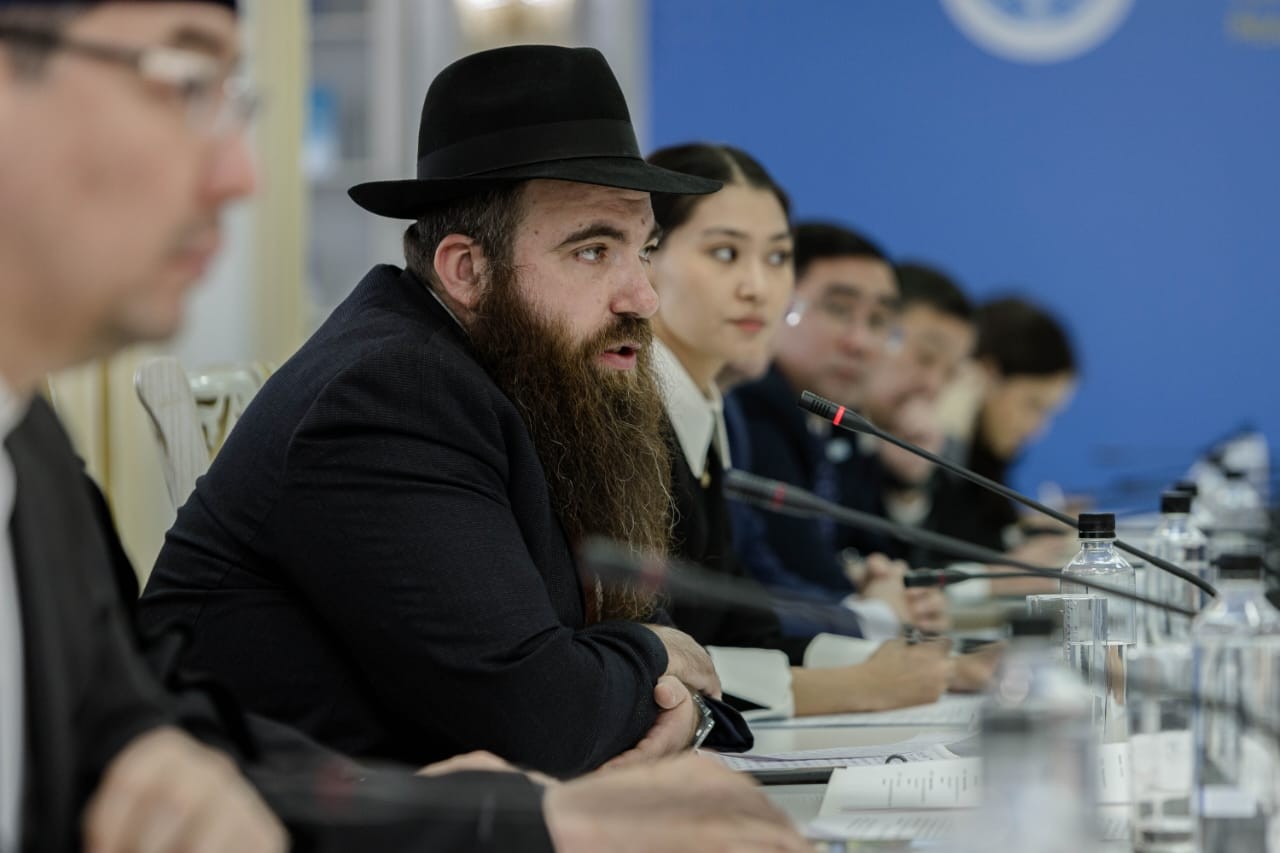
During the discussion, faith leaders provided deep insights into the constitutional reforms through the lens of their respective traditions. Deputy Chairman and Naib Mufti Sansyzbay Shokanov and Chief of Staff Gylymbek Mazhiyev of the Spiritual Administration of Muslims of Kazakhstan underscored that preserving the nation’s independence across all domains—ranging from technological sovereignty to ideological integrity—is a sacred civic duty, noting that the supremacy of national culture serves as the ultimate guarantor of social harmony. This sentiment of continuity was shared by Chief Rabbi Shmuel Karnaukh, who observed that the highest principles of ethics and justice are generational legacies forming the bedrock of any stable constitution. He added that throughout its years of independence, Kazakhstan has proven that a viable system of coexistence is realized specifically through secularism and mutual respect.
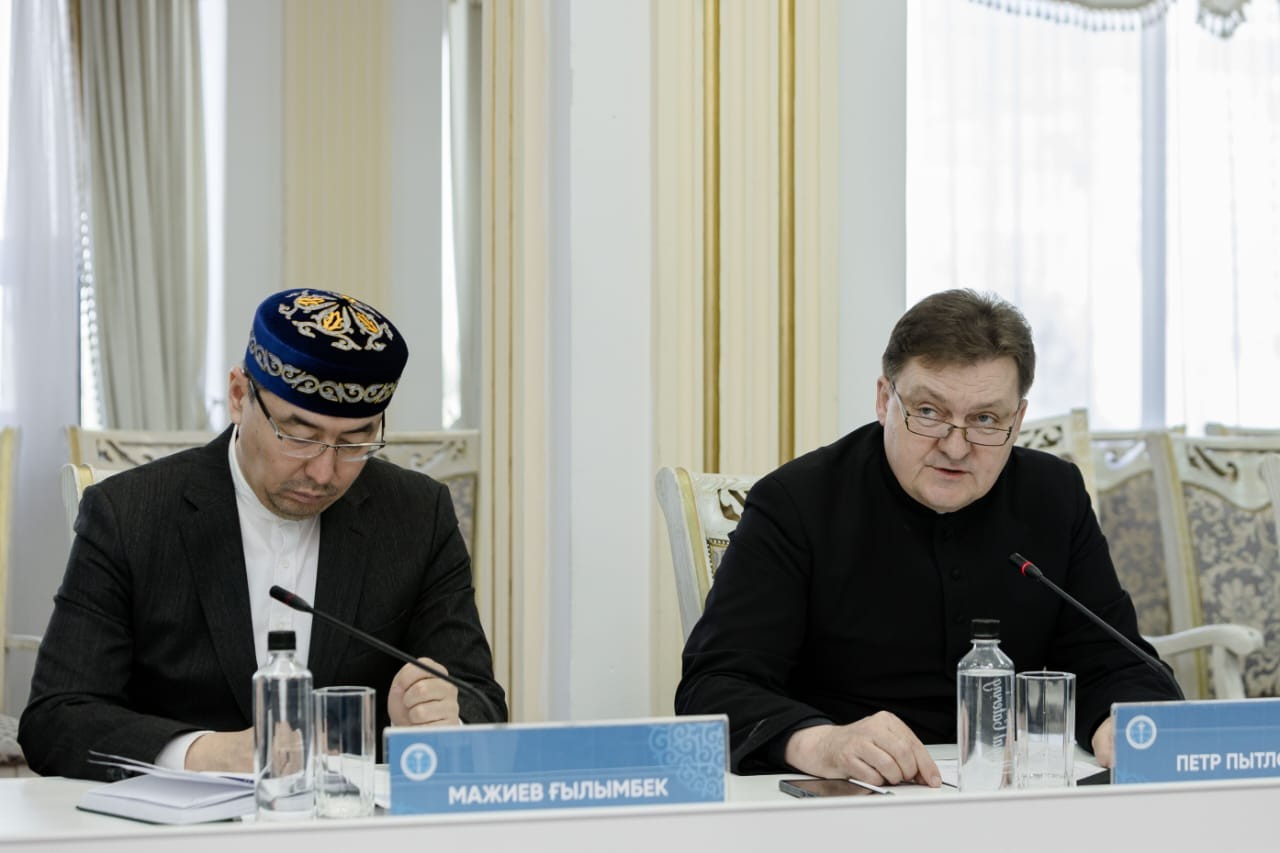
The conversation further addressed the human dimension of the law as Priest Andrey Parfenov of the Russian Orthodox Church and Monsignor Pyotr Pytlovany of the Archdiocese of Mary Most Holy highlighted the alignment between the Constitution and Christian doctrines on human dignity. Both representatives noted that “healthy secularism” complements faith by establishing the necessary conditions for the joint protection of the institution of the family. Bishop Rostislav Novgorodov, Head of the Evangelical Lutheran Church of Kazakhstan, expanded on this identified synergy, explaining that a secular state serves as a space for genuine religious self-determination where spiritual values remain universal.
The themes of practical cooperation and active citizenship were further developed by Alexander Klyushev, Head of the Association of Religious Organizations of Kazakhstan, Lyazzat Yangaliyeva of the Baha'i community, and Talgat Karipayev, Head of the Youth Wing of the ISKCON. The speakers emphasized that spiritual pillars, such as non-violence and truthfulness, provide a reliable foundation for the law. They identified the legal space of the new Constitution as a vital platform for public service, describing its effective utilization as the primary objective of every faith community today. In the context of Kazakhstan’s multi-ethnic landscape, they noted that interreligious dialogue and deep-seated trust between communities and the state transform diversity into a strategic strength. According to Klyushev, modern Kazakhstan represents a unique experience of creation in which every citizen and every confession takes a direct and active part.
Oleg Sinyakov, a leading religious studies expert, and Dulat Zhakiyanov, Department Director at the International Center, provided the technical and legal scaffolding behind the reforms. They noted that secularism provides a clear framework for distinguishing state functions from religious life, ensuring that spiritual values remain a vital part of national identity. This balance between state neutrality and the active involvement of faith communities provides a foundation for societal resilience against global challenges and radicalism.
In the ensuing discussion, representatives of all faiths confirmed their consolidated support for the constitutional reform, underscoring its role in strengthening social accord. Article 7 was highlighted as a crucial norm ensuring the balance between the secular nature of the state and freedom of worship.
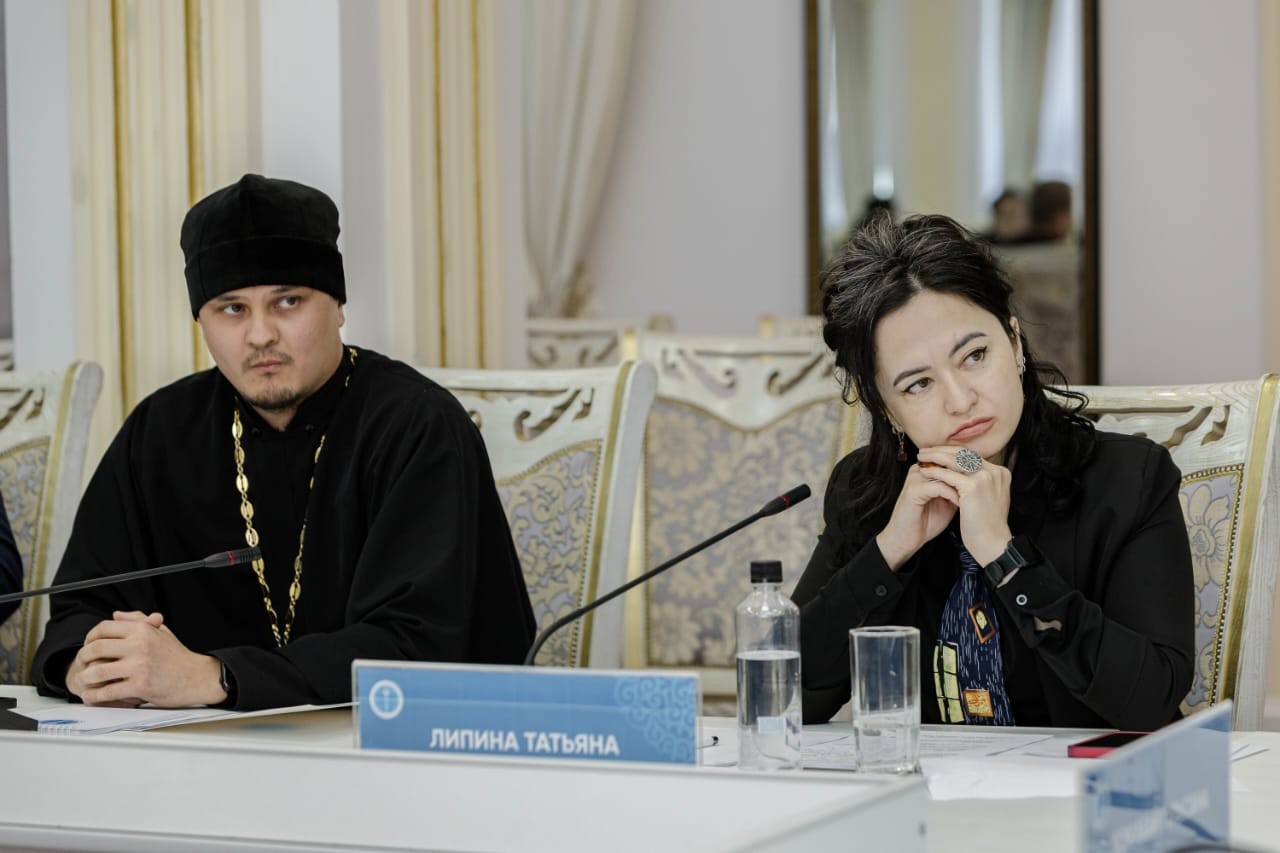
In her closing remarks, Tatyana Lipina, moderator and Deputy Chair of the International Center, noted that interfaith dialogue continues to thrive through the combined efforts of the state and civil society. She emphasized that peaceful coexistence is a milestone reached through ongoing effort, and the participation of religious leaders in such discussions reflects a shared and ongoing search for effective mechanisms of interaction.
The roundtable concluded with participants noting the significance of such platforms for open dialogue on social processes and expressing their gratitude to the Center for consistently fostering conditions for constructive engagement.