Constitutional Reform and Public Dialogue Mechanisms Discussed at Expert Forum in Astana
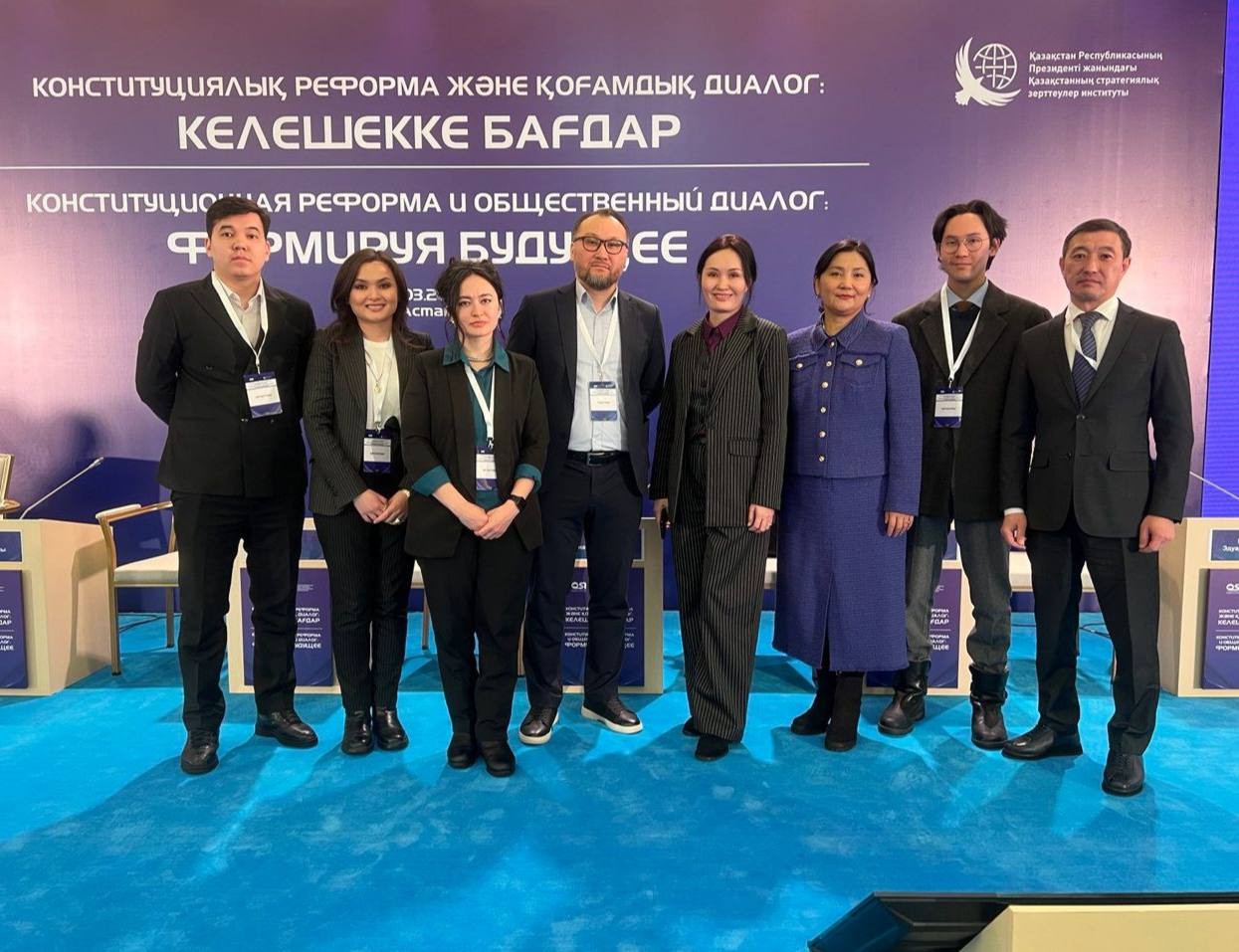
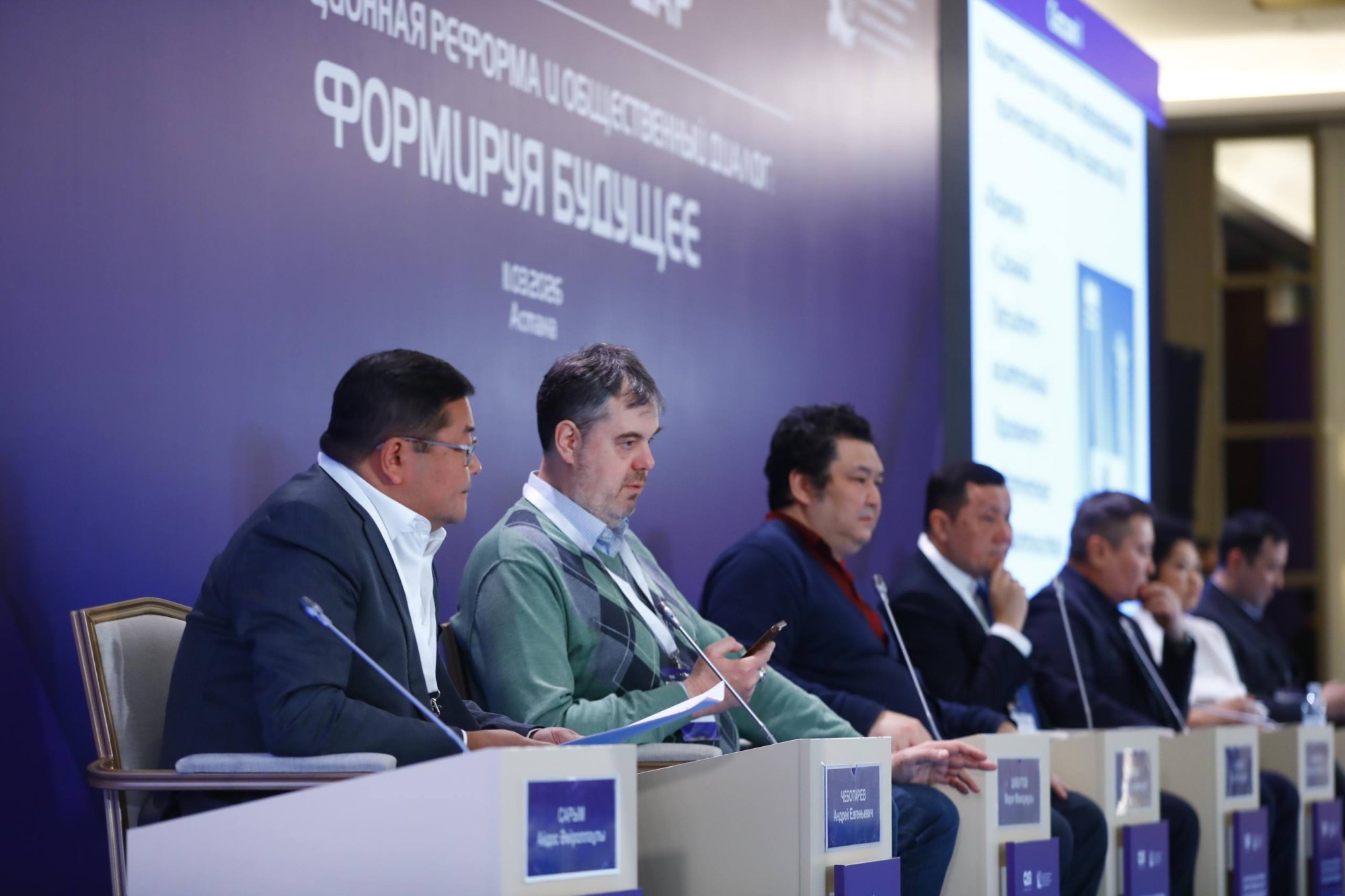
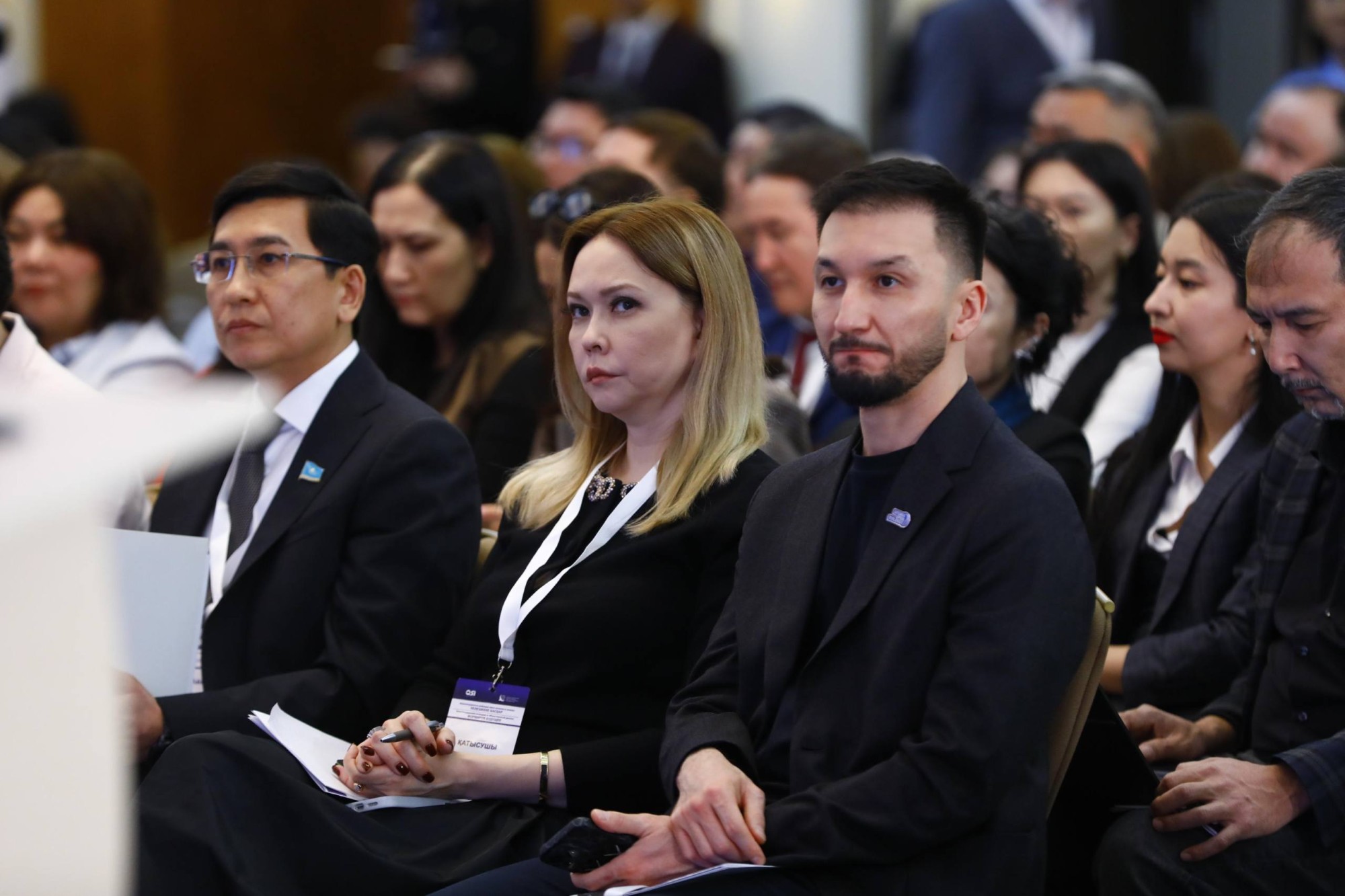
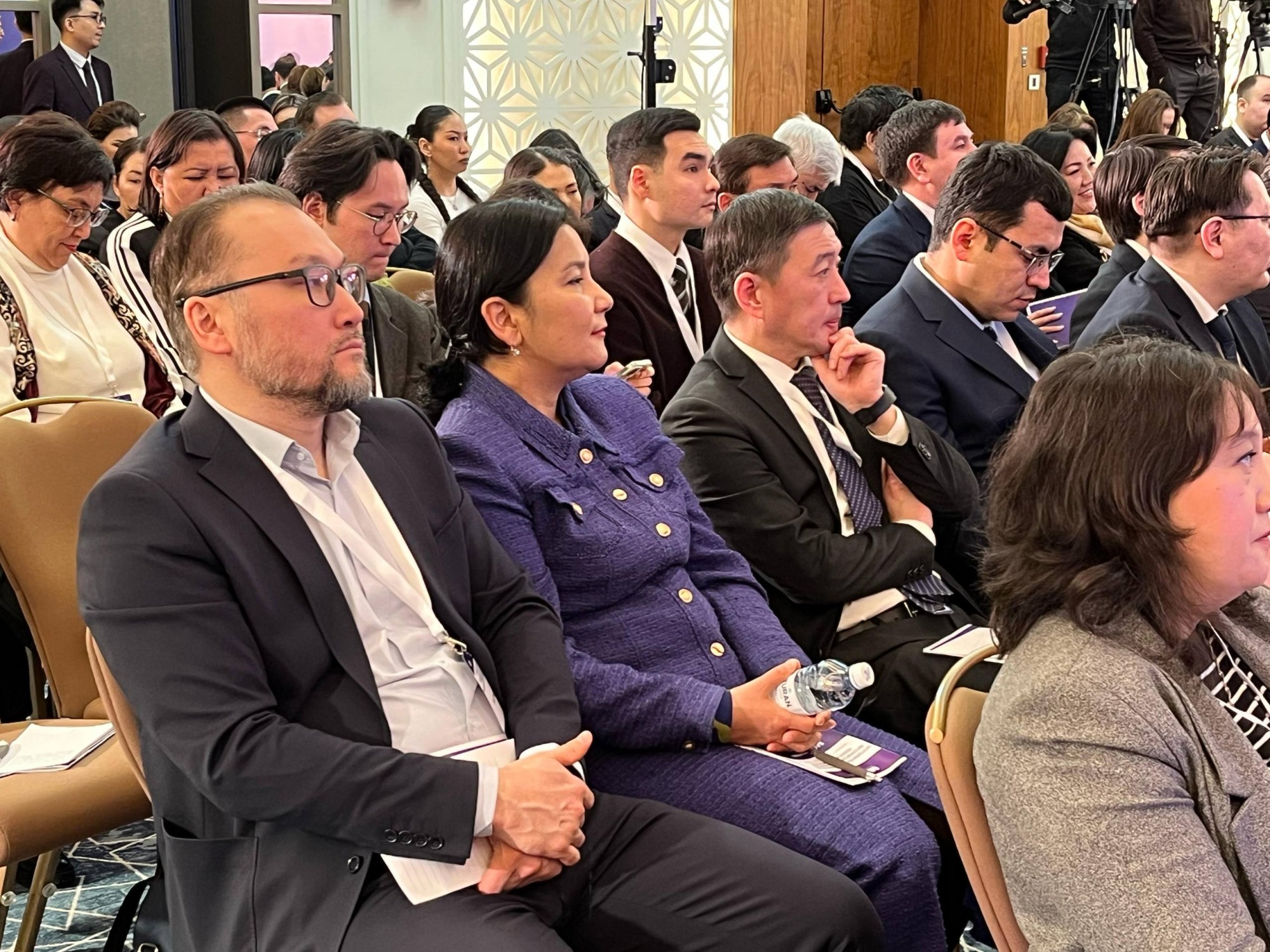
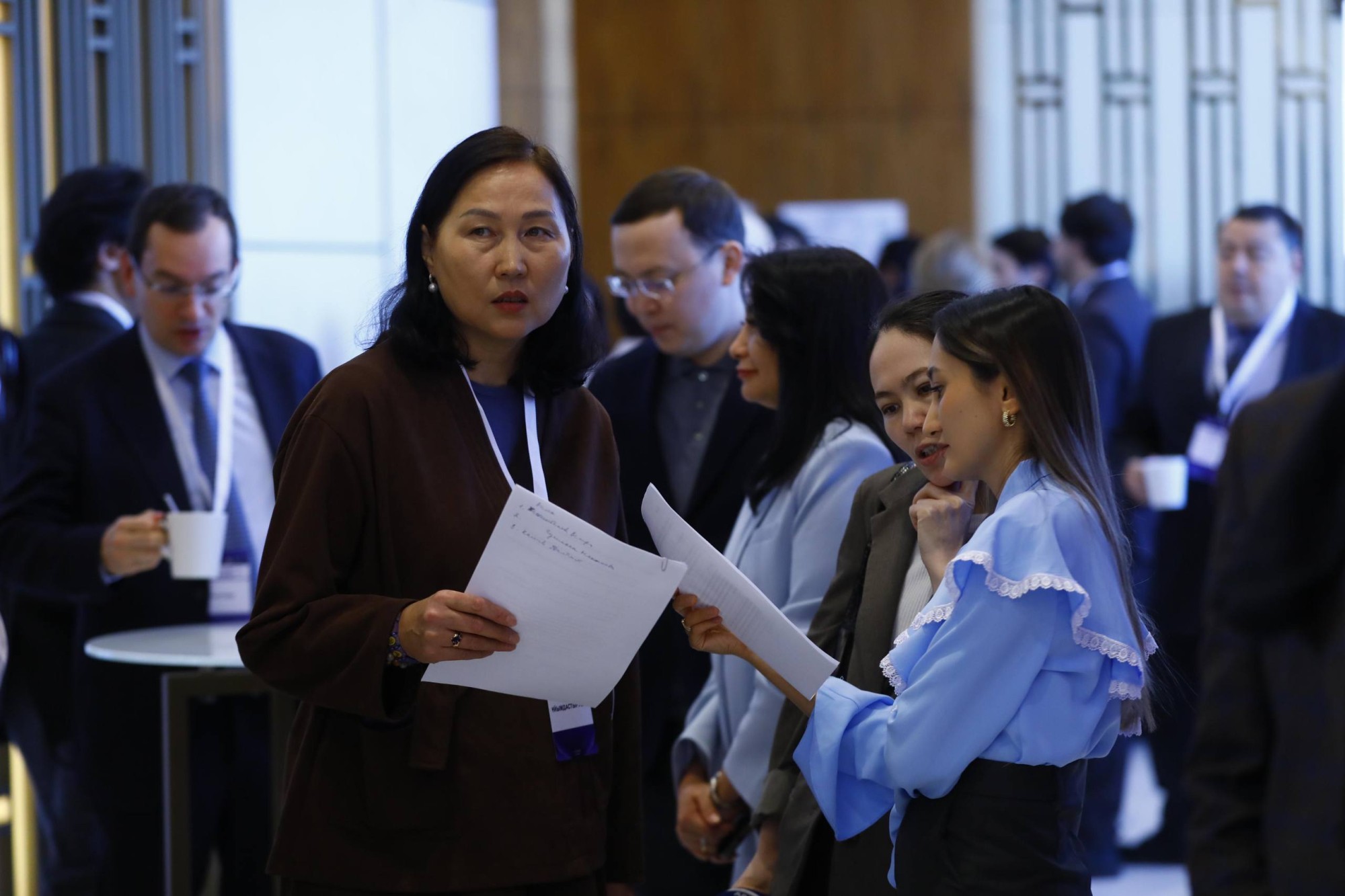
On March 11, 2026, the Kazakhstan Institute of Strategic Studies under the President of the Republic of Kazakhstan (KazISS) organized an expert panel titled “Constitutional Reform and Public Dialogue: Shaping the Future” in Astana. The event convened Members of Parliament, political scientists, academics, journalists, and public figures. The International Center for Interfaith and Interreligious Dialogue was represented by Gulsana Kozhabay, Chair of the Board, department heads and staff at the event. The proceedings were structured into two thematic sessions focusing on institutional reform, sustainable public administration, and education.
Moderated by Mazhilis Deputy Aidos Sarym, the inaugural session—titled “Institutions of the New Constitution: Building Sustainable State Architecture”—examined the transformation of Kazakhstan’s socio-political system in the context of the proposed new Constitution and the anticipated transition following its potential adoption. Experts discussed the evolution from a personalist governance model toward an institutionalized system designed to disperse executive authority. Key proposals included the introduction of a Vice-Presidential office, the systemic redistribution of responsibilities across the branches of power, and the development of public participation mechanisms, such as the People’s Council (Khalyk Kenesi), to promote a culture of pluralism and deliberative democracy.
Andrey Chebotarev, Director of the “Alternative” Research Center, provided an overview of the reform efforts. He posited that the new Constitution should form the basis for a more sustainable system of governance oriented toward pragmatic, inclusive, and gradual political modernization. Highlighting key developments, he noted the transition to a single, non-renewable seven-year presidential term and the elevated mandate of the Constitutional Court as essential mechanisms for safeguarding constitutional rights and individual liberties.
Political scientist and member of the Commission on Constitutional Reform Marat Shibutov addressed diversifying political participation, emphasizing that the reforms are intended to foster greater political competition, encourage broader participation in public life, and reduce social tensions. The expert listed the introduction of single-term limits for senior state officials as a key mechanism in the new Constitution to preclude the concentration of power and facilitate professional mobility within the civil service. Lastly, Shibutov highlighted the role of the National Kurultai and the People’s Council in ensuring the equitable representation of various social and political interest groups.
Abzal Kuspan, Deputy of the Mazhilis of the Parliament of the Republic of Kazakhstan, focused on the role of the new Constitution in adopting a human-centered approach to state administration. He emphasized that one of the primary goals of the reform is to bolster constitutional protections for civil rights and liberties. Specifically, the new Constitution enshrines the right to legal counsel upon immediate detention, setting the foundation for a fair justice system. By expanding the mandate of the Constitutional Court, the reform introduces essential checks and balances that ensure the state more effectively safeguards the rights of its citizens, the Deputy noted.
Political scientist Talgat Kaliyev spoke on the institutional resilience of the state. Amidst geopolitical turbulence, trade conflicts, and rapid technological shifts, he argued that the stability of a political system relies on the strength of its institutions. In his view, the new Constitution marks a shift away from a system centered on individual figures toward an institutional model governed by clear rules and procedures, specifically referring to the empowerment of the Parliament (Kurultai), the removal of presidential quotas, and a broader redistribution of authority. Under this framework, legislative power is concentrated in the Kurultai, while the People’s Council is designed to serve as the primary platform for representing regional, ethnic, and social interests.
Karlygash Zhamankulova, President of the “Adil Soz” International Foundation for Protection of Freedom of Speech, discussed the value-based foundations of the constitutional reform. She emphasized that state stability is largely determined by the development of institutions rooted in human dignity, social harmony, and open public dialogue. The draft Constitution, as the expert noted, prioritizes human rights and freedoms, the principle of national sovereignty, support for the family, and the development of the social state, as well as issues of human capital, environmental responsibility, and the preservation of cultural heritage.
Journalist Nurbek Matzhani addressed the evolving media landscape and freedom of expression in Kazakhstan. He noted that the new Constitution achieves a balance between free speech and the protection of individual rights. Specifically, the document establishes a direct prohibition on censorship while defining a legal framework for responsible information dissemination. Matzhani maintained that such norms provide a foundation for a pluralistic media environment where diverse viewpoints coexist while upholding respect for human dignity.
Summarizing the results of the first session, participants noted that the constitutional reform aims to create a more stable state architecture. Core themes included strengthening the institutions of power, expanding political participation, and reinforcing guarantees for civil rights and freedoms.
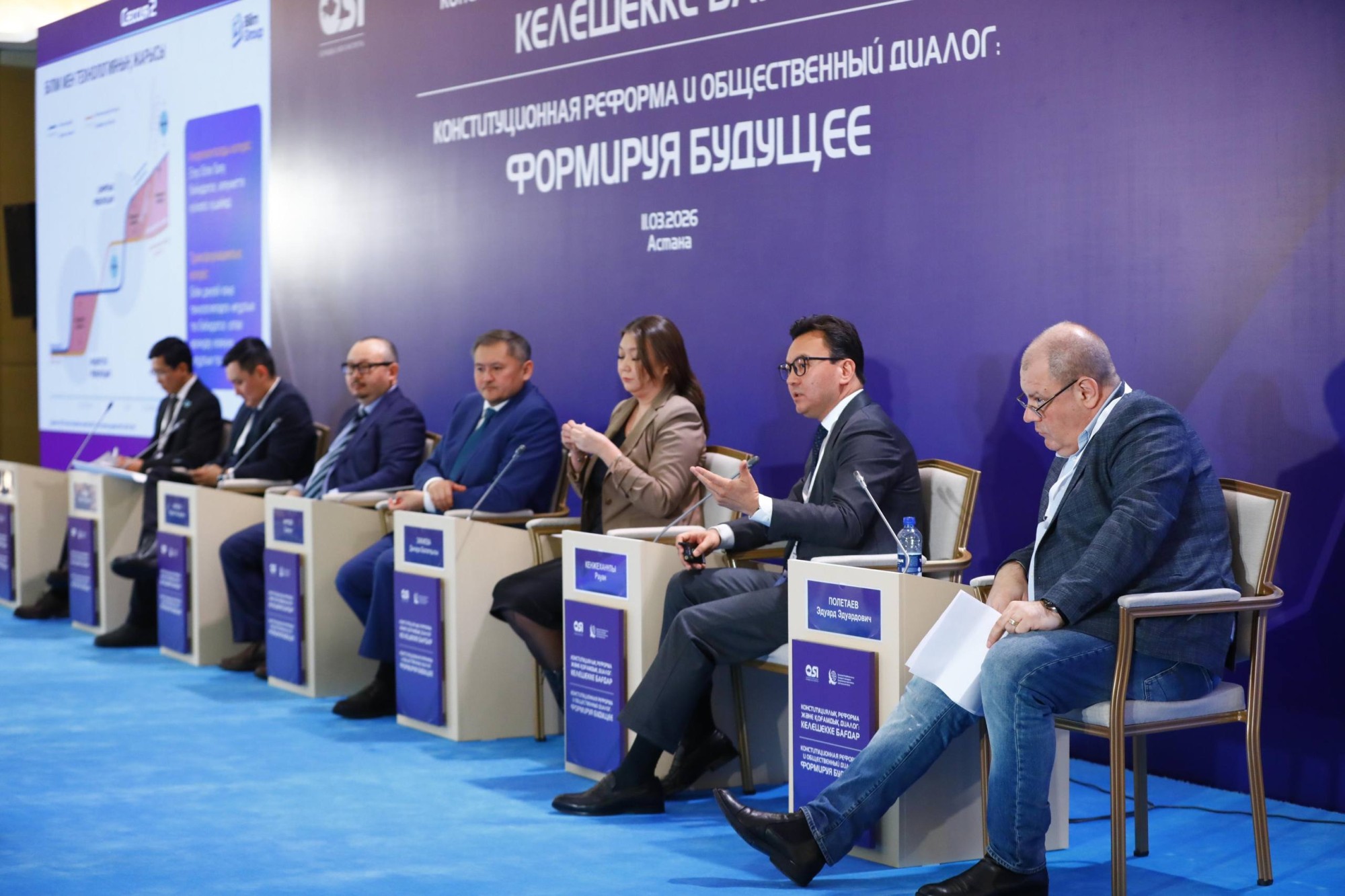
During the second session—titled “Knowledge Society: Education, Innovations, Digital Rights”—experts examined human capital, scientific advancement, and digital innovation as pivotal drivers of the constitutional reform's strategic direction. Askhat Aimagambetov, Deputy of the Mazhilis of the Parliament of the Republic of Kazakhstan, moderated the discussion.
Political observer Gaziz Abishev highlighted the formalization of secularism within the draft Constitution, which reaffirms the separation of church and state, establishes a legal framework for religious organizations, and enshrines the secular nature of the education system. Abishev noted that this approach is designed to preclude the politicization of religion, maintaining a vital balance between religious freedom and the secular foundations of the state. Kazakhstan, he underscored, maintains a long-standing tradition of respecting the religious beliefs of its citizens while equally safeguarding the right to non-religious views.
Marat Akhmadi, professor at Maqsut Narikbayev University, emphasized that human capital—comprising education levels, professional training, and innovative capacity—is the primary determinant of state power in today’s globalized economy. Echoing Akhmadi’s remarks, Sayasat Nurbek, Minister of Science and Higher Education of the Republic of Kazakhstan, noted that accelerated digital transformation intensifies existing economic and technological inequalities in the world. The speakers concurred that enshrining science, education, and innovation as constitutional priorities is of paramount significance. They framed this as a strategic pillar of state policy, providing the institutional foundation for Kazakhstan’s evolution toward a knowledge-based, diversified economy.
The Commissioner for Children’s Rights in the Republic of Kazakhstan, Dinara Zakiyeva, stated that the draft Constitution significantly strengthens the legal framework for the protection of human and children’s rights. She emphasized that child welfare is central to the nation’s development, with the Constitution providing the bedrock for all subsequent legal guarantees. The document enshrines the protection of marriage, family, and parenthood, creating a robust foundation for the delivery of social services, healthcare, and education. The Commissioner further highlighted that Kazakhstan’s child protection system is already operational, reinforced by the specialized legislation and regional departments launched in 2025.
Rauan Kenzhekhanuly, founder and head of “Bilim Group,” observed that in the contemporary global landscape, knowledge and human capital are the primary catalysts for national competitiveness. He contended that the new Constitution effectively aligns Kazakhstan with global advancements in education, science, and technology, while proactively fostering innovation and safeguarding digital rights. Furthermore, he underscored the necessity for the education system to evolve in tandem with technological shifts, ensuring that society remains resilient within a rapidly changing economy."
Eduard Poletayev, head of the “World of Eurasia” Public Fund, maintained that the new Constitution provides a strategic foundation for Kazakhstan’s evolution into a knowledge-based society. He contended that the significance of the constitutional reform transcends mere institutional shifts and the redistribution of power; rather, it establishes a long-term, values-oriented framework for both the state and its citizens. By enshrining the freedom of innovation alongside core priorities in science, education, and culture, the draft signifies a transition toward a model powered by intellectual potential and human capital. Ultimately, society’s capacity to generate and apply knowledge is positioned as a decisive factor in the nation's long-term competitiveness and stability.
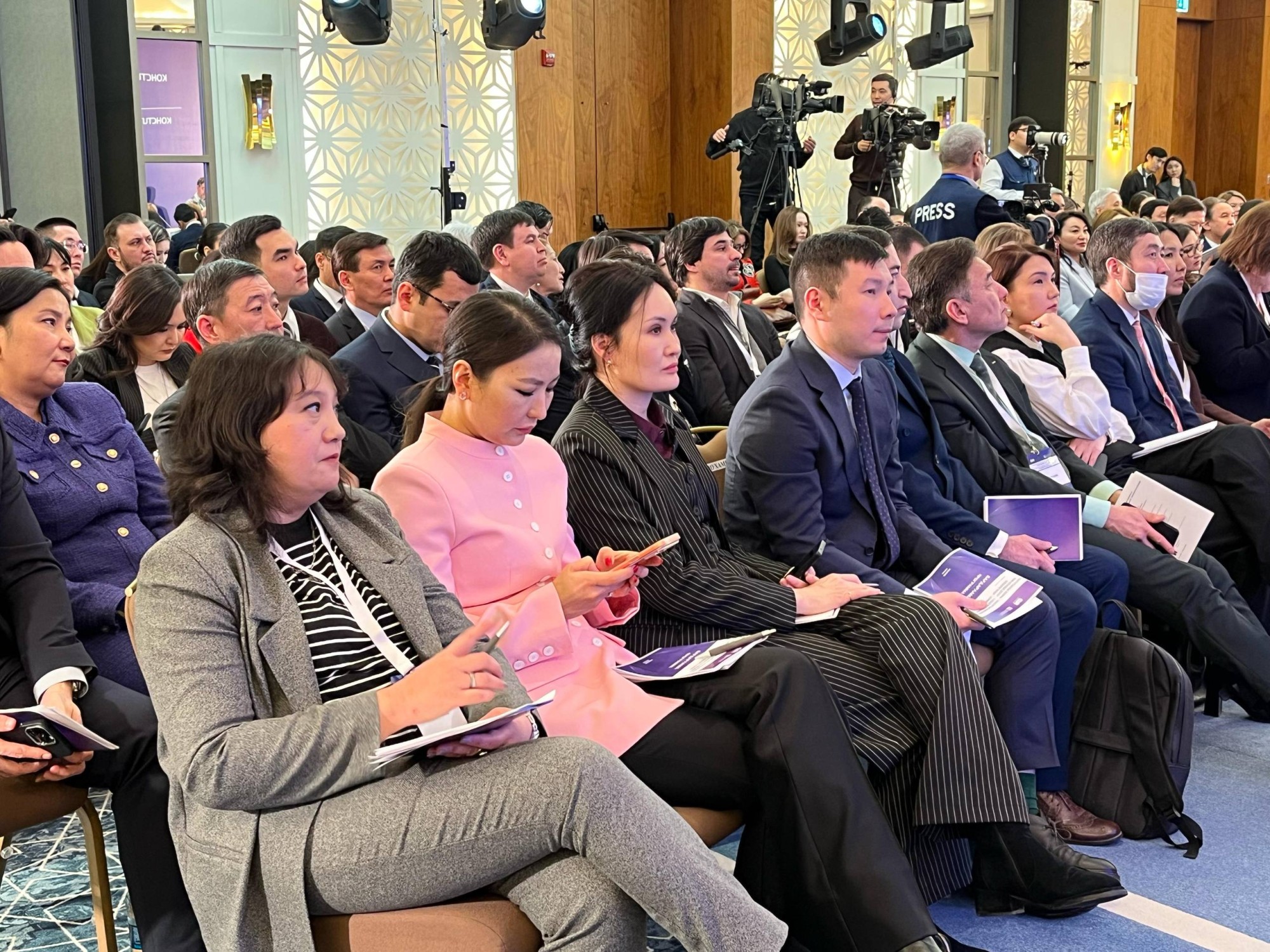
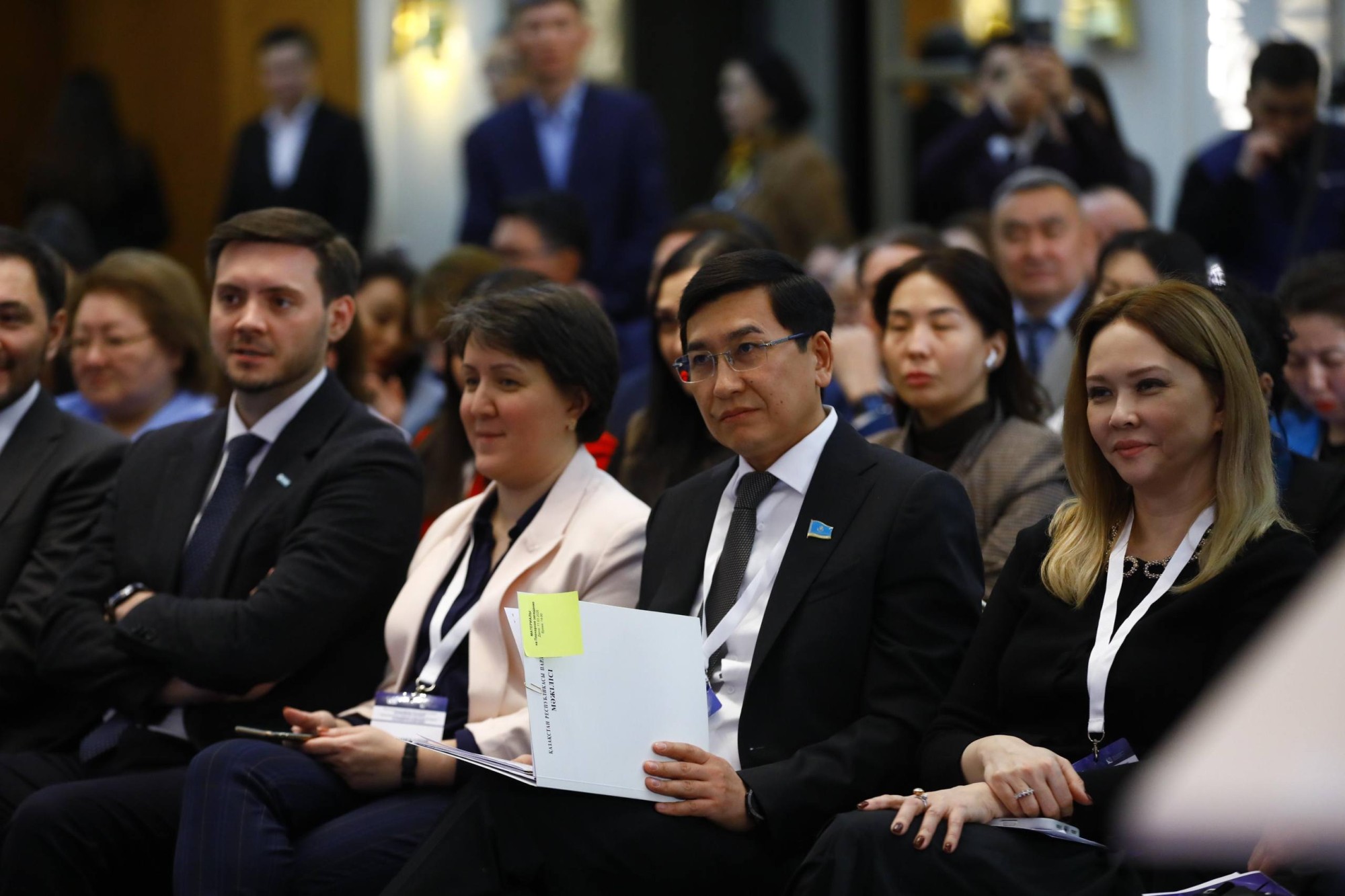
In their concluding remarks, participants commended the forum’s high-level, constructive format. By convening a diverse assembly of deputies, political scientists, academics, journalists, and civil society leaders, the event fostered an inclusive, multisectoral dialogue on the trajectory of constitutional reform and the advancement of public engagement in Kazakhstan.