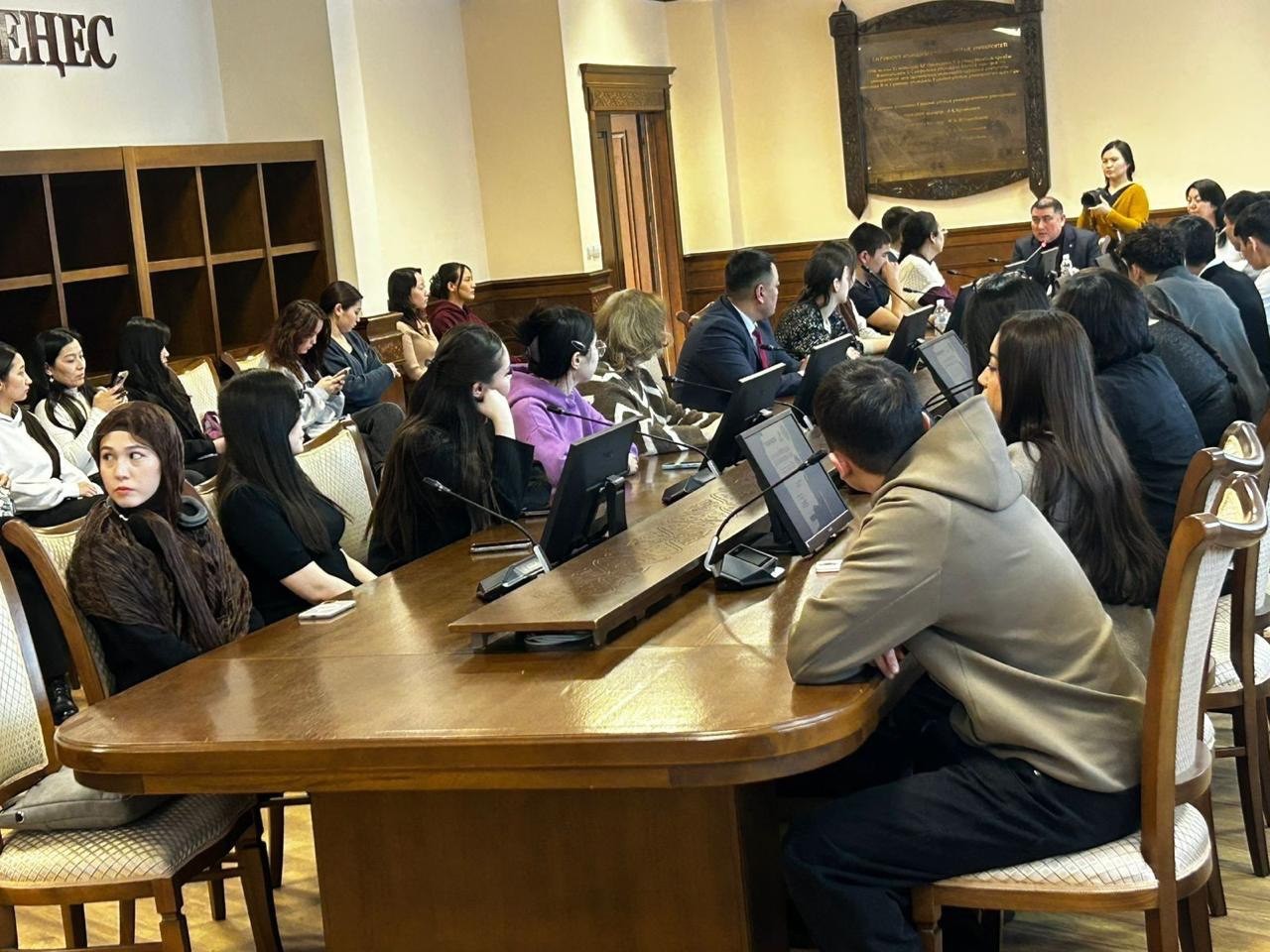
The International Center delivered a lecture at L.N. Gumilyov Eurasian National University dedicated to the Astana Peace Declaration 2025
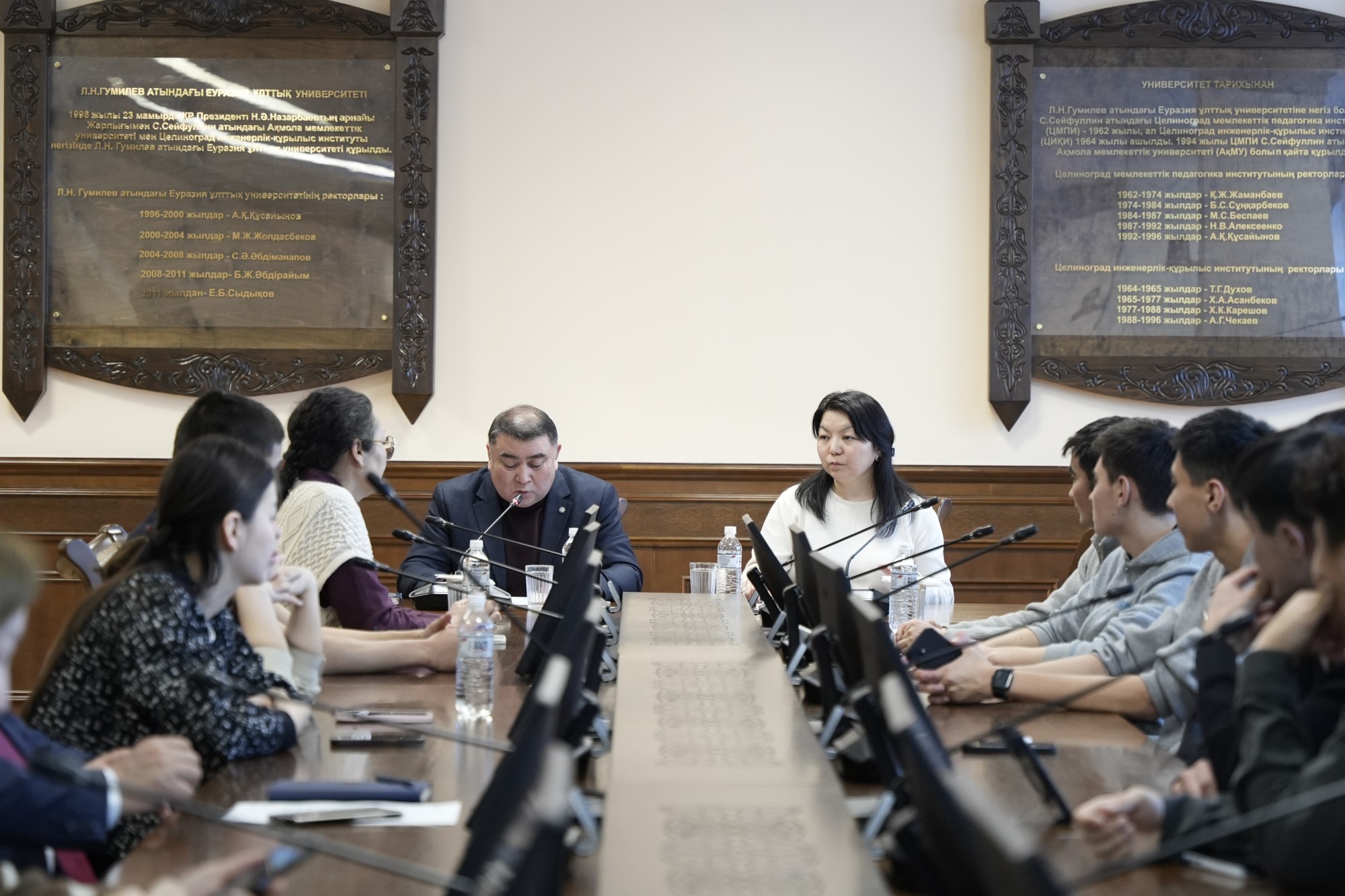
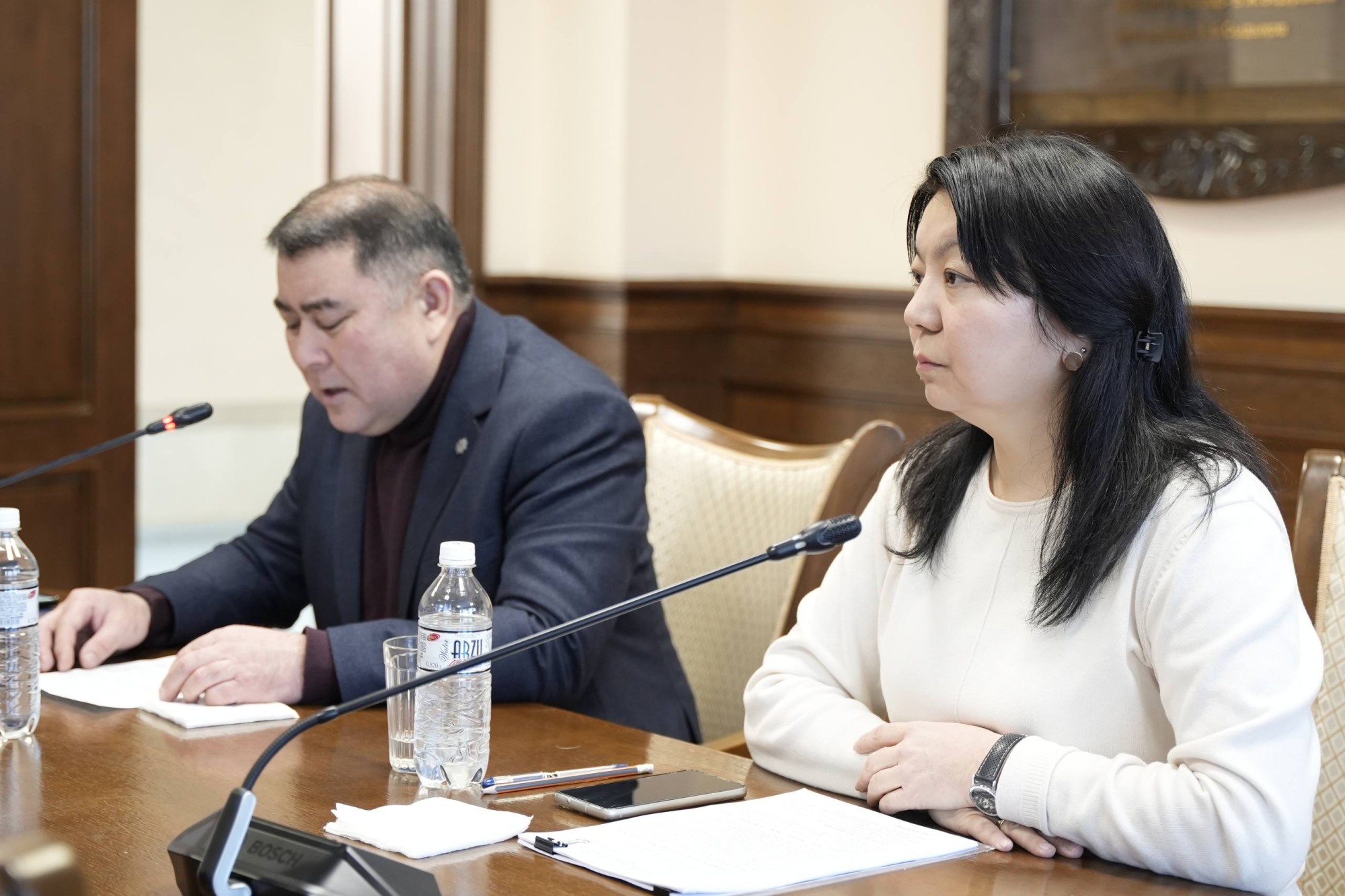
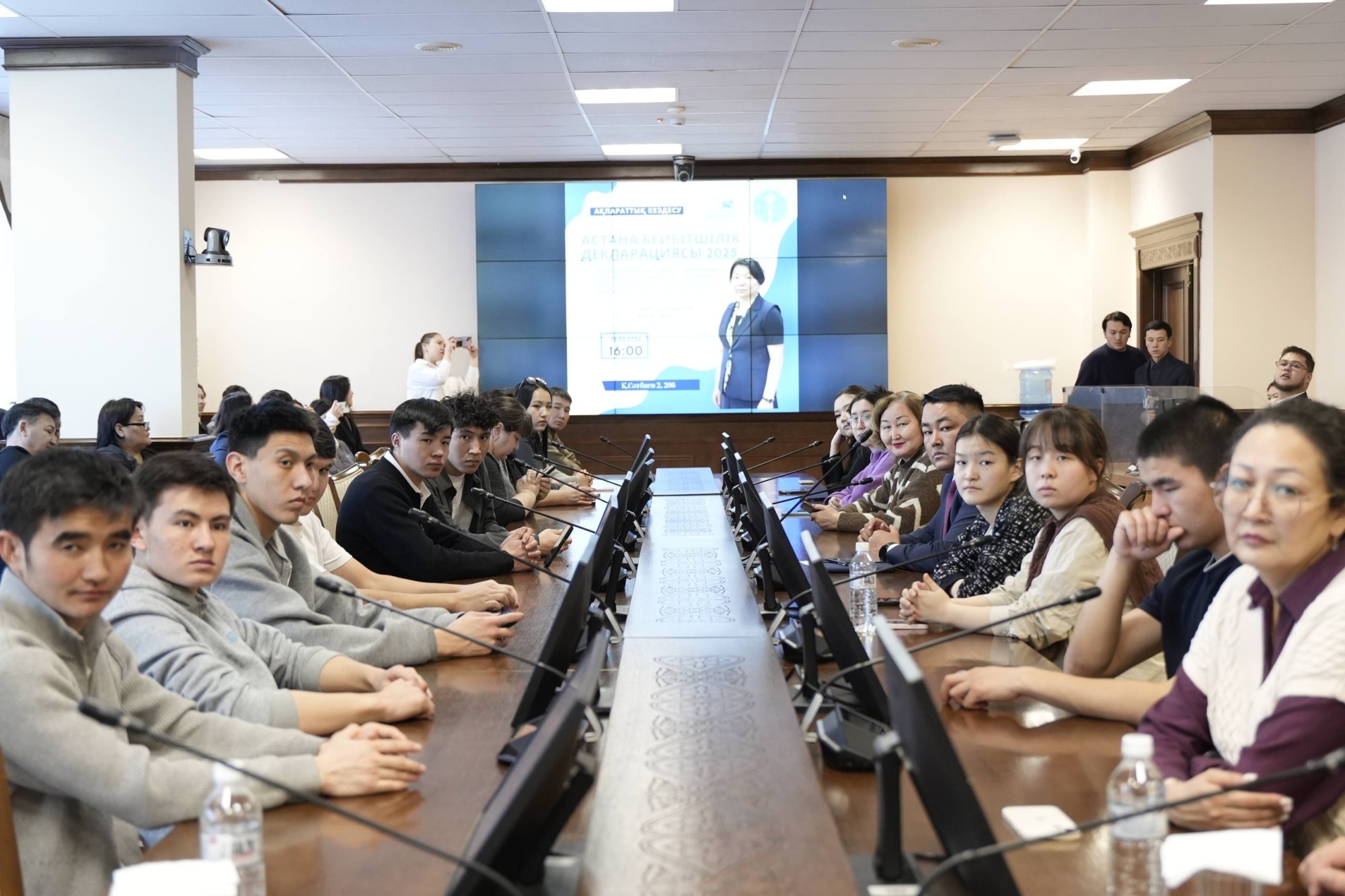
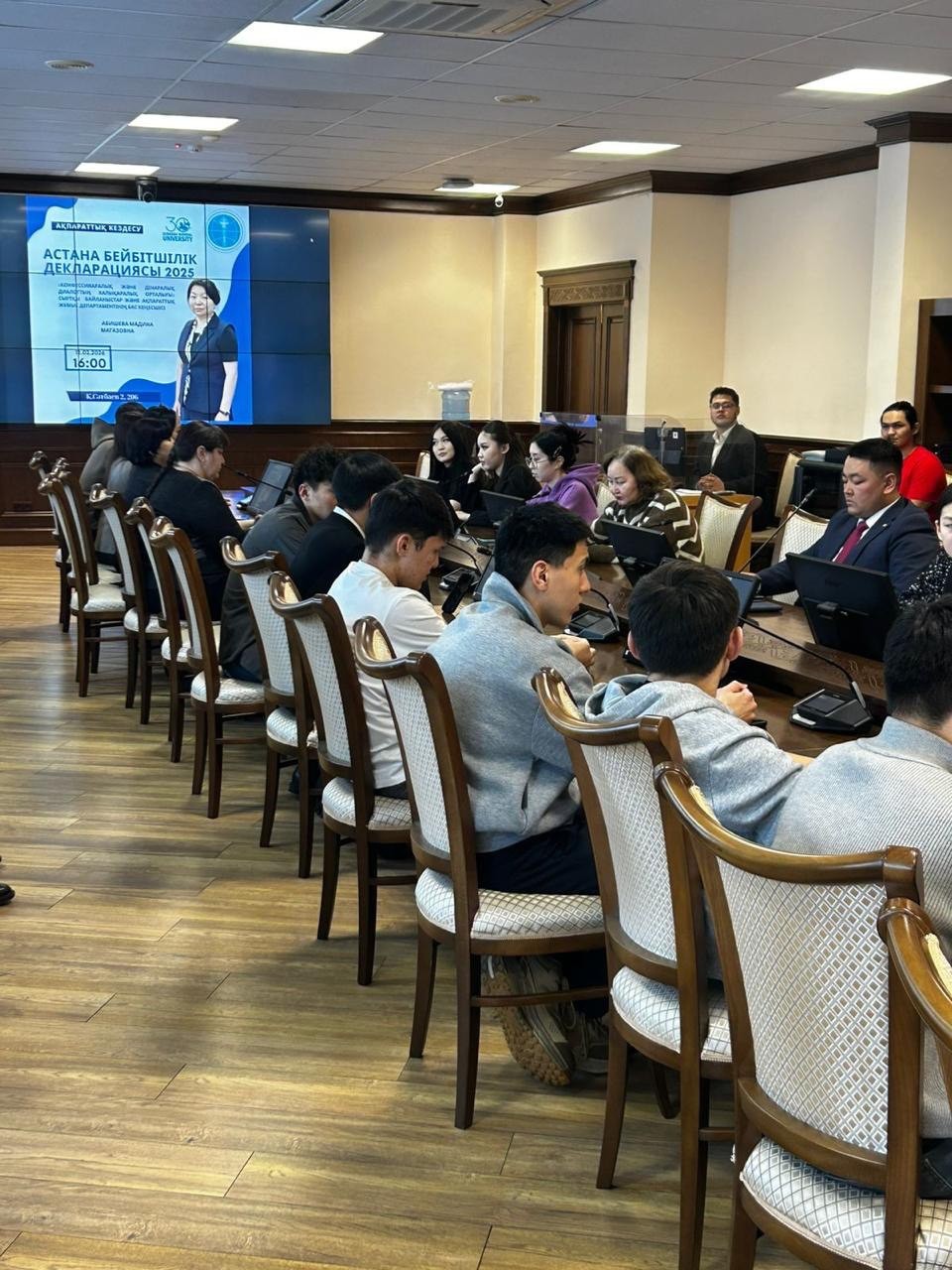
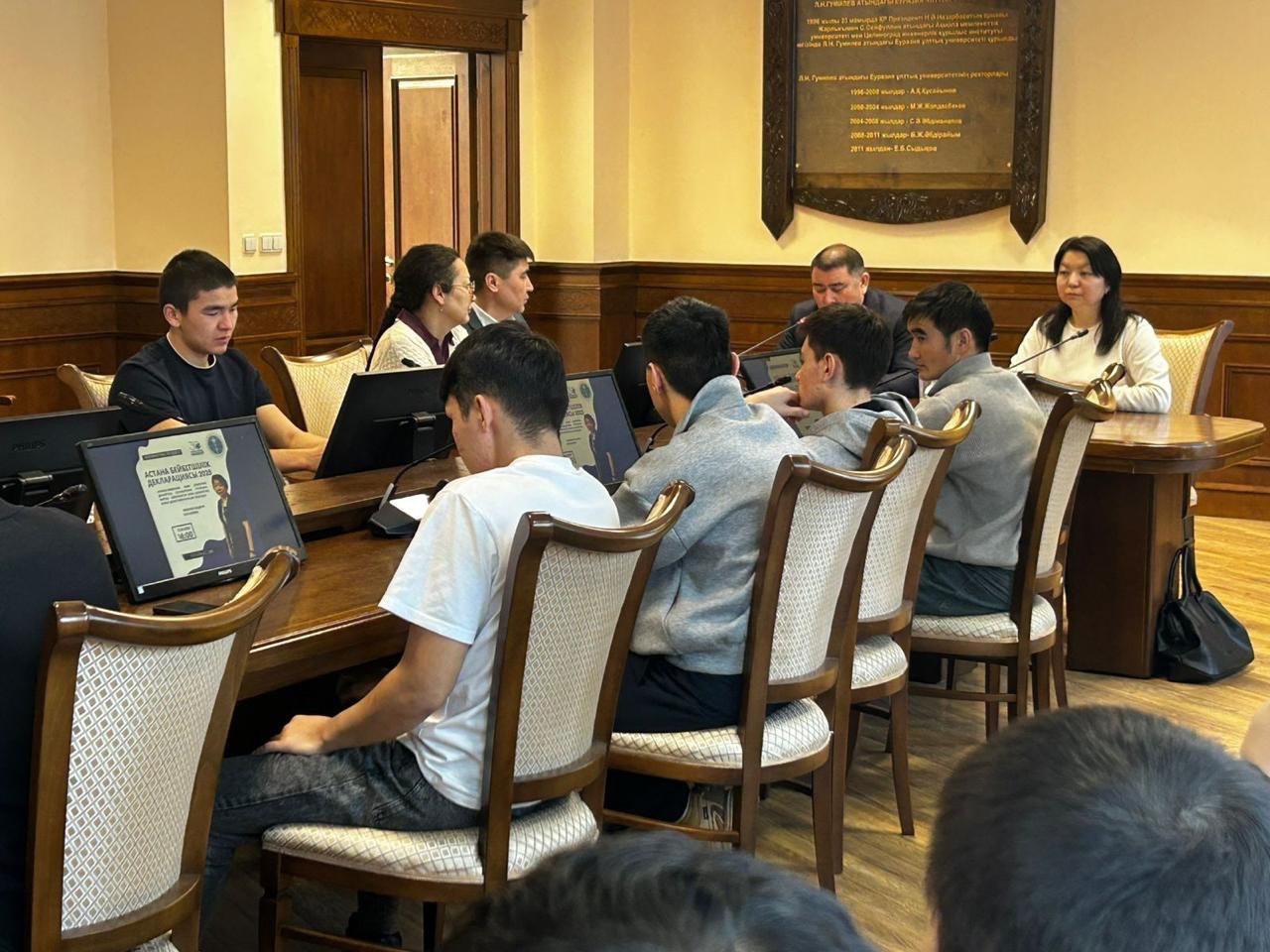
On 12 February 2026, as part of promoting the goals and objectives of the VIII Congress of the Leaders of World and Traditional Religions, the Center for Interfaith and Interreligious Dialogue organized a lecture for students and faculty members of L.N. Gumilyov Eurasian National University.
The lecture was delivered by Madina Abisheva, Senior Consultant of the Department of External Relations and Information of the Center. Representatives of 13 faculties of the university, as well as members of the academic staff, took part in the event. During the lecture, the history of the Congress of the Leaders of World and Traditional Religions, its chronology, participants, key initiatives and institutional mechanisms, as well as adopted final documents, were presented in detail. Special attention was paid to the ten-year Development Concept of the Congress approved in 2023.
In order to provide the audience with deeper and more comprehensive understanding, a thematic video was shown, followed by detailed explanations of the key provisions of the Astana Peace Declaration 2025 and its conceptual foundations.
During the lecture, the speaker noted that the delegates of the Congress unanimously supported the initiative of the President of the Republic of Kazakhstan, Kassym-Jomart Tokayev, to establish a new international movement for peace aimed at consolidating the efforts of supporters of a sustainable and just world order. The Declaration also recognizes the Republic of Kazakhstan as an important global center of intercultural and interreligious interaction.
The Declaration places special emphasis on expanding women’s participation in political and public life, the role of youth in strengthening mutual understanding between cultures and religions, as well as the need to adopt comprehensive measures to protect the environment and prevent climate disasters as a responsibility to future generations.
A separate section of the document is devoted to the development of artificial intelligence. It emphasizes that its application should serve the good of humanity, respect human dignity, and not harm society. In this regard, an initiative has been put forward to develop universal principles for the use of artificial intelligence based on spiritual and moral values.
The lecturer also elaborated on the events held within the framework of the VIII Congress, noting the importance of protecting religious sites and sacred places from destruction, developing religious education and awareness as an effective tool to counter radicalism and extremism, as well as the need to abandon nuclear weapons, which pose a threat to all humanity.
In conclusion, Ms. Abisheva noted that the Astana Peace Declaration 2025 was translated into ten official languages of the Congress and distributed through Kazakhstan’s foreign institutions as an official document of the 80th session of the UN General Assembly. The lecture became a platform for meaningful dialogue, contributing to strengthening the culture of interreligious mutual understanding, tolerance, and civic responsibility among students.