Brief Description
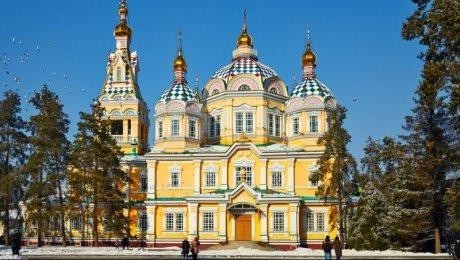
The Ascension Cathedral is one of the most significant architectural and spiritual landmarks of Kazakhstan. Known for its impressive wooden construction without the use of nails, it stands as a masterpiece of engineering and religious heritage. The cathedral is a symbol of faith, cultural unity, and resilience.
Location
Country: Kazakhstan
City: Almaty
Address: 56, Zenkov Street, Panfilov Park
Historical Background
Construction Period: 1904–1907
Architect: Andrei Zenkov
Architectural Style: Russian Orthodox architecture with elements of traditional wooden construction.
The Ascension Cathedral, also known as Zenkov Cathedral, was built entirely of wood and famously withstood the devastating Almaty earthquake of 1911, a remarkable testament to its design and structural integrity.
During the Soviet era, the building was repurposed as a museum and cultural center. It was later restored and returned to the Russian Orthodox Church in the 1990s.
Religious Significance
The cathedral is an active place of worship of the Russian Orthodox Church and serves as one of the main centers of Orthodoxy in Kazakhstan. It symbolizes spiritual endurance and the revival of religious life after decades of secularization.
Cultural and Touristic Significance
The Ascension Cathedral is a major tourist attraction and cultural monument in Almaty. Its vibrant colors, intricate wooden carvings, and golden domes make it one of the most photographed landmarks in the city. It represents harmony between architectural beauty and natural surroundings, standing amid the green alleys of Panfilov Park.
Current Status
The cathedral is officially listed as a national cultural and historical monument of Kazakhstan. It is regularly maintained, open to parishioners and tourists, and used for church services, weddings, and religious festivals. Restoration works have preserved its original design, making it a living testament to Kazakhstan’s architectural and spiritual heritage.