The International Center took part in a roundtable discussion on the draft constitutional reform
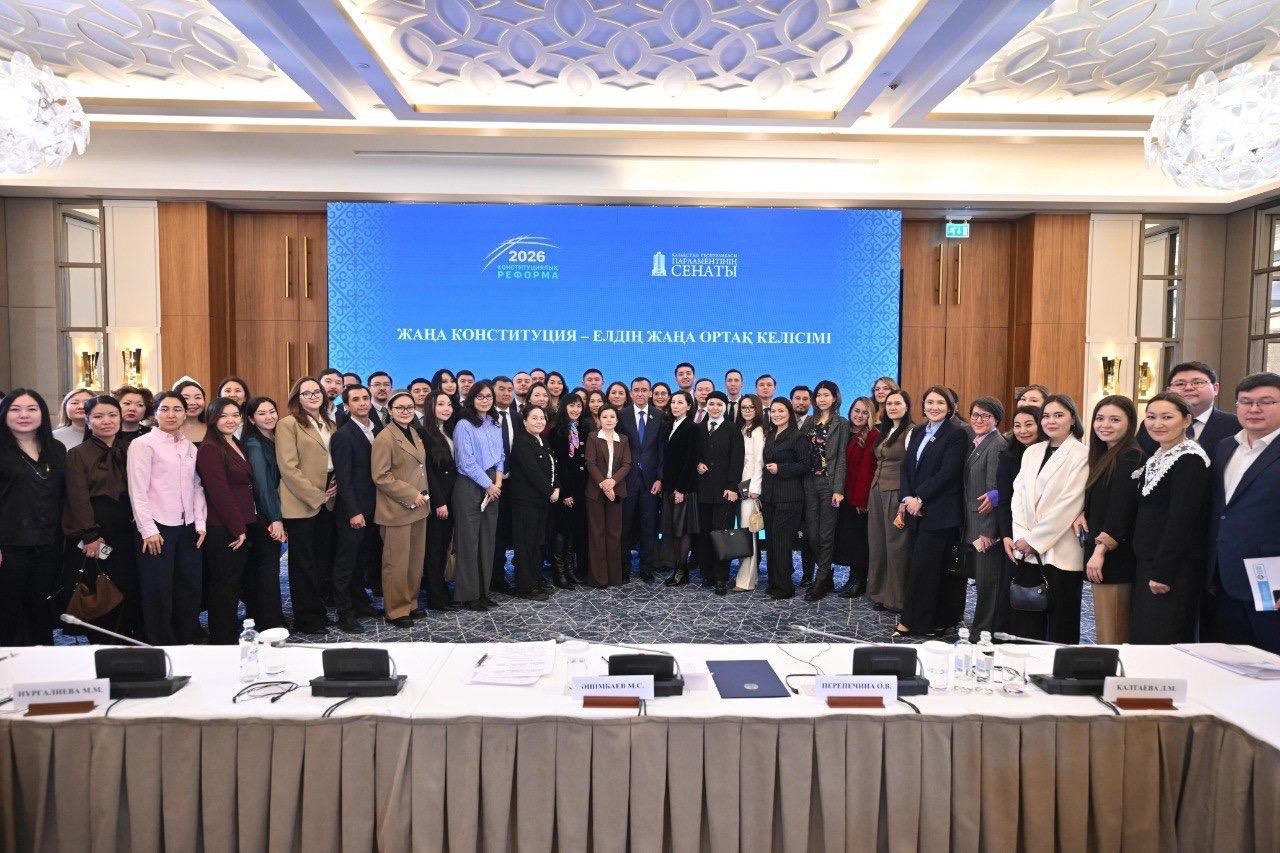
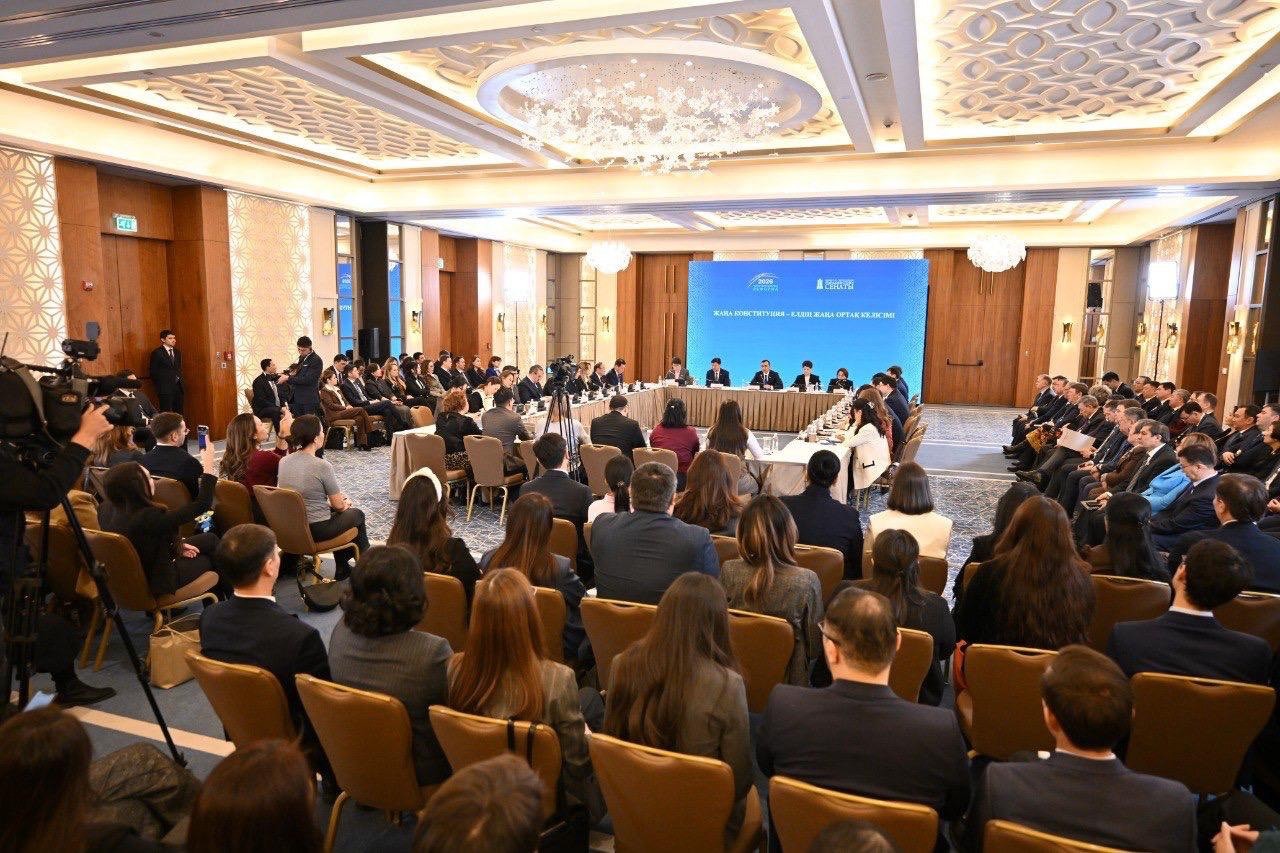
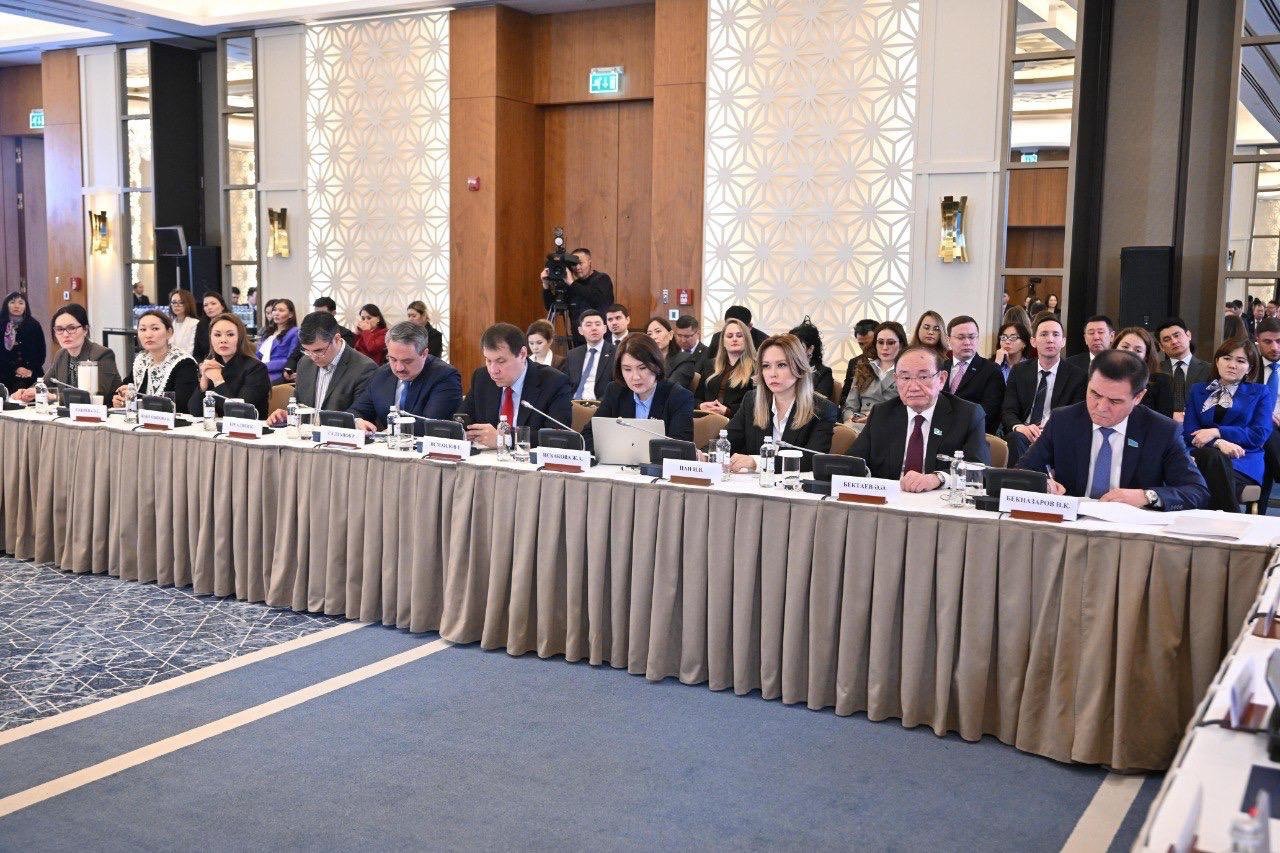
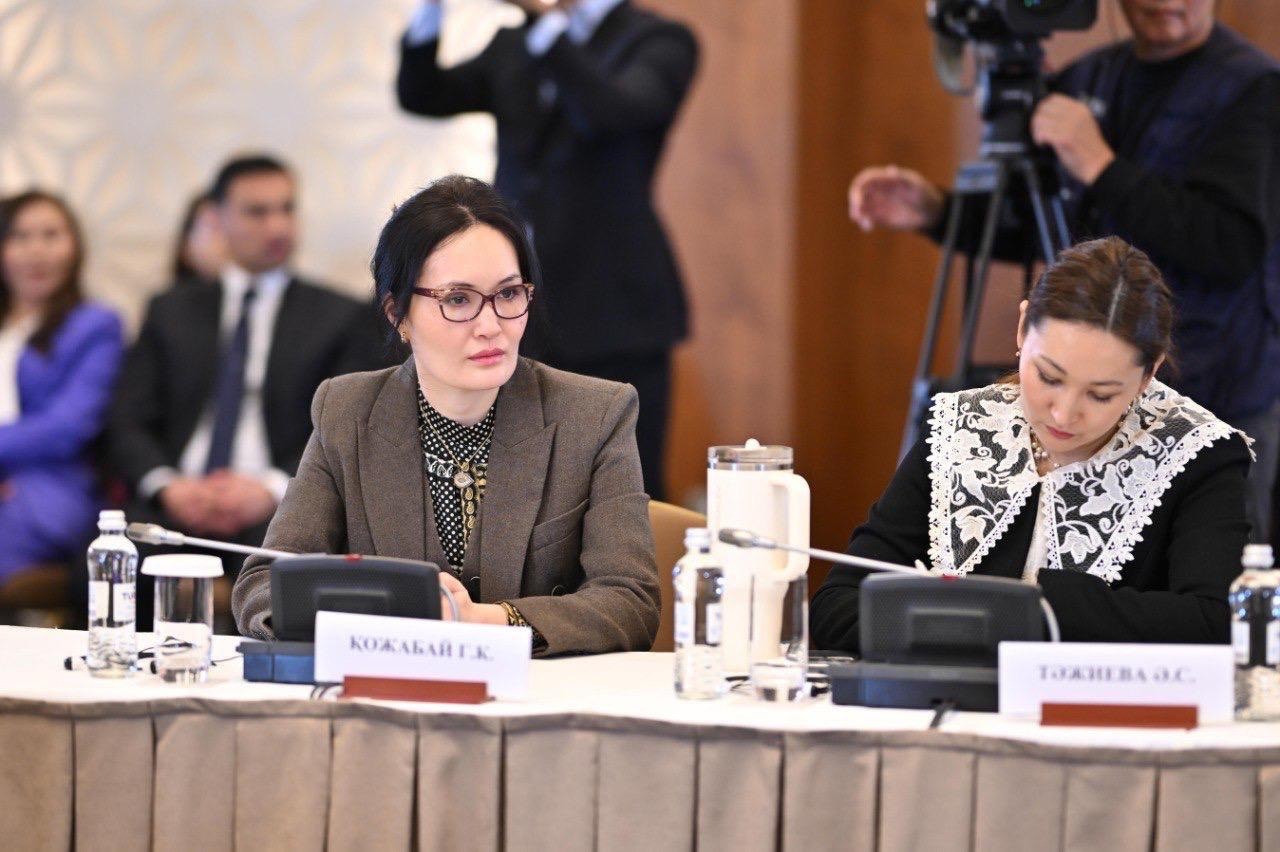
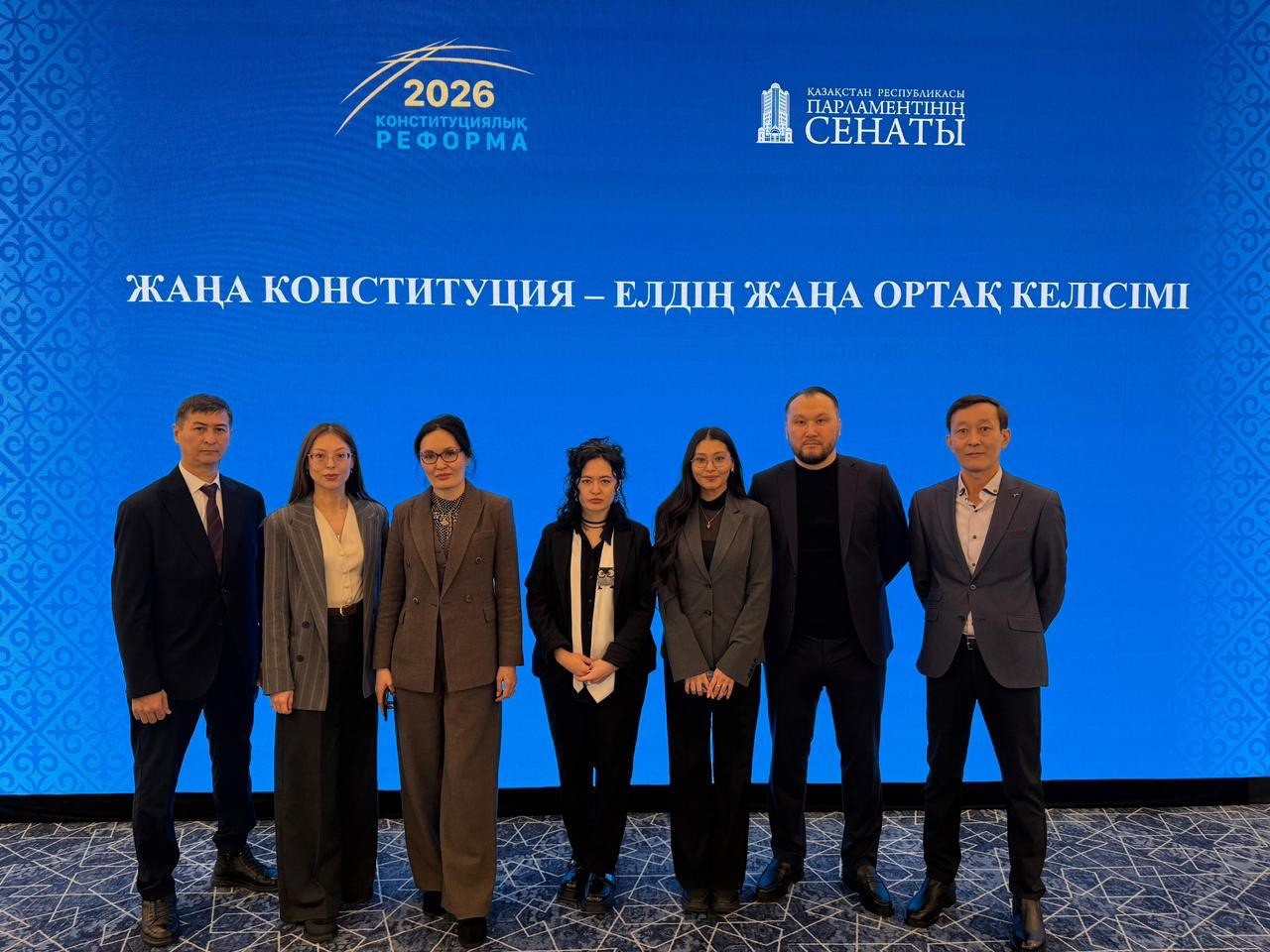
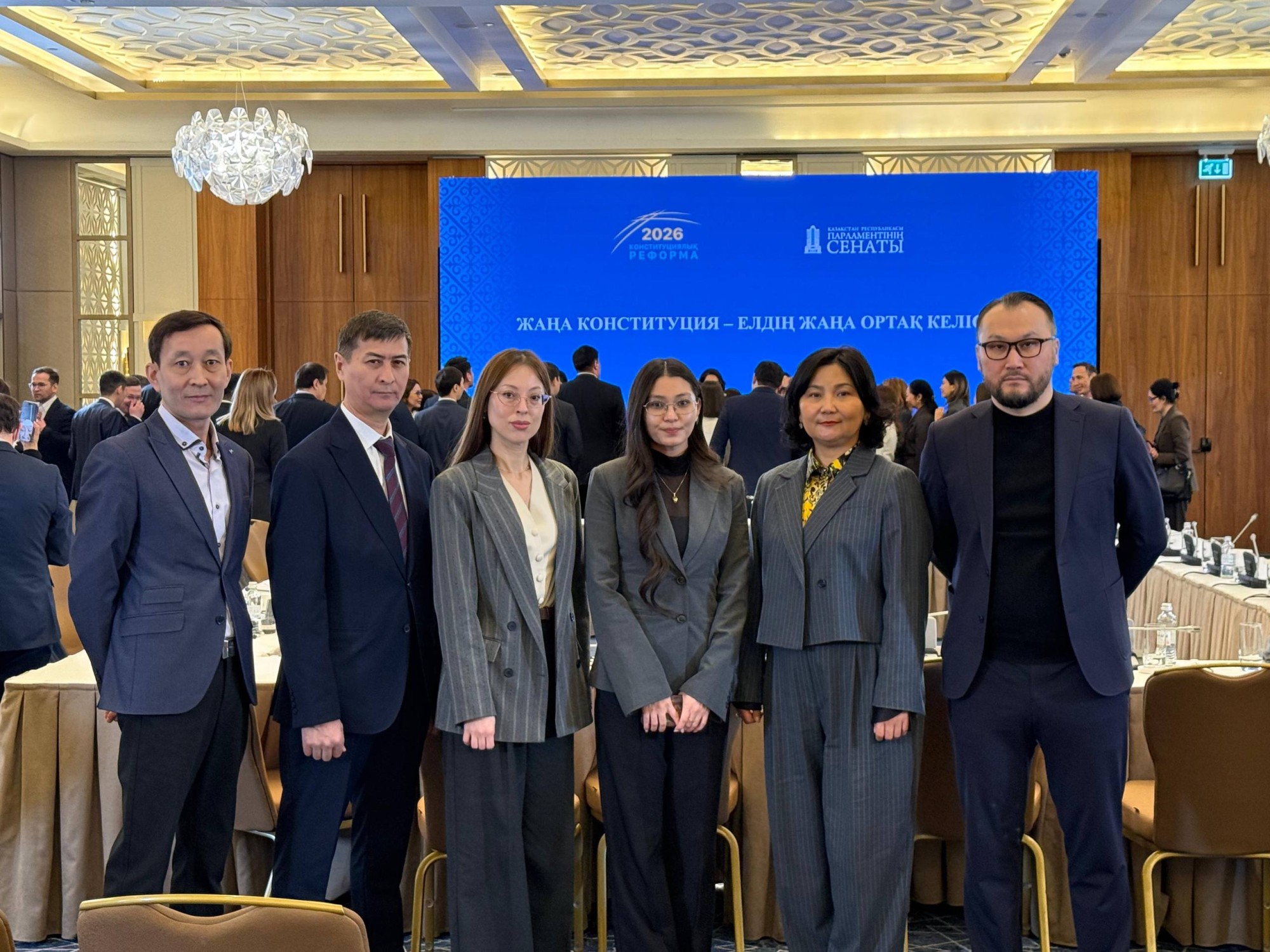
On February 9, 2026, a roundtable discussion on the draft constitutional reform was held in Astana, bringing together around 200 participants, including representatives of the legislative branch, experts, and civil society. The event was attended by Chairman of the Senate Maulen Ashimbayev, senators, and leading experts who delivered substantive and diverse presentations on key areas of transformation of the state system and public institutions. Chair of the Board of the International Center for Interfaith and Interreligious Dialogue Gulsana Kozhabay and heads of departments also took part, highlighting the inter-institutional nature of the roundtable and the emphasis on engaging various social groups.
Opening the event, Chairman of the Senate Maulen Ashimbayev emphasized the importance of modernizing the public administration system, noting that its strategic goal is the formation of a new model of a Just Kazakhstan. He also highlighted the high role of national shared responsibility in implementing the ongoing reforms.
In his speech, Zhakyp Assanov, Deputy Chairman of the Senate of the Parliament of the Republic of Kazakhstan, focused on the new meanings of the draft Constitution’s preamble, stressing that the document reflects the maturity of the state and public demand. He noted that the Constitution’s text was prepared in the Kazakh language, is of high legal quality, and is based on the national development model.
Deputy Chair of the Senate Olga Perepechina emphasized the formation of a new architecture of state governance based on a balance of powers. According to her, the reform’s philosophy places the individual and their rights at the center, and the draft law reveals new dimensions of citizen protection — from strengthening legal security and introducing “Miranda rules” to protecting personal data and digital rights. She also highlighted guarantees of freedom of creativity, protection of intellectual property, and the role of education and healthcare as the foundation of sustainable development and family values.
Nurlan Beknazarov, Chair of the Senate Committee on Constitutional Legislation, the Judicial System and Law Enforcement Agencies, addressed the formation of the Kurultai, outlining representation parameters, the age composition of deputies, and the rules for its election.
Madina Nurgalieva, Director of the Institute of Public Policy “AMANAT,” underscored the significance of the reform for developing political culture and public engagement in discussing the country’s main document. She highlighted three key political institutions of the new constitutional draft: the Kurultai, the individual institution of the Vice President, and the collective People’s Council (Halyk Kenesi). According to her, collective discussion has always been part of Kazakhstan’s tradition, while the new institutions respond to modern challenges; the Vice President institution is intended to ensure continuity, predictability, and stability of power, while the People’s Council should become a new form of public dialogue expanding civil society participation.
In her remarks, Zhuldyzai Iskakova, Chair of the Board of the Kazakhstan Institute of Public Development, noted that the discussion of the draft was the result of nine days of intensive work and deep public reflection. She emphasized that between 1998 and 2022, 197 amendments were introduced to the current Constitution, and such fragmentation necessitated the adoption of a fundamentally new, holistic text oriented toward sustainable development, social unity, interethnic harmony, justice, and the rule of law. Special emphasis was placed on the values-based section of the document, which should become a fundamental guideline for the further development of Kazakhstani society.
Eldos Abakanov, Chair of the Board of the Institute for the Development of Electric Power and Energy Saving, raised environmental issues, stressing that quality of life, security, and development are directly linked to environmental protection. He recalled the adoption of the new Environmental Code and strategic goals until 2060, including the “Taza Kazakhstan” initiative. In the draft Constitution, natural resources are considered the wealth of the country and the nation, and environmental protection is defined as the duty of every citizen and the responsibility of the state.
Concluding the main part, education expert Madina Tynybayeva spoke about the need to transition from a “oil-dependent” economy to a knowledge-based economy. She pointed to challenges in innovation development, including the gap between science and business, the crisis of quantitative metrics for evaluating scientific activity, and data opacity. According to her, sustainable leadership is possible only when the state constitutionally protects freedom of creativity, education, and innovation.
At the end of the roundtable, participants agreed that the draft of the new Constitution represents a reflection on Kazakhstan’s path and demonstrates the maturity of a state oriented toward human rights, sustainable development, and trust between the government and society.