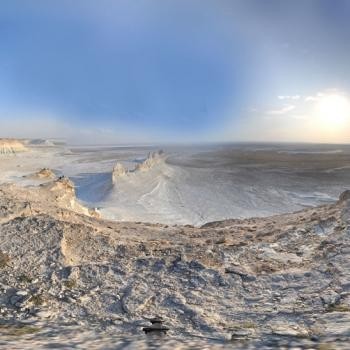
Brief Description
Bozzhyra is a unique natural monument and sacred site located on the Ustyurt Plateau. It is a breathtaking white chalk landscape with striking mountain remnants and canyons. Formed on the floor of an ancient ocean, this area symbolizes the natural grandeur of the Mangystau region.
Location
Region: Mangystau Region, Karakiya District
Distance from Aktau: approximately 300 km
Historical Background
Formation Period: Millions of years ago, this territory was the bottom of an ancient ocean, which gradually receded, leaving behind chalk formations.
Key Events: The creation of Bozzhyra’s unique landscape resulted from a combination of marine retreat and the long-term effects of wind, water, and time.
Notable Figures: Within the sacred context of the region, the nomadic peoples and local shamans hold particular significance, preserving the legends and spiritual memory of this place.
Religious Significance
Bozzhyra is included in the list of sacred sites under the project “Sacred Geography of Kazakhstan.” The area is associated with the shamanic and animistic traditions of the region’s indigenous peoples, who consider natural formations to be the dwelling places of spirits and symbols of the connection between humans and nature. Rituals performed here aim to restore harmony with nature and honor its forces.
Cultural and Touristic Significance
Tourism: Bozzhyra attracts tourists and pilgrims with its otherworldly beauty — white chalk mountains, canyons, and rock formations that change color and shape with the light.
Interesting Facts: The landscape resembles a stone yurt, symbolizing the unity of humans with nature and the nomadic culture of Kazakhstan.
Uniqueness: The unusual terrain, shaped over millions of years by natural forces, makes Bozzhyra an open-air geological museum.
Current Status
Protection: Bozzhyra is under state protection as a site of regional importance within the framework of the national program “Looking into the Future: Modernization of Public Consciousness.”
Infrastructure: The area is open to visitors and has basic tourist infrastructure, with guided tours available. Efforts are being made to preserve both its natural and cultural heritage.
Restoration: Ongoing work focuses on conserving the fragile landscape, preventing erosion and damage, and developing sustainable eco-tourism initiatives.