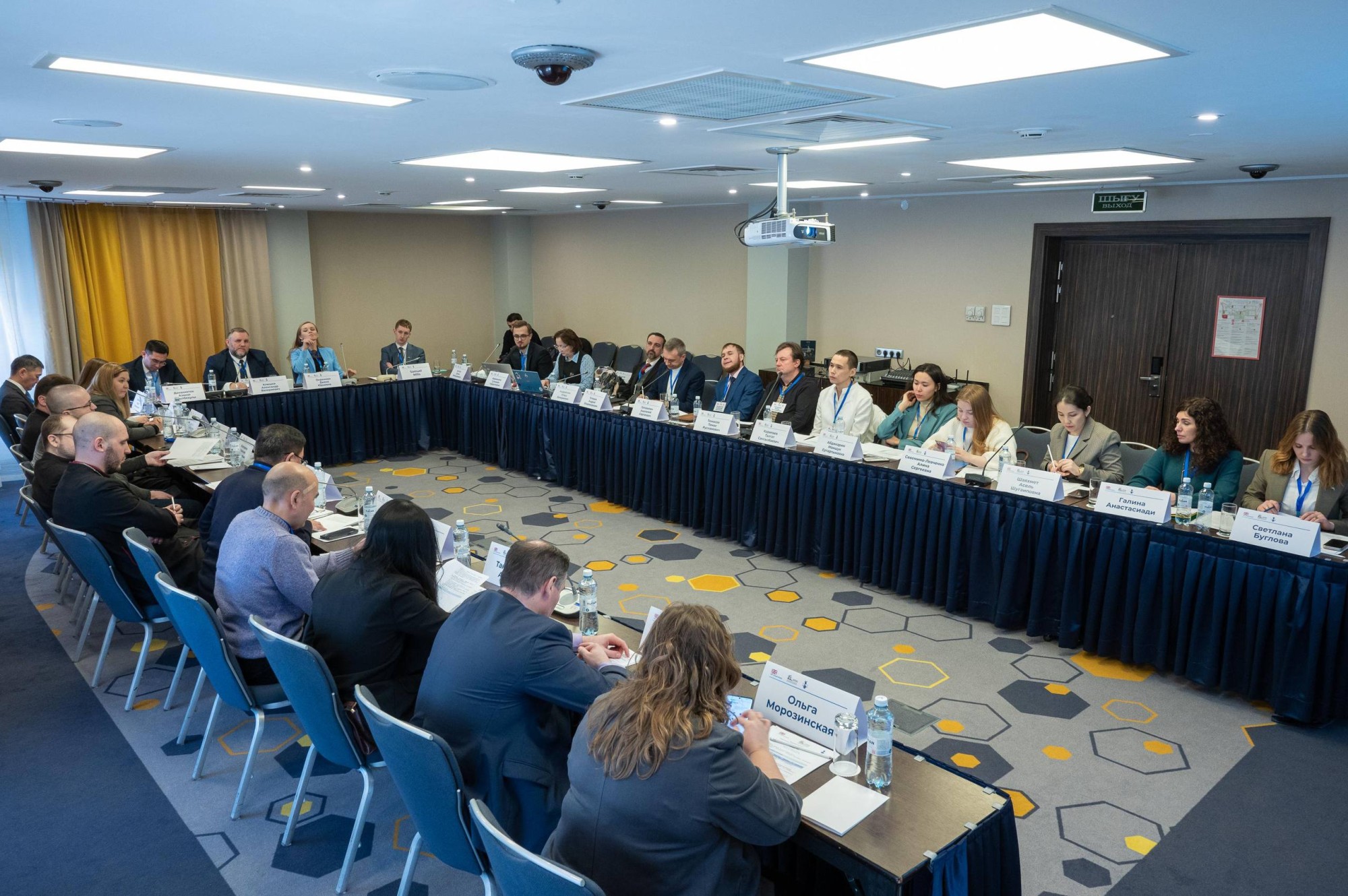
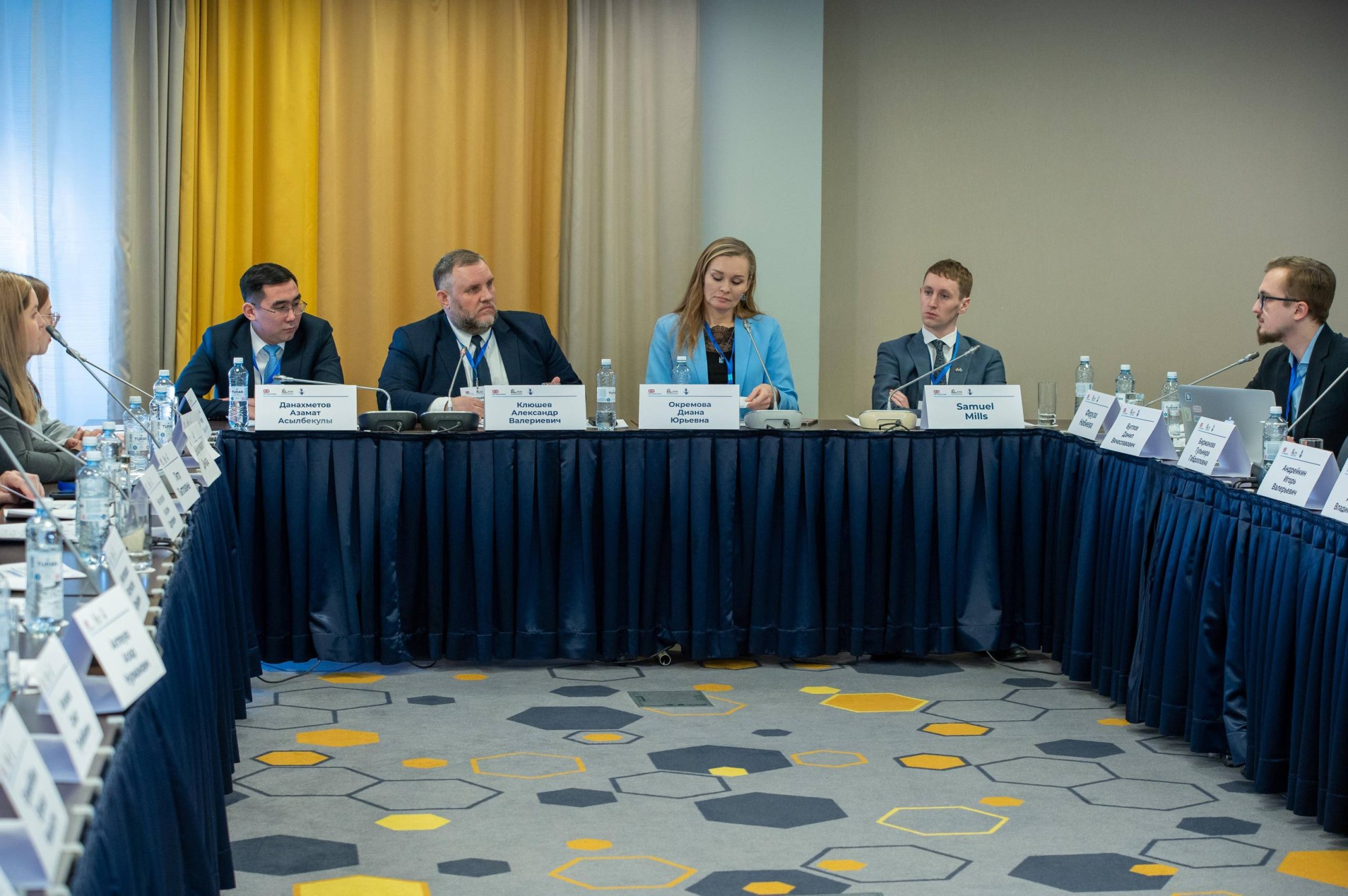
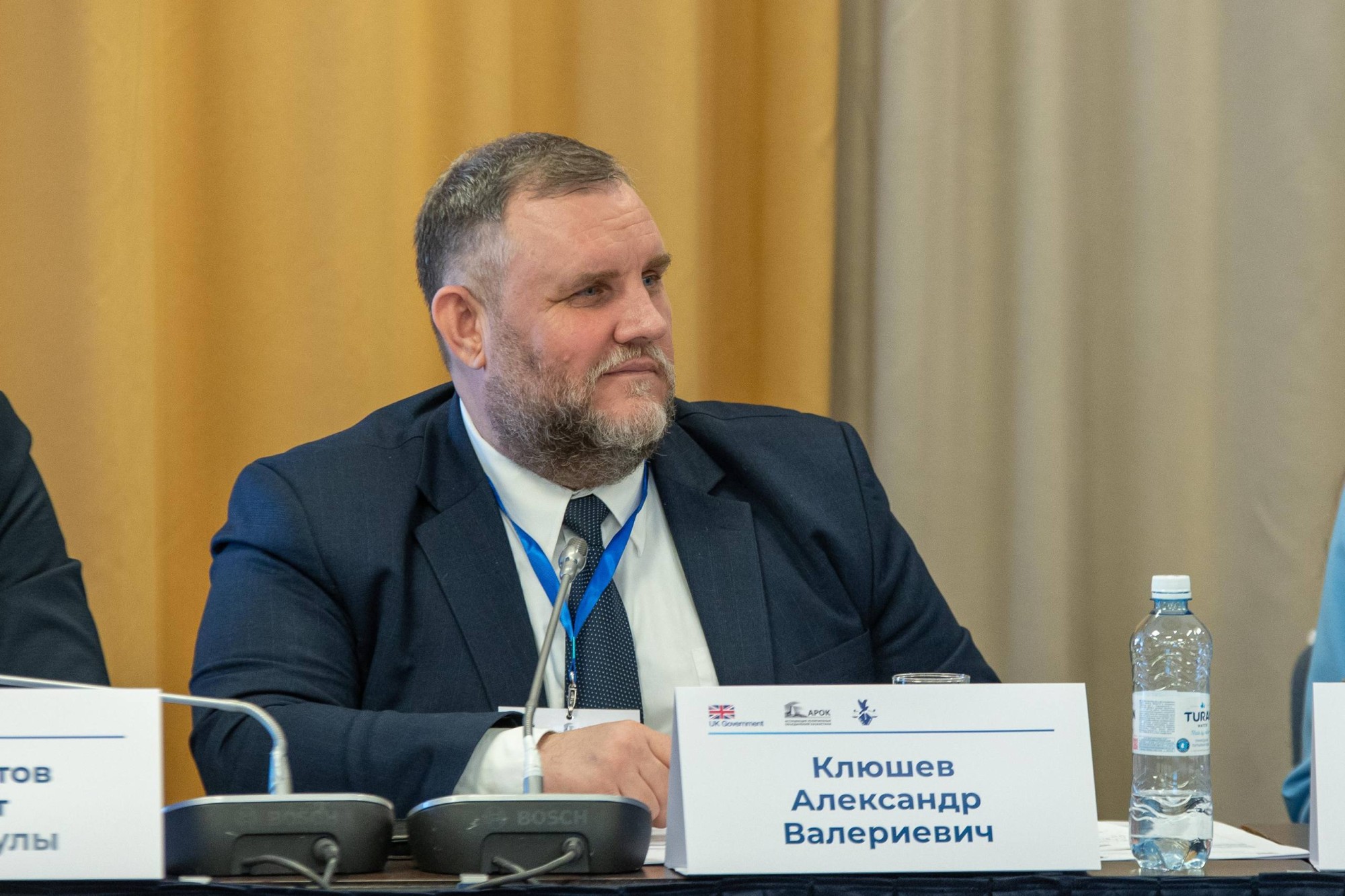
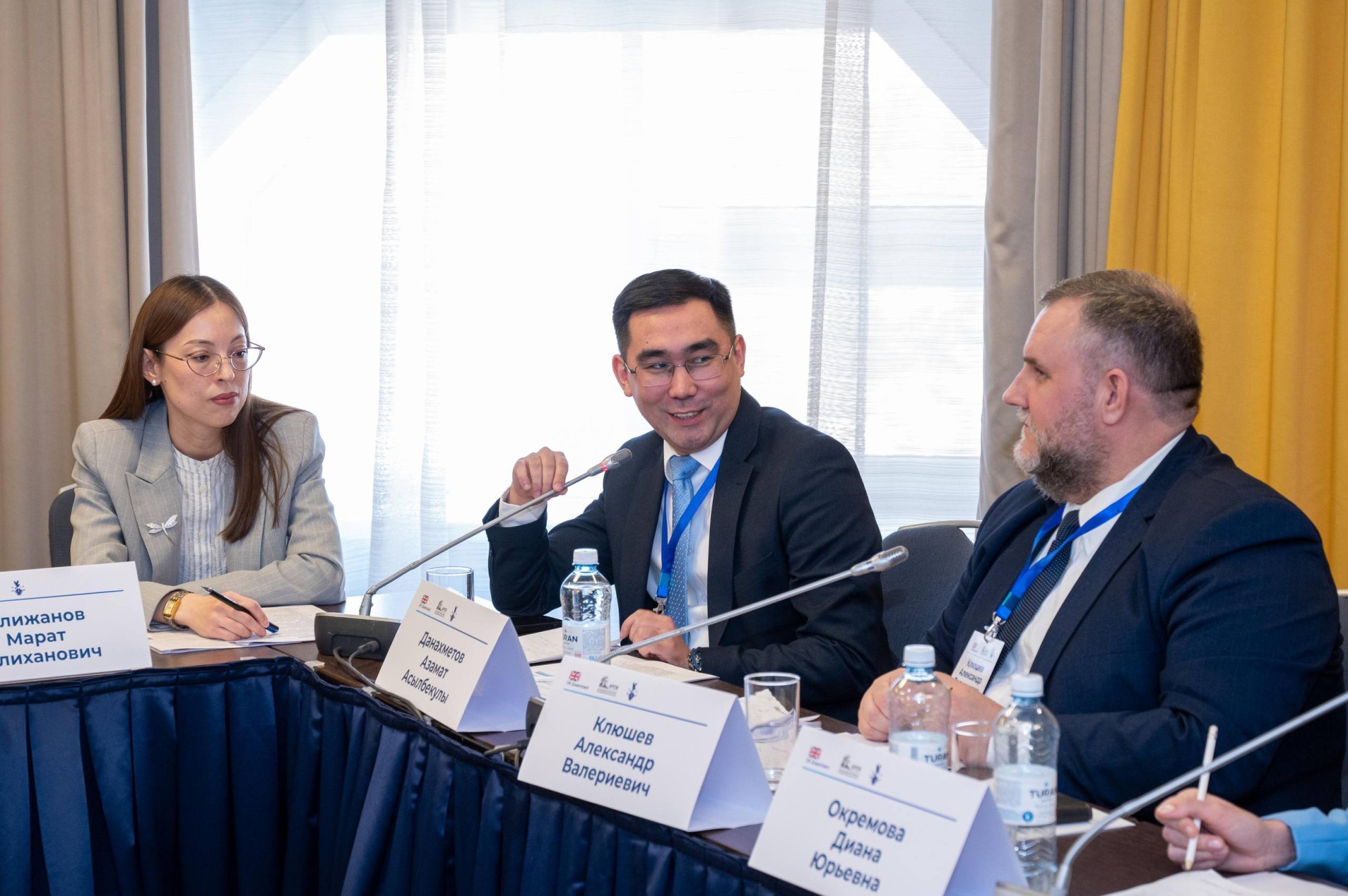
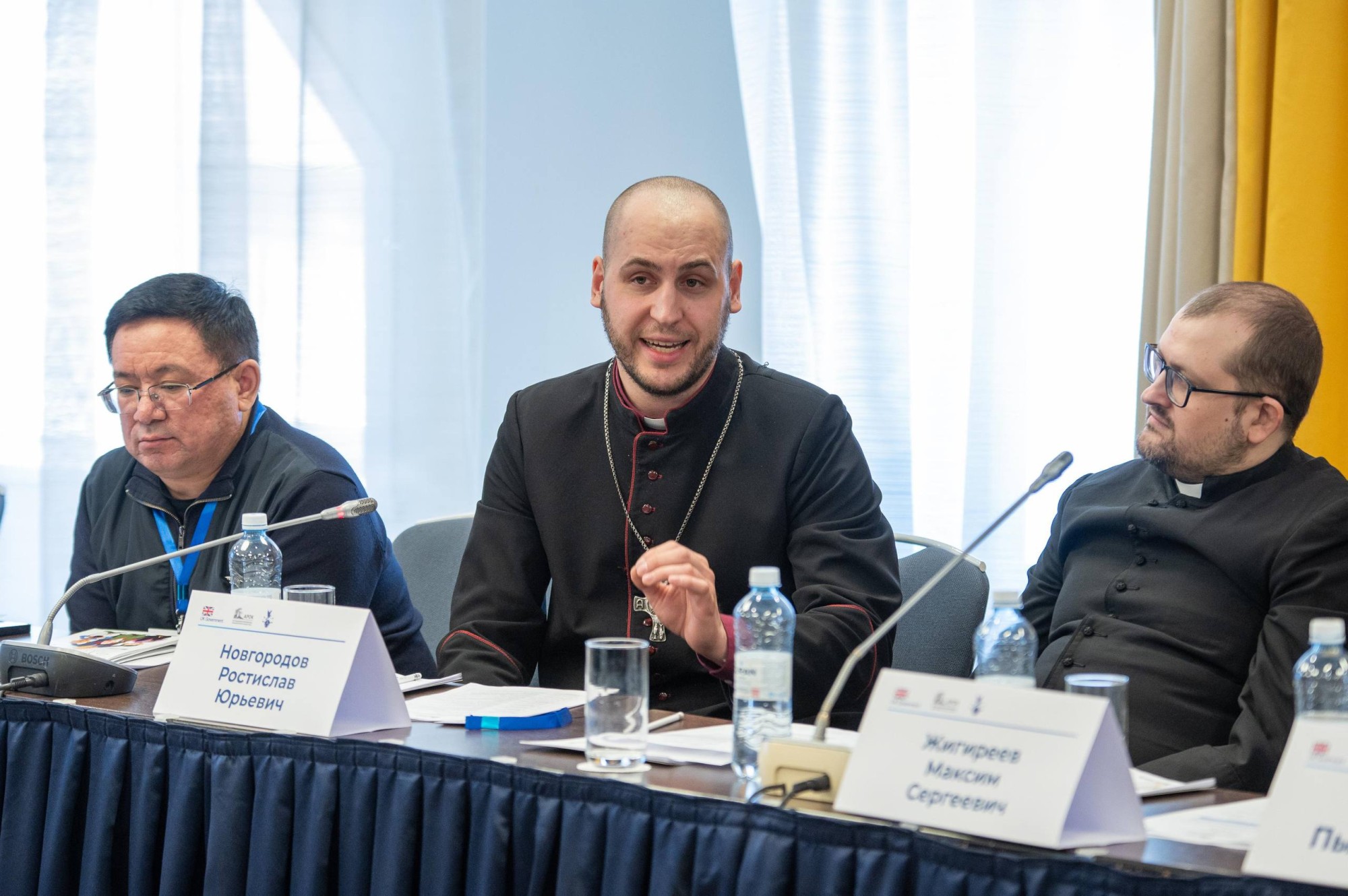
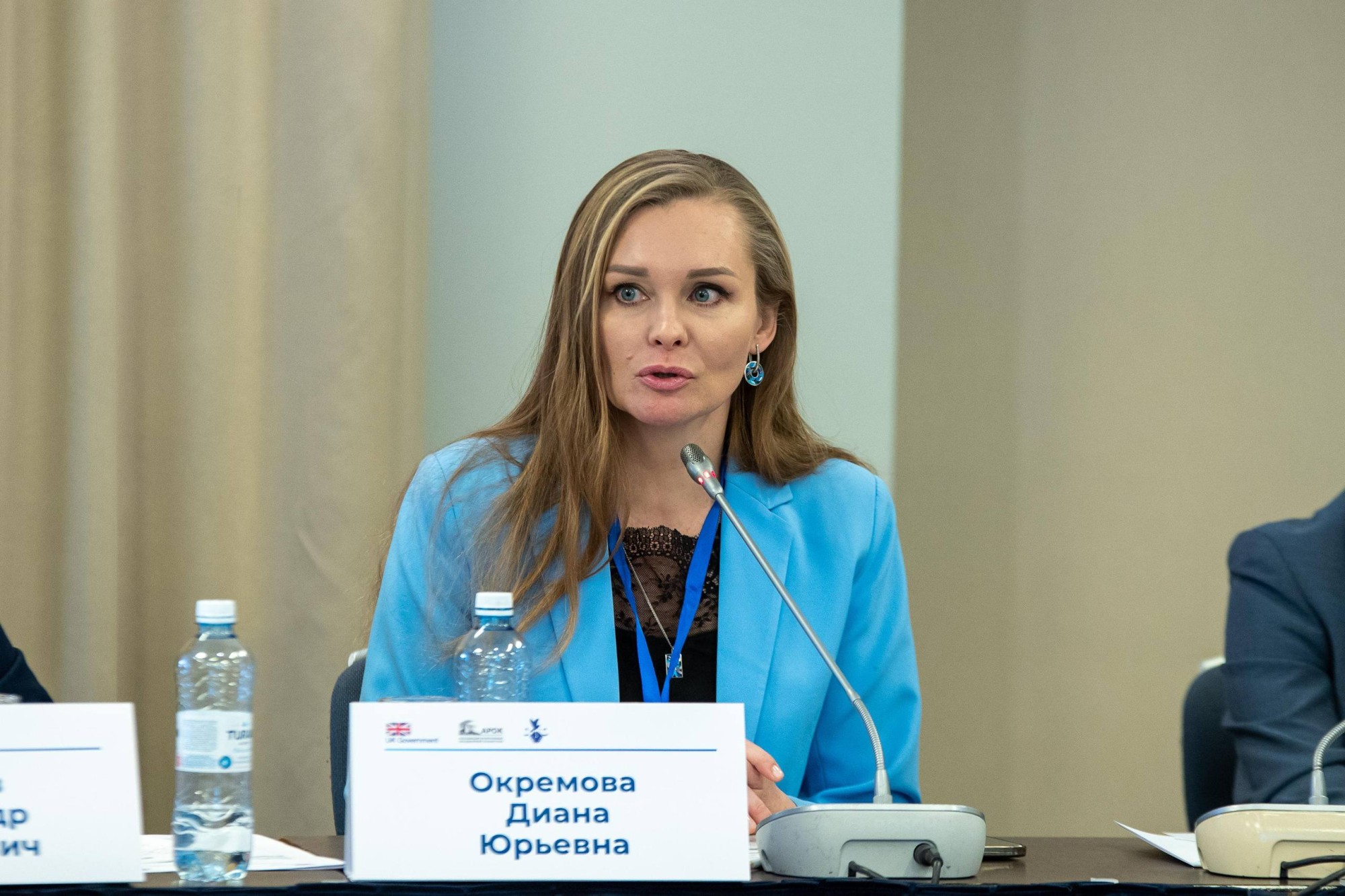
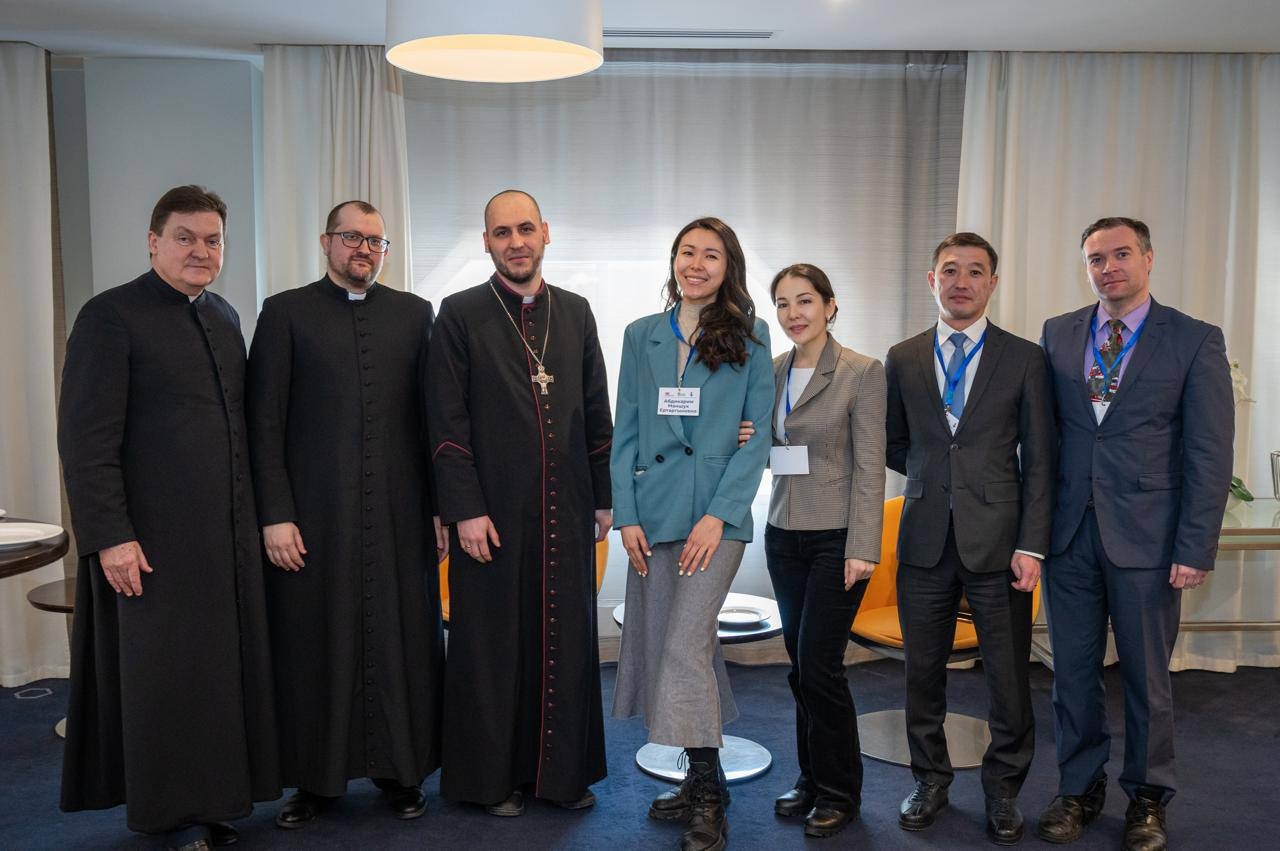
On 26 February 2026, the Association of Religious Associations of Kazakhstan (ARAK), together with the Law Media Center and with the support of the UK Government, organized a roundtable in Astana addressing practical approaches to interfaith dialogue and media communications. Diana Okremova, Director of the Law Media Center, and Alexander Klyushev, Chairman of ARAK, served as moderators of the discussion.
The roundtable was the concluding event in a series of meetings focused on the coverage of religion in media, the role of mass media in promoting interfaith harmony, and the development of interreligious dialogue. The main emphasis was placed on the practical implementation of previously developed recommendations.
ARAK expert Danil Buglov opened the event, highlighting the importance of translating discussions into actionable steps to advance interfaith dialogue.
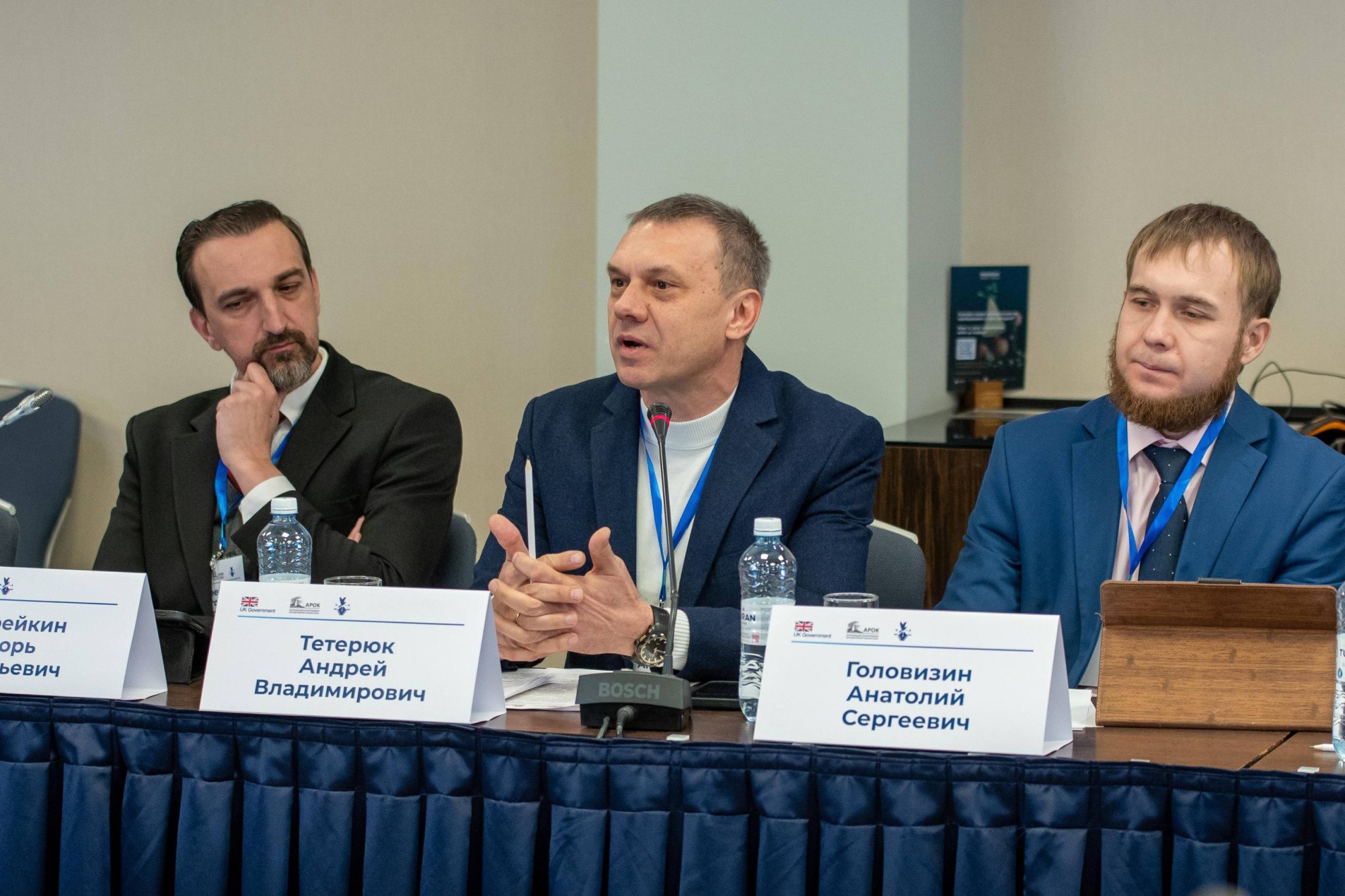
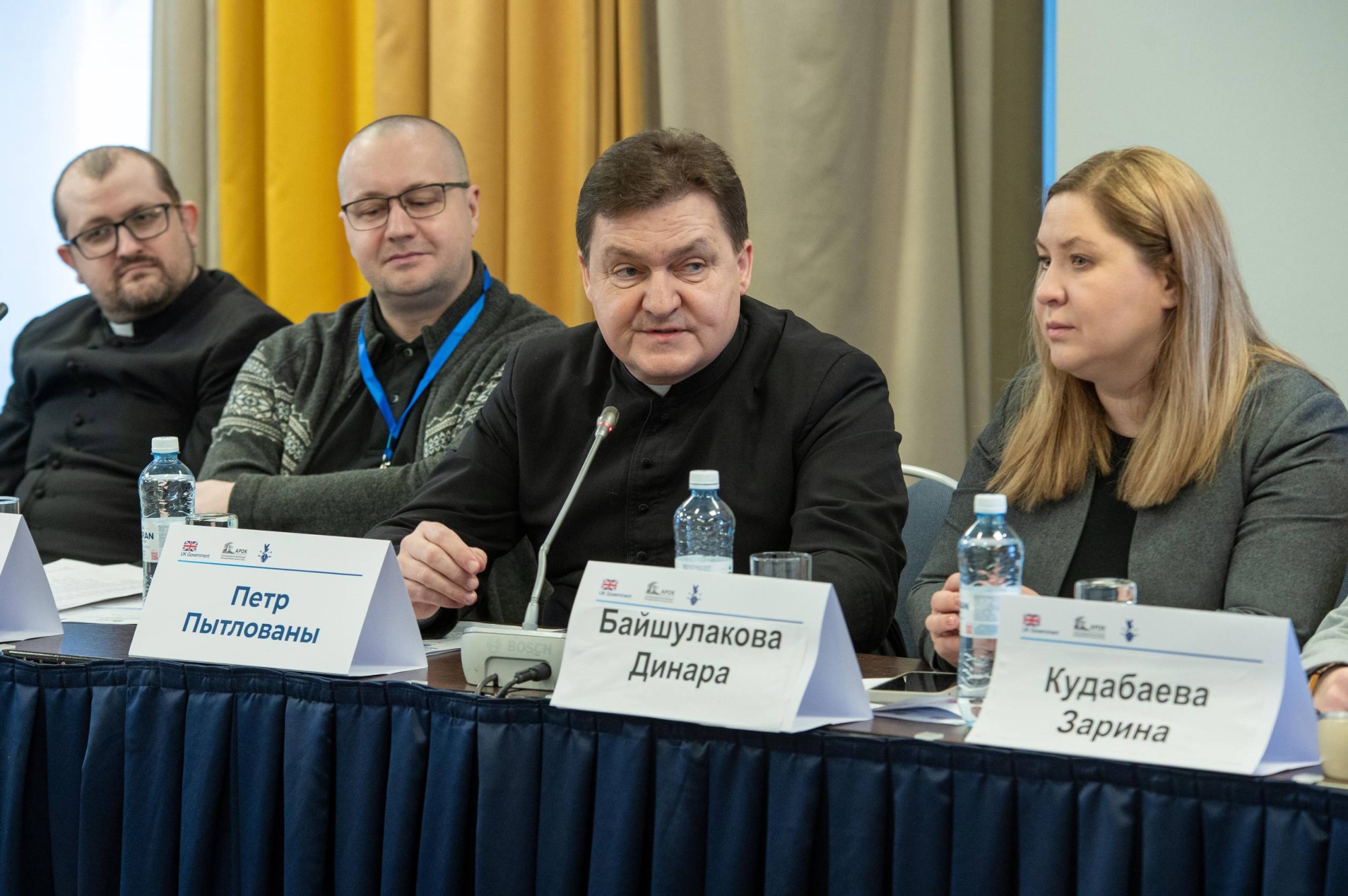
Representatives of religious associations emphasized the need to strengthen legal and religious culture in their remarks. Senior Pastor of the Local Church of the Seventh-day Adventist Christians in Almaty, Andrei Teteryuk, underscored the importance of adhering to international recommendations and best practices, noting that openness and educational outreach are key to building trust. Moreover, Teteryuk announced plans to hold an iftar at the church as a tangible example of interfaith dialogue. Pastor Anatoliy Golovizin, Teteryuk’s colleague, emphasized the importance of mentorship programs and systematic engagement with young leaders as a foundation for the sustainable growth of religious communities.
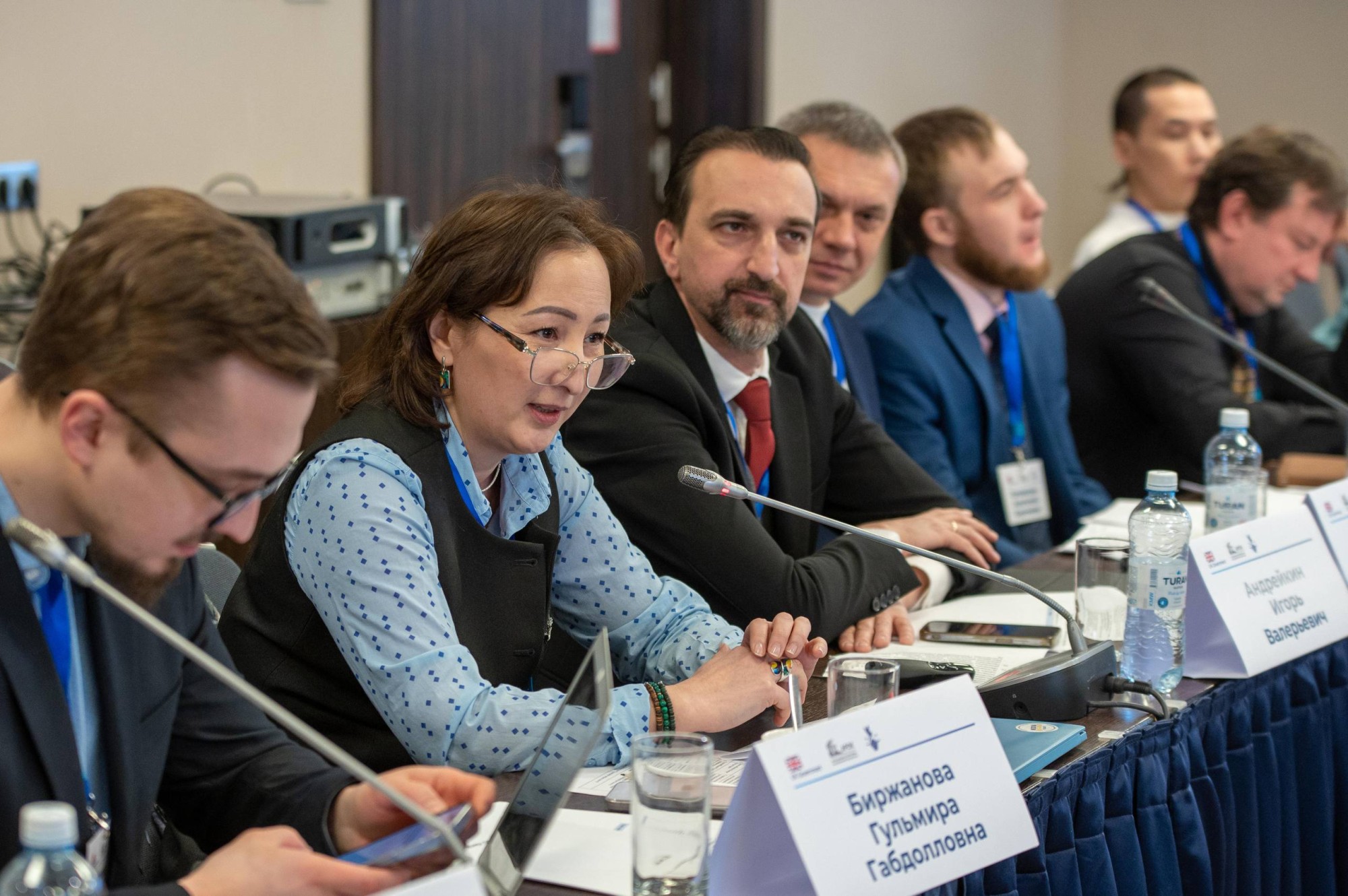
Senior Pastor of the “Joy” Pentecostal Christian Association Tomas Tomassov continued the discussion on responsible coverage of religion in the media. Tomassov emphasized that inaccurate reporting can foster biased perceptions of religion and heighten social tensions, citing examples where religious representatives became victims of distorted coverage. Senior Pastor of the Christian Evangelical Church of Temirtau Igor Andreykin, in turn, proposed increasing the frequency of open house events, while noting that opportunities to engage for public engagement differ between large small cities.
Media experts focused on practical tools of engagement. Askar Aktleulov, creator of the “Tilsh” media project, emphasized the importance of collaboration between journalists and bloggers to develop a balanced and professional agenda. Gulmira Birzhanova, Head of the Legal Department at Media Qoldau, Legal Media Center, provided an overview of key provisions of Kazakhstan’s legislation, highlighting the proper use of terminology and the need for religious organizations to develop crisis protocols and response plans.
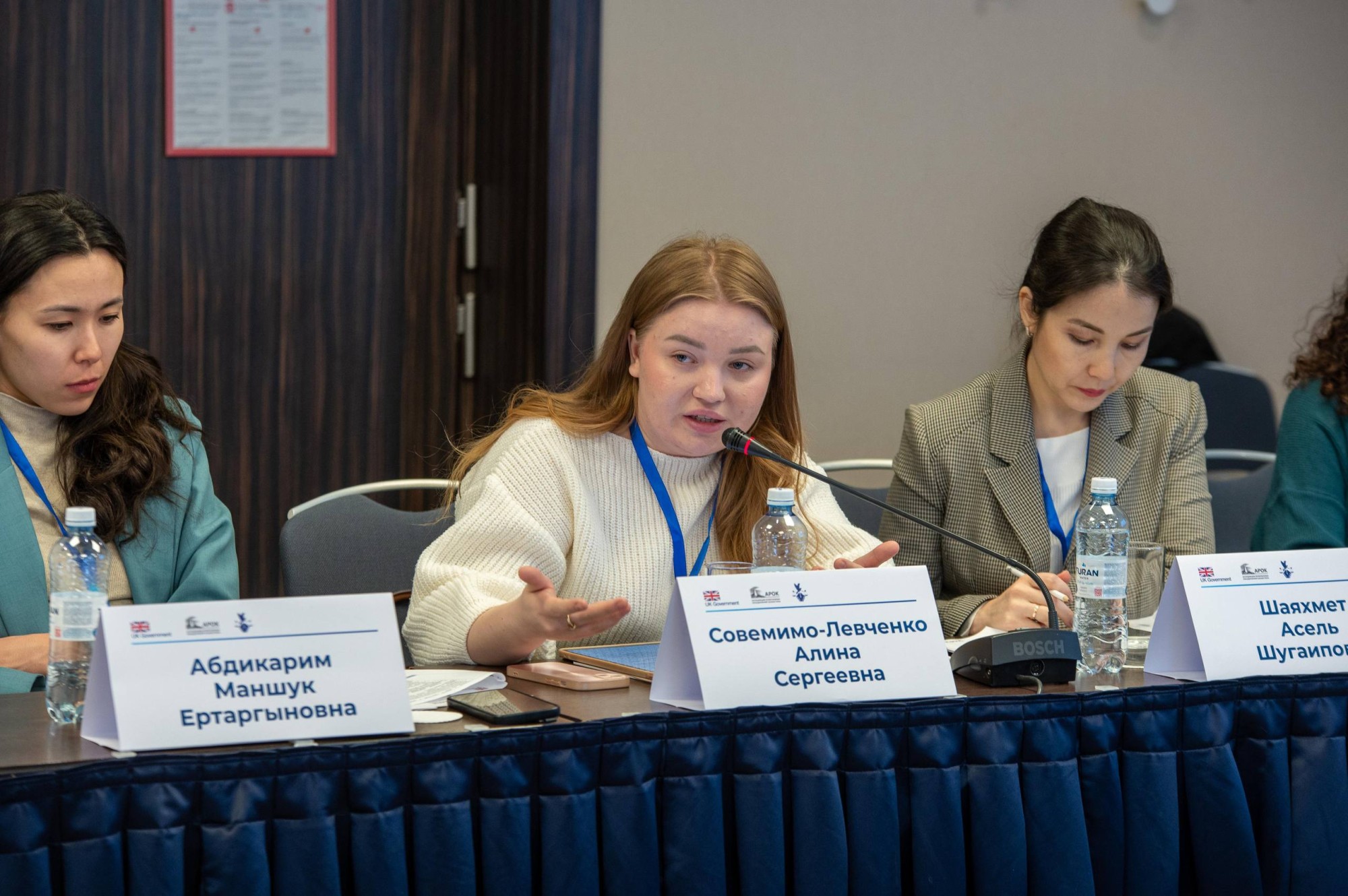
Alina Sovemimo-Levchenko, Social Media Manager at the Law Media Center, highlighted the importance of collaboration with bloggers and digital platforms, stressing the importance of studying international best practices and conducting regular training sessions. She noted that the willingness of religious representatives to engage with media in an open, professional, and timely manner is becoming one of the key factors in building public trust.
Azamat Danakhmetov, Chief Expert of the Department for Law Enforcement Practice in Religious Affairs at the Committee on Religious Affairs of the Ministry of Culture and Information of Kazakhstan, provided a detailed overview of key aspects of state policy in the religious sphere. Danakhmetov took questions from representatives of religious associations and the media, underscoring the importance of preventing radicalization, improving legal literacy, and fostering constructive interaction between state authorities and religious institutions.
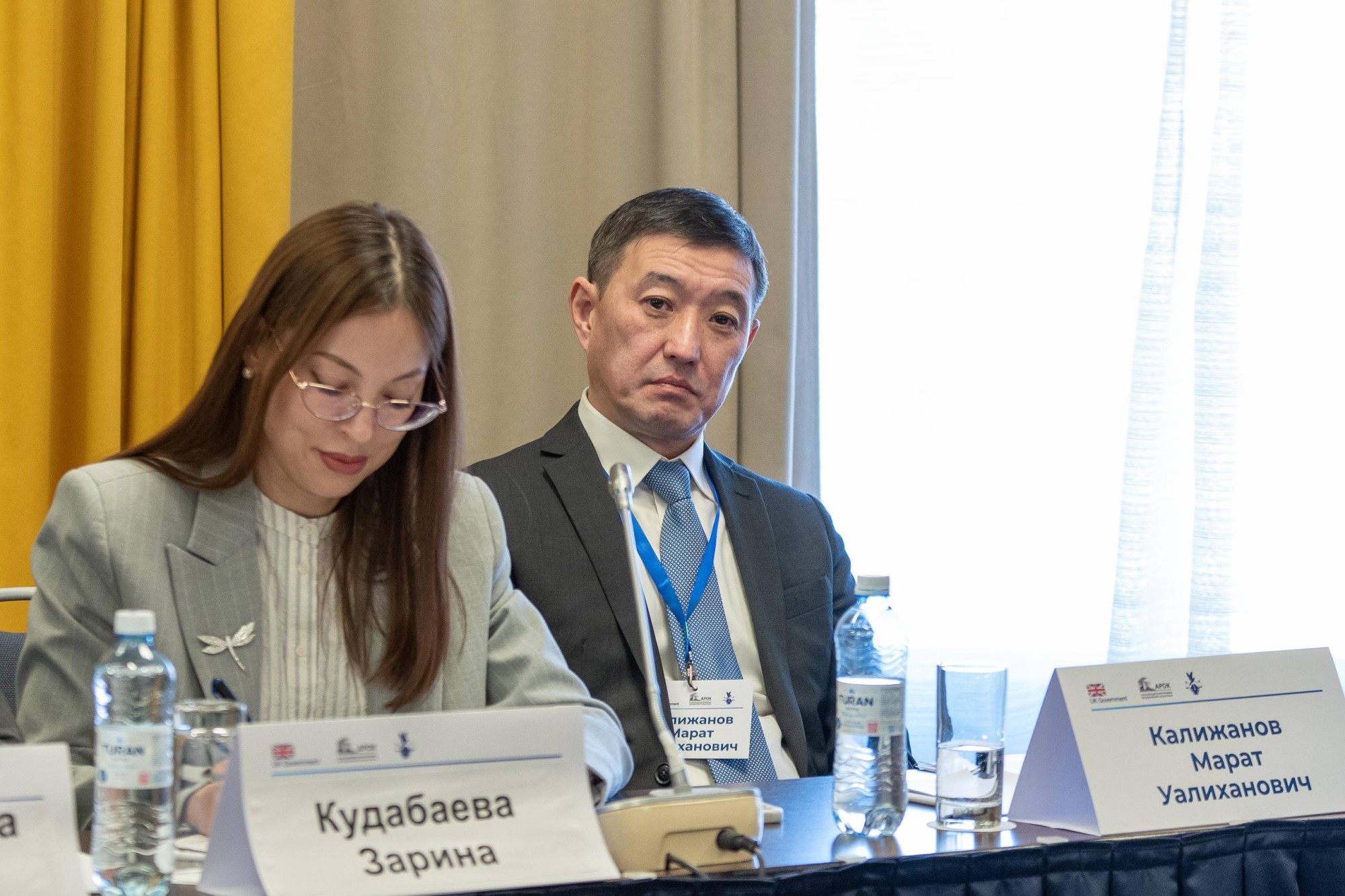
Concluding the discussion, representatives of the International Center for Interfaith and Interreligious Dialogue focused on practical mechanisms for developing interreligious cooperation. Marat Kalizhanov, Deputy Chair of the Center, thanked the organizers for the substantive discussion and emphasized the importance of sustained, systematic work in this area. As an example of practical interfaith engagement, Kalizhanov cited the initiative to hold iftar events, mentioning their social and symbolic significance. Further, he noted the need to develop a unified religious glossary to standardize terminology and minimize interpretive discrepancies.
Zarina Kudabayeva, Director of the Center’s Department of External Relations and Information, addressed the media component of interreligious dialogue. She noted that the absence of a standardized terminological framework often leads to inaccuracies in public communication. It was also mentioned that translating Christian theological terminology into Kazakh presents particular challenges in this regard. Kudabayeva proposed developing a comprehensive terminological dictionary as a practical tool for journalists, experts, and representatives of religious associations.
The event was held in a constructive and collaborative atmosphere. Participants emphasized the need to promote inclusive and open dialogue, build sustainable communication mechanisms, and strengthen trust between religious communities and the media.