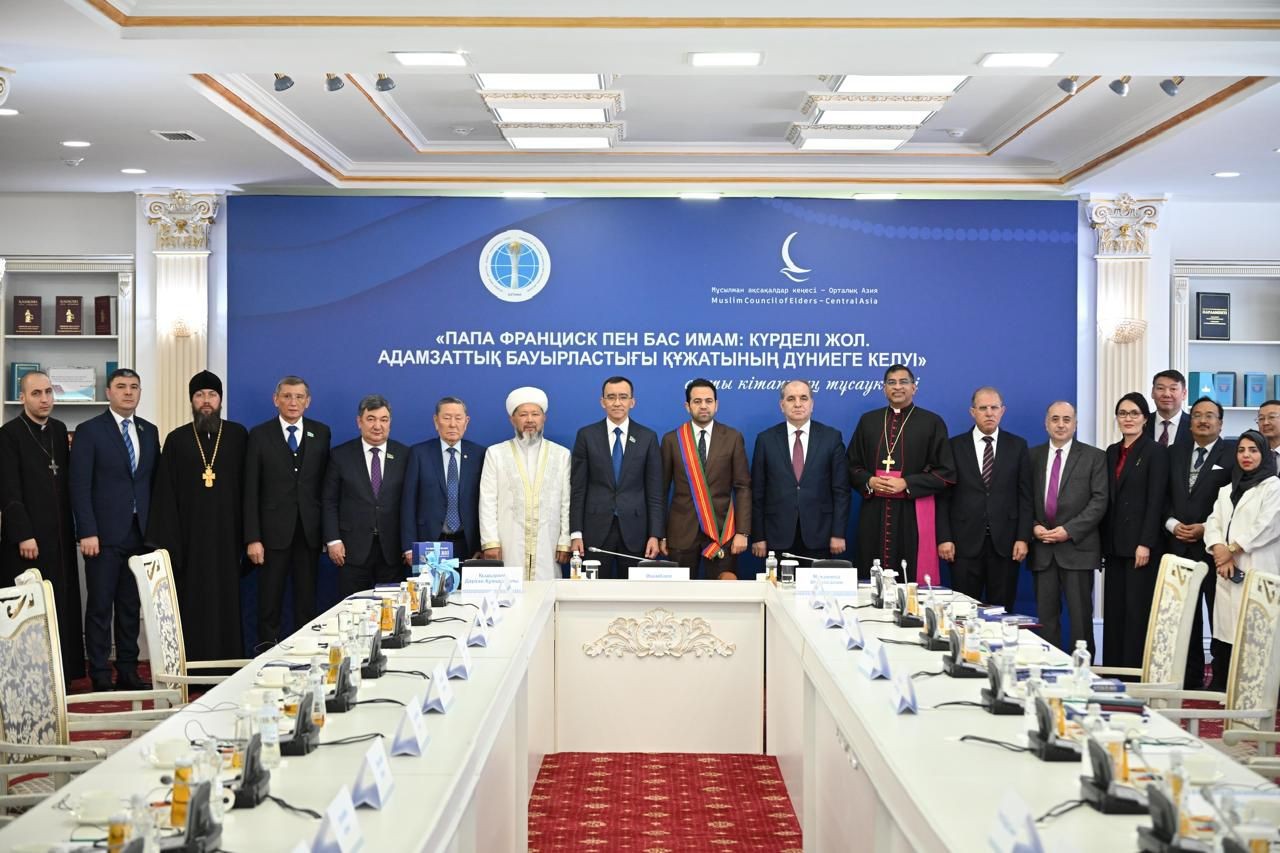
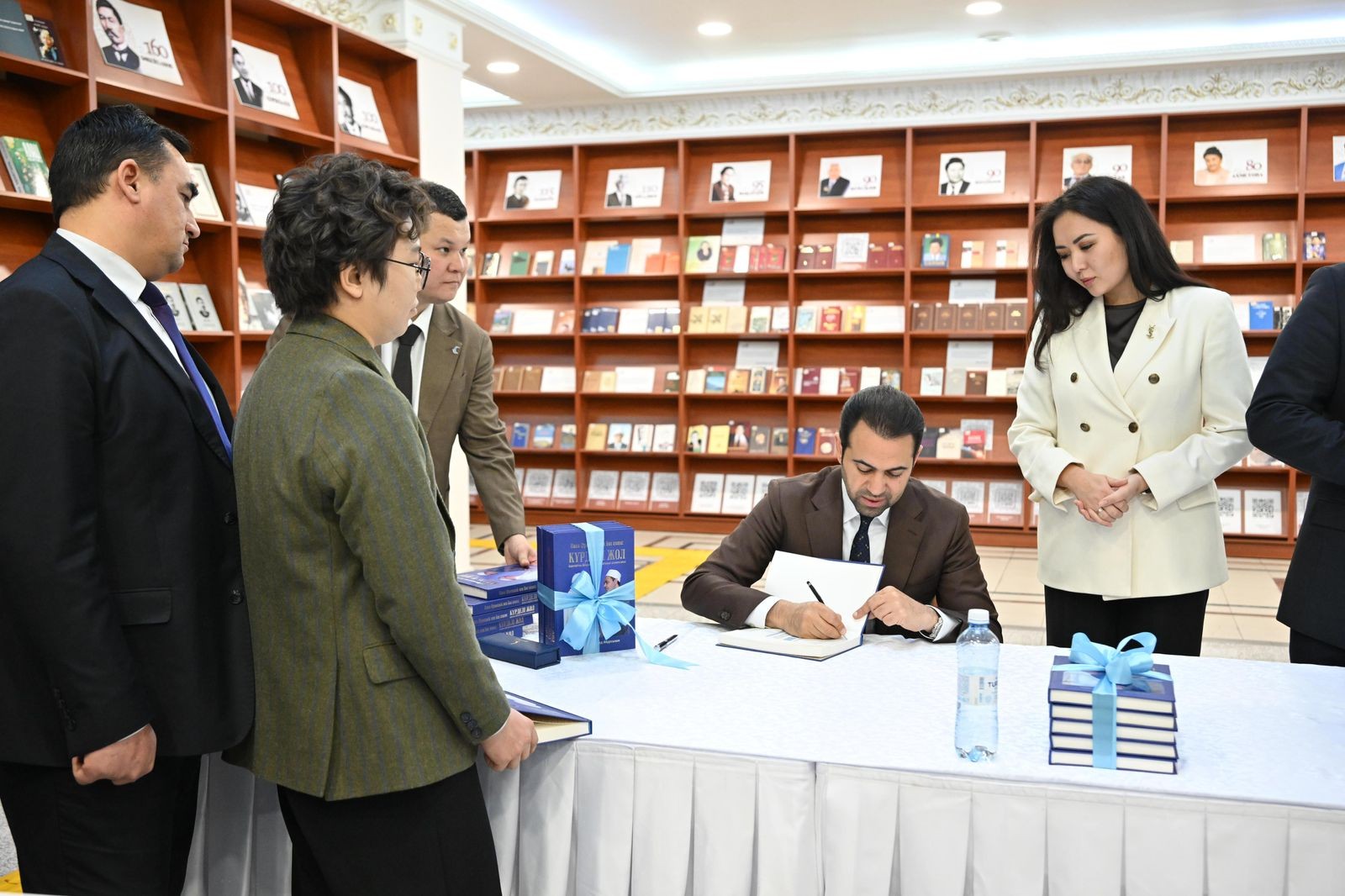
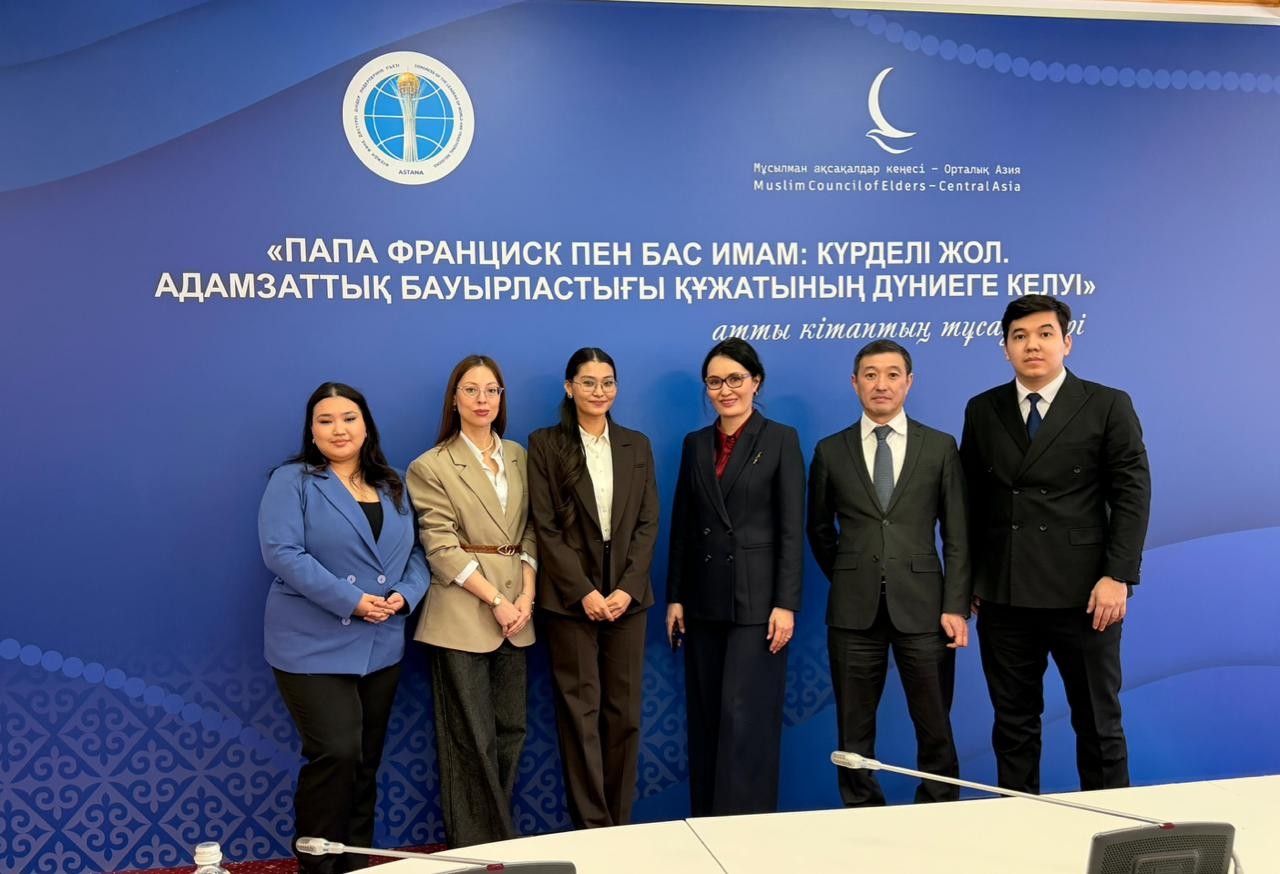
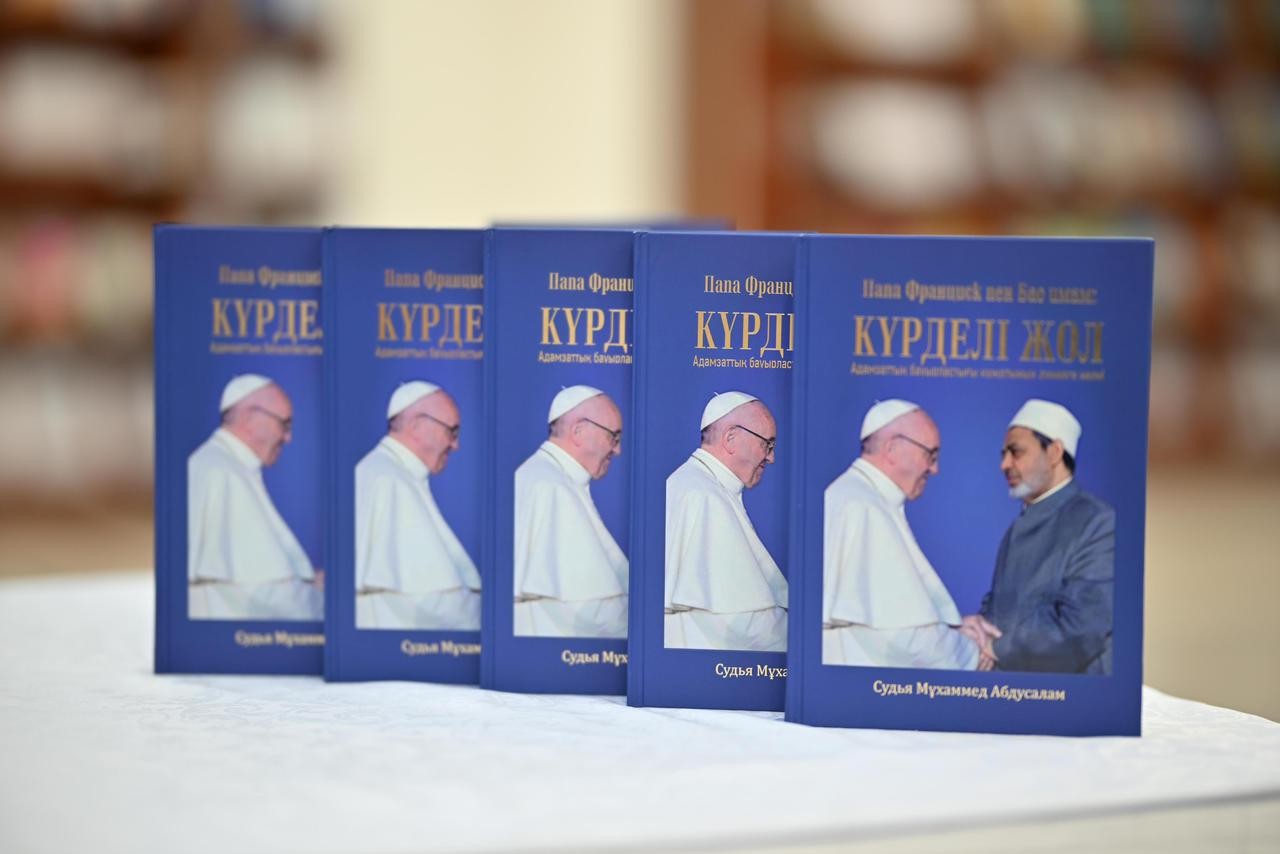
On 12 February 2026, a book presentation was held in Astana for “The Pope and the Grand Imam: A Thorny Path — A Document Testifying to the Birth of Human Fraternity Document” by the Secretary General of the Muslim Council of Elders, Mohamed Abdel Salam. The book is dedicated to the landmark event — the signing of the Document on Human Fraternity in Abu Dhabi on 4 February 2019, following the meeting between Pope Francis and the Grand Imam of Al-Azhar, Ahmed Al-Tayeb (Egypt). The publication reveals the background and stages of preparation of the document, as well as the role of spiritual diplomacy and interfaith dialogue in strengthening trust, a culture of peace, and cooperation.
The event was organized at the initiative of the Senate of the Parliament of the Republic of Kazakhstan with the support of the Muslim Council of Elders and the International Center for Interfaith and Interreligious Dialogue.
As part of the presentation, welcoming remarks were delivered by the Chairman of the Senate of the Parliament of the Republic of Kazakhstan and Head of the Secretariat of the Congress of the Leaders of World and Traditional Religions, Maulen Ashimbayev. He noted that this unique document is “a true manifesto of spiritual diplomacy,” emphasizing that in the context of modern geopolitical crises and the rise of radicalism and xenophobia, interreligious and intercultural dialogue is becoming a key instrument for strengthening trust and sustainable development.
The presentation was moderated by Senator of the Parliament of the Republic of Kazakhstan Darkhan Kydyrali. In his speech, he highlighted the deep philosophical significance of the book, based on the principles of justice and unity, noting that it is no coincidence that the publication has been translated into seven languages, including Kazakh, which testifies to its universal character and demand.
The speakers included Chairman of the Senate of the Parliament of the Republic of Kazakhstan and Head of the Secretariat of the Congress of Leaders of World and Traditional Religions Maulen Ashimbayev; Secretary General of the Muslim Council of Elders Mohamed Abdel Salam; Chairman of the Spiritual Administration of Muslims of Kazakhstan and Supreme Mufti Nauryzbay Kazhy Taganuly; Kazakh statesman and public figure Adil Akhmetov; Apostolic Nuncio of the Holy See to the Republic of Kazakhstan George Panamthundil; and Chair of the Board of the International Center for Interfaith and Interreligious Dialogue Gulsana Kozhabay.
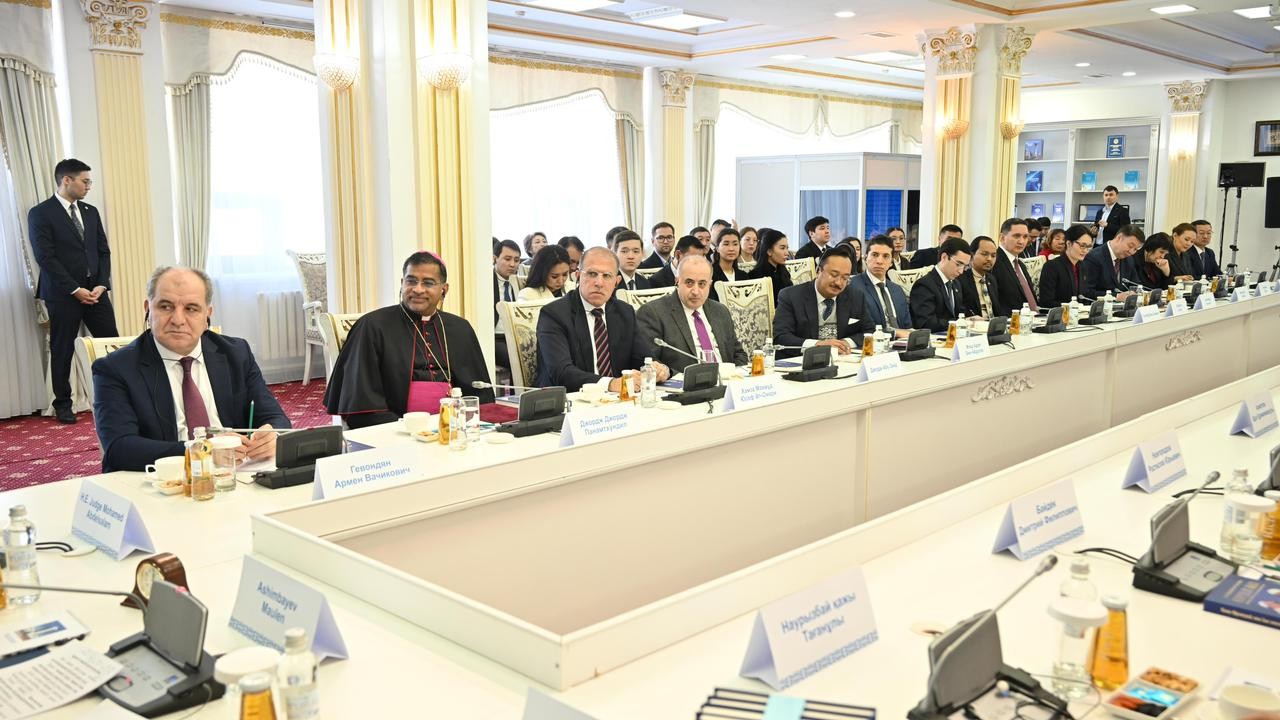
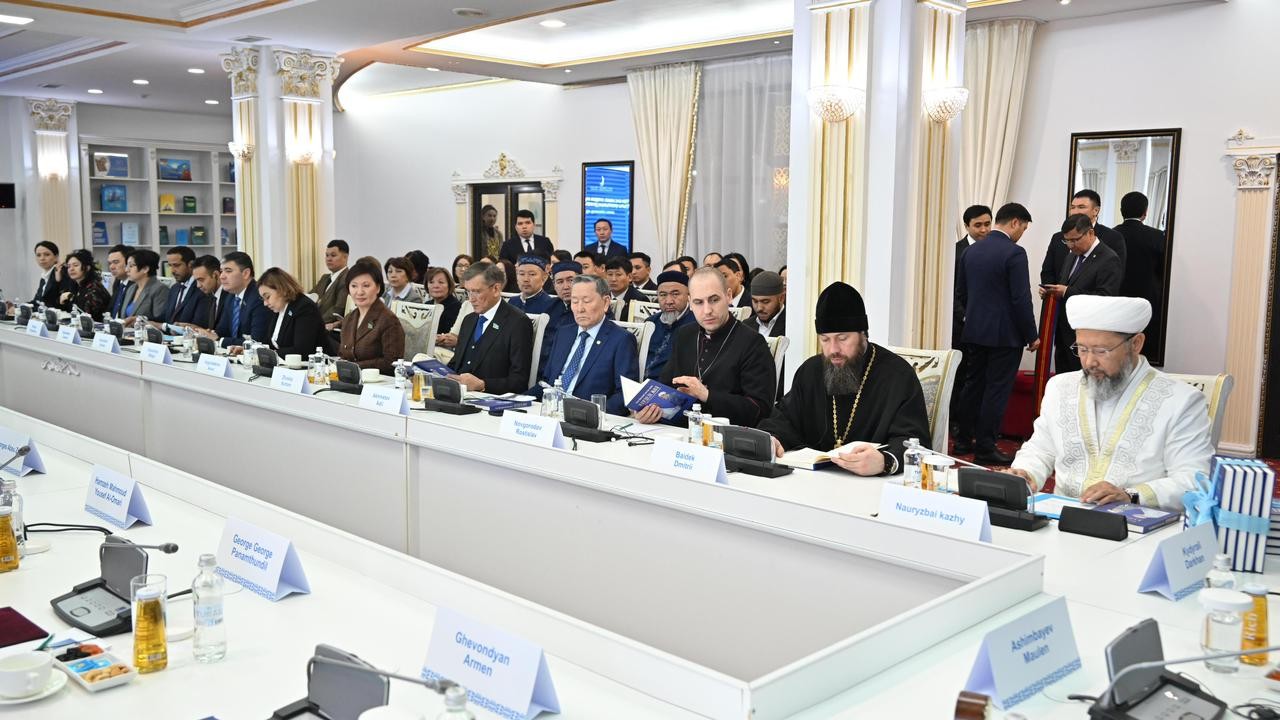
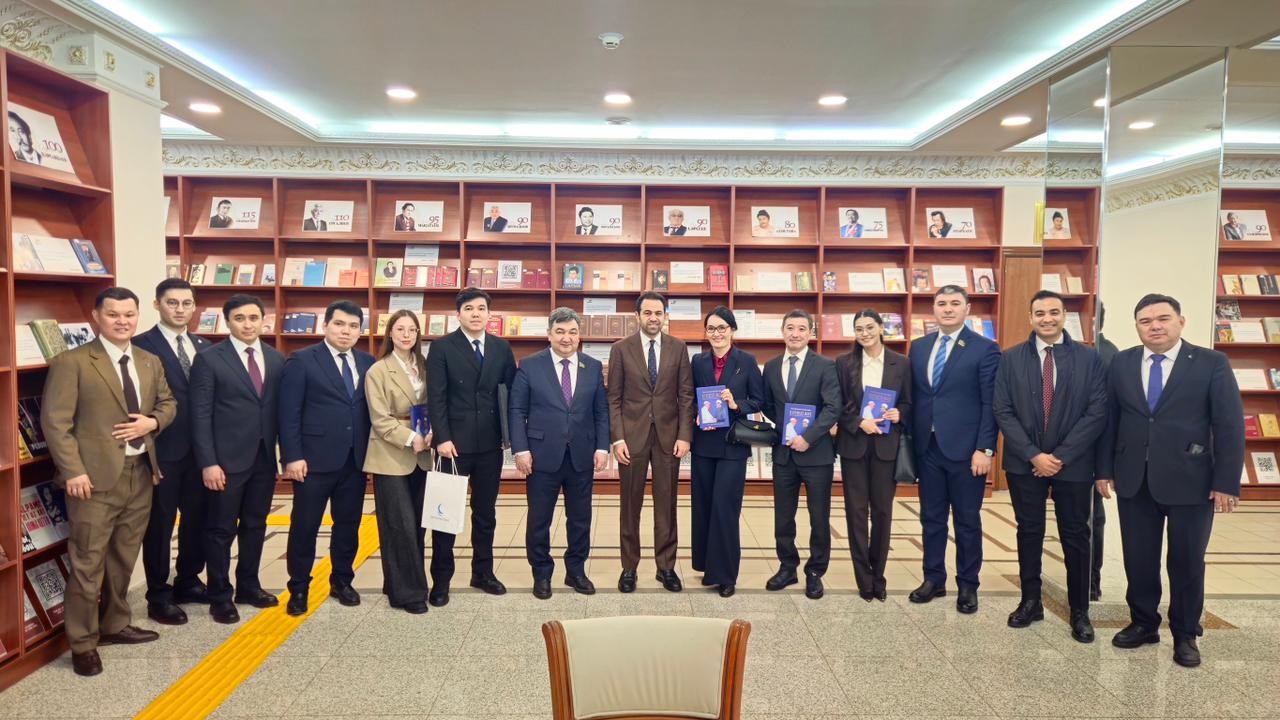
The event was attended by Senators of the Parliament of the Republic of Kazakhstan, representatives of religious associations, members of the diplomatic corps, as well as leading representatives of the expert and academic communities.
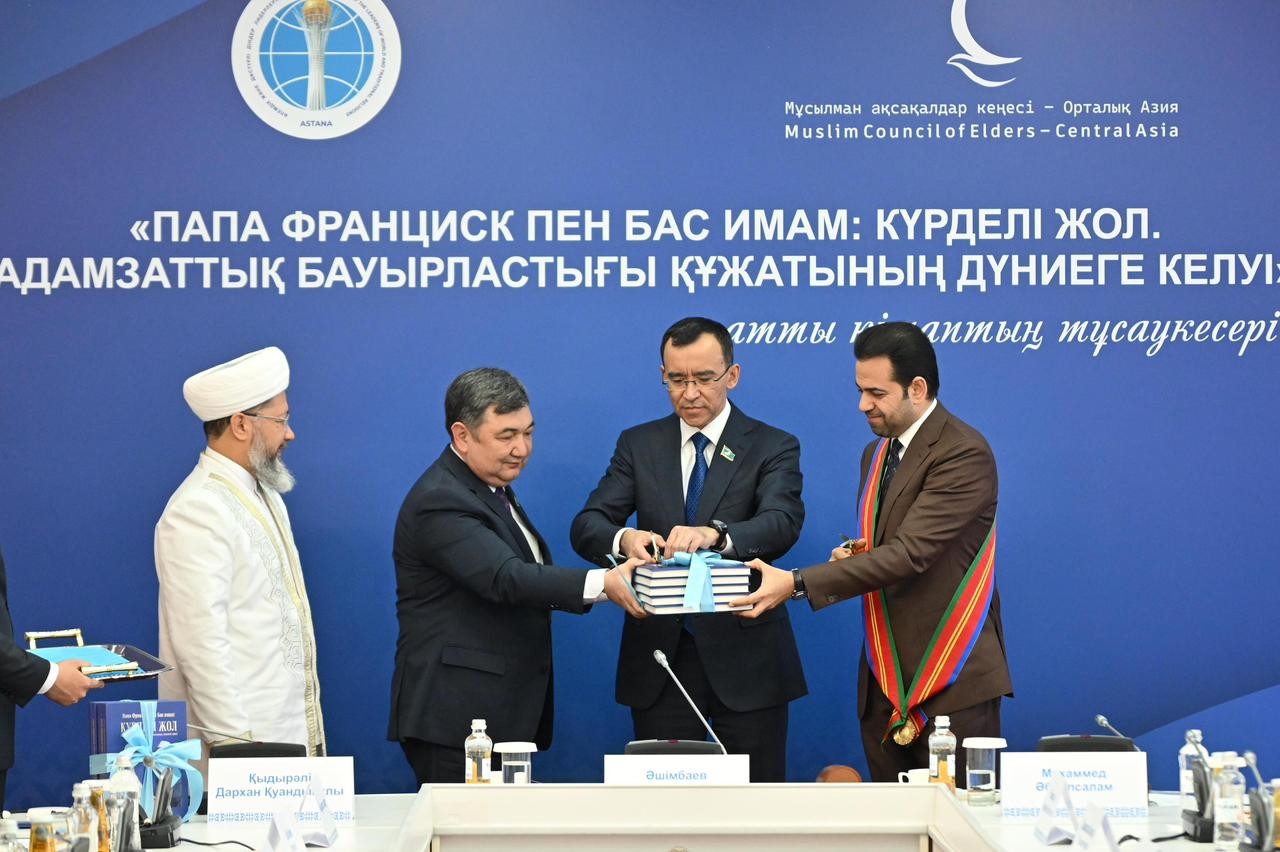
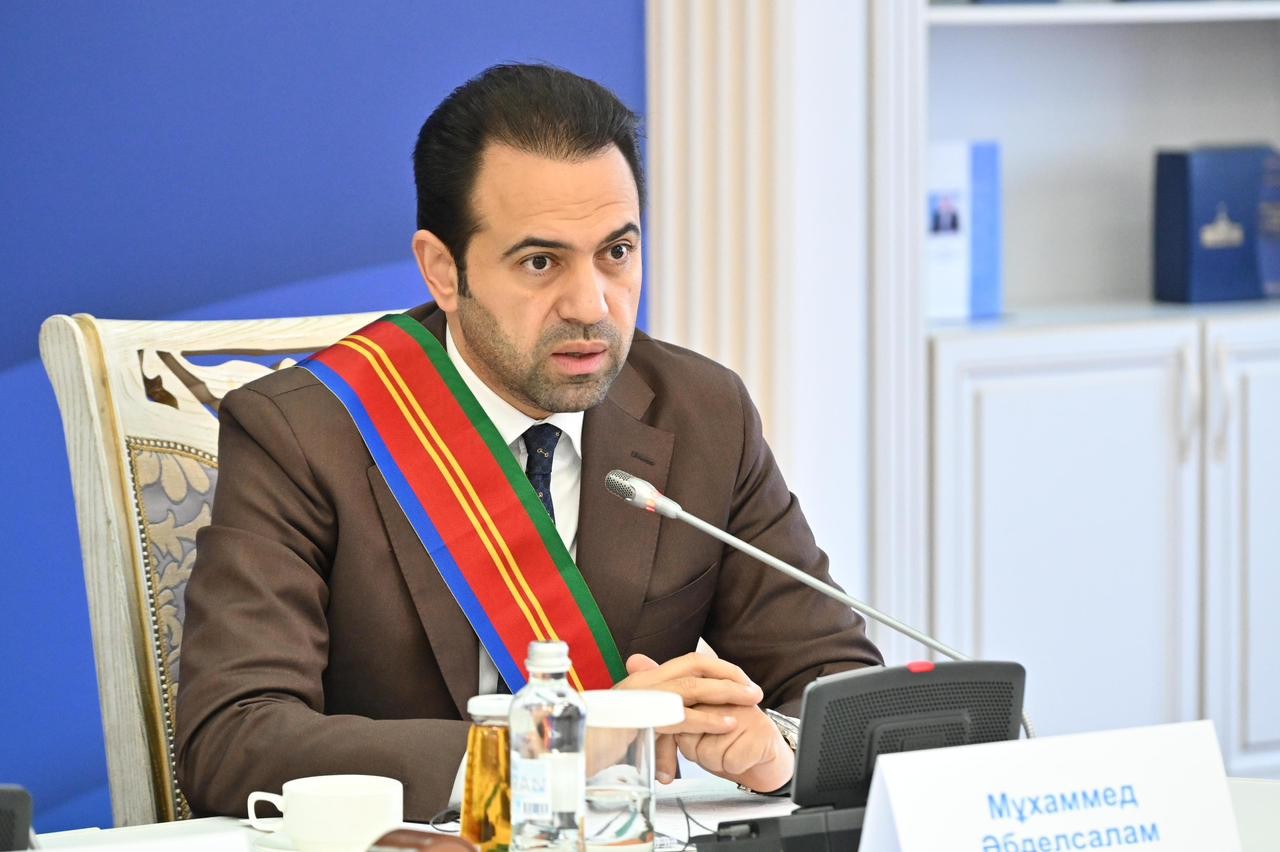
On behalf of the President of the Republic of Kazakhstan, Maulen Ashimbayev solemnly awarded Mohamed Abdel Salam the Order of Dostyk (Friendship), First Class, for his significant contribution to the development of interreligious and intercultural dialogue, strengthening peace, and promoting the ideas of the Congress of Leaders of World and Traditional Religions. The award became a sign of high recognition of his work and an expression of sincere respect from Kazakhstan.
In his remarks, Mohamed Abdel Salam noted that Kazakhstan and the Congress of Leaders of World and Traditional Religions serve as an important bridge of communication between cultures and religions. He emphasized that the work on the joint Document on Human Fraternity and peaceful coexistence was truly a thorny and historic process that lasted nine months of joint work between Pope Francis and the Grand Imam of Al-Azhar. According to him, this document is not an agreement between Islam and Christianity, but a message addressed to human hearts. The author expressed gratitude to Kazakhstan for supporting the publication and noted that it is a great honor for him to be awarded the status of Honorary Ambassador of the Congress. Additionally, gratitude was expressed to Kazakhstan and the Congress for supporting the book publication initiative and for including provisions on the value of the Document in the Astana Declaration.
The Supreme Mufti of Kazakhstan, Nauryzbay Kazhy Taganuly, emphasized that in an era of rapid technological development and artificial intelligence, humanity especially needs spiritual guidelines and the responsibility of religious leaders. He noted that the Document on Human Fraternity has received high recognition at the international level, including within the framework of the UN, and has become convincing evidence that true faith unites people on the basis of peace, harmony, and mutual respect. The Mufti expressed confidence that the book will receive a warm response from the Kazakh audience and congratulated the author on the high award for his contribution to strengthening interreligious dialogue.
In his speech, Kazakh statesman and public figure Adil Akhmetov emphasized the philosophical depth of the work and its contribution to promoting the ideas of peace and human fraternity.
Apostolic Nuncio George Panamthundil noted that genuine dialogue is not a strategy, but a vocation. According to him, the Document on Human Fraternity became an important milestone in affirming this value, reminding that the main task of modernity remains the раскрытие idea of universal unity. Prayer, dialogue, and solidarity serve as strong pillars of peace, and dialogue itself becomes a way of life and a path of the heart.
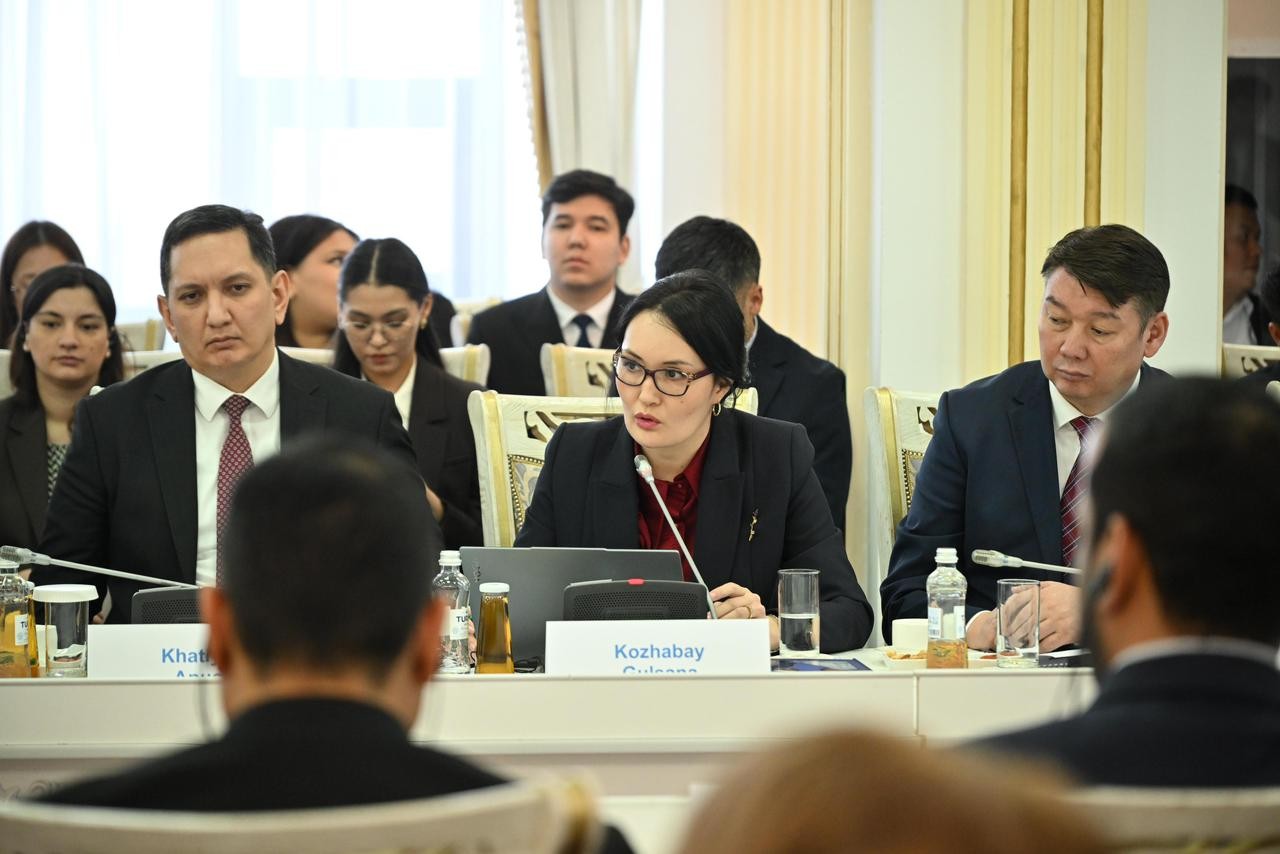
Chairperson of the Board of the International Center for Interfaith and Interreligious Dialogue, Gulsana Kozhabay, emphasized that the book reflects not only the history of the signing of the Document on Human Fraternity, but also the conscious choice of religious leaders in favor of dialogue and responsibility. It was noted that this step has a long-term impact on the development of spiritual diplomacy worldwide, including in the context of Kazakhstan’s model of dialogue and the activities of the Congress of Leaders of World and Traditional Religions. She also drew a parallel with the life of Saint Francis of Assisi, who in the 13th century traveled to meet Sultan Al-Malik Al-Kamil in Egypt, demonstrating respect for another faith and a desire for peaceful dialogue. According to her, this historical example inspires modern initiatives aimed at strengthening mutual understanding between religions and confirms that goodwill opens vast constructive prospects.
In conclusion, Head of the Secretariat of the Congress of the Leaders of World and Traditional Religions Maulen Ashimbayev noted that the development of interreligious and intercivilizational dialogue is a priority policy of the President of the Republic of Kazakhstan, Kassym-Jomart Tokayev. According to him, consistent state support for such initiatives creates a solid foundation for strengthening peace, harmony, and cooperation both within the country and internationally, confirming Kazakhstan’s commitment to the ideas of human fraternity and global stability.