The Vatican City, 11 December 2025
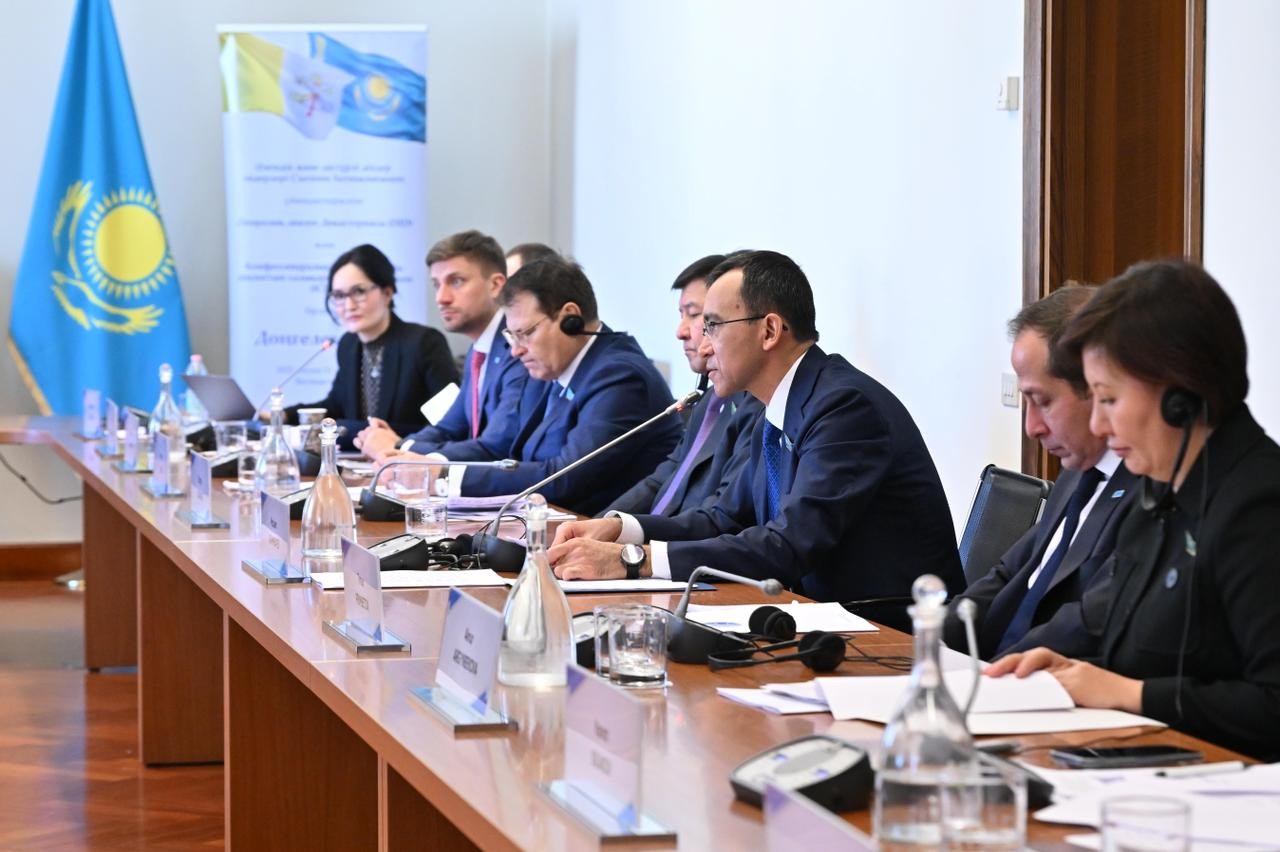
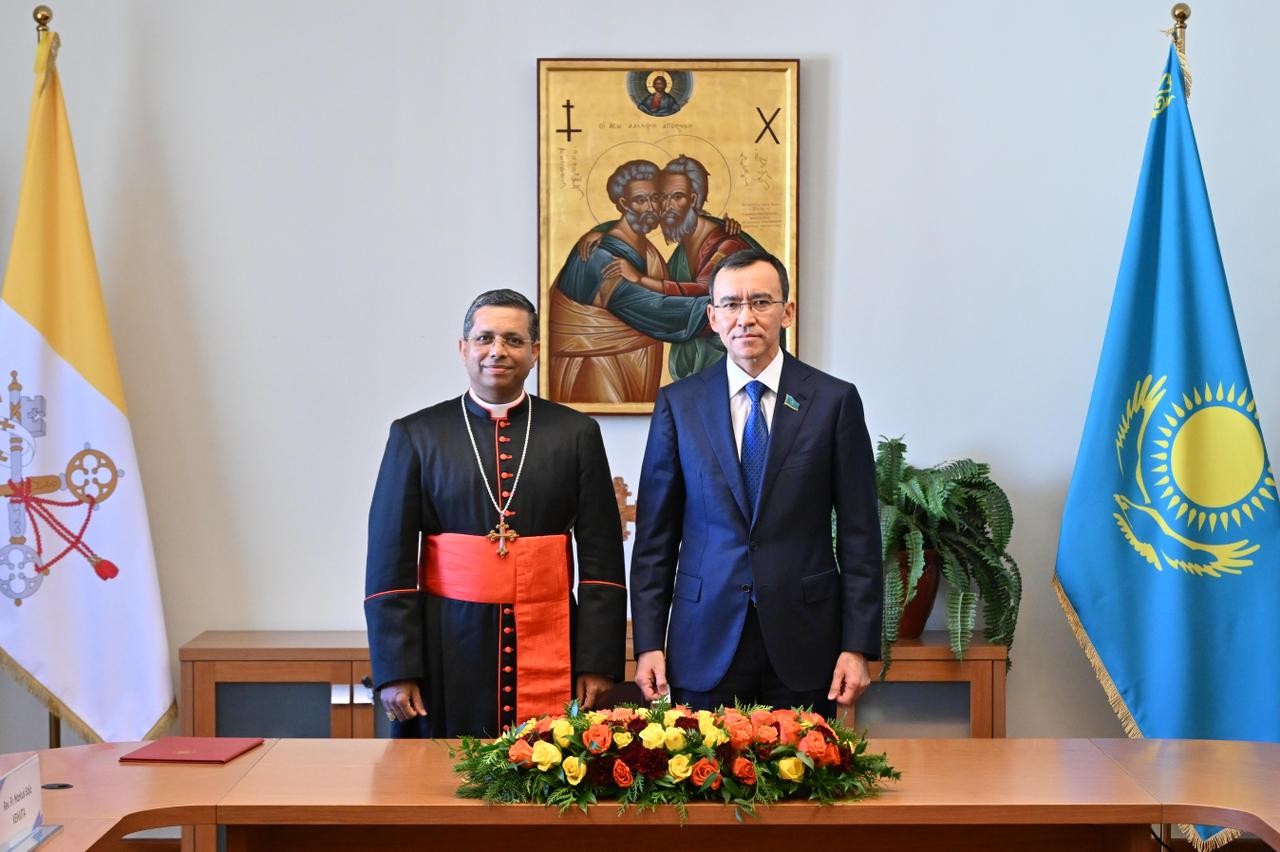
The International Center for Interfaith and Interreligious Dialogue (ICIID), Astana, Kazakhstan and the Dicastery for Interreligious Dialogue of the Holy See, the Vatican city, and held a joint Roundtable on 11 December 2025 as part of the official visit of the Chairman of the Senate of the Parliament of the Republic of Kazakhstan and Head of the Secretariat of the Congress of the Leaders of World and Traditional Religions, Maulen Ashimbayev, to the Vatican.
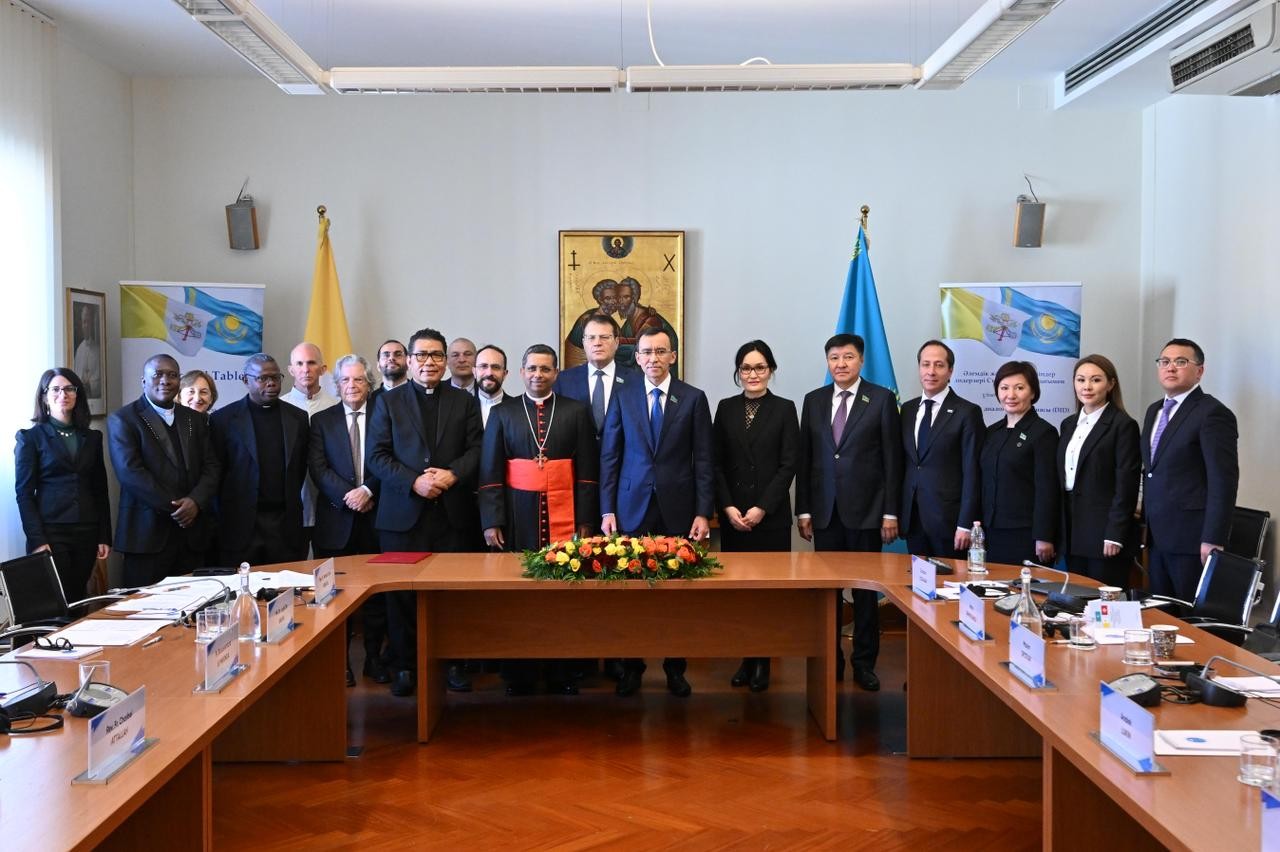
Following the bilateral meeting, held within the framework of the Roundtable, Cardinal George Koovakad, Prefect of the Dicastery for Interreligious Dialogue of the Holy See, and Chairman of the Senate Maulen Ashimbayev, officially opened the session. Together, they reaffirmed their shared commitment to spiritual diplomacy, recognizing it as a powerful tool in the broader strategy to address escalating global challenges, promote peace, and foster international cooperation.
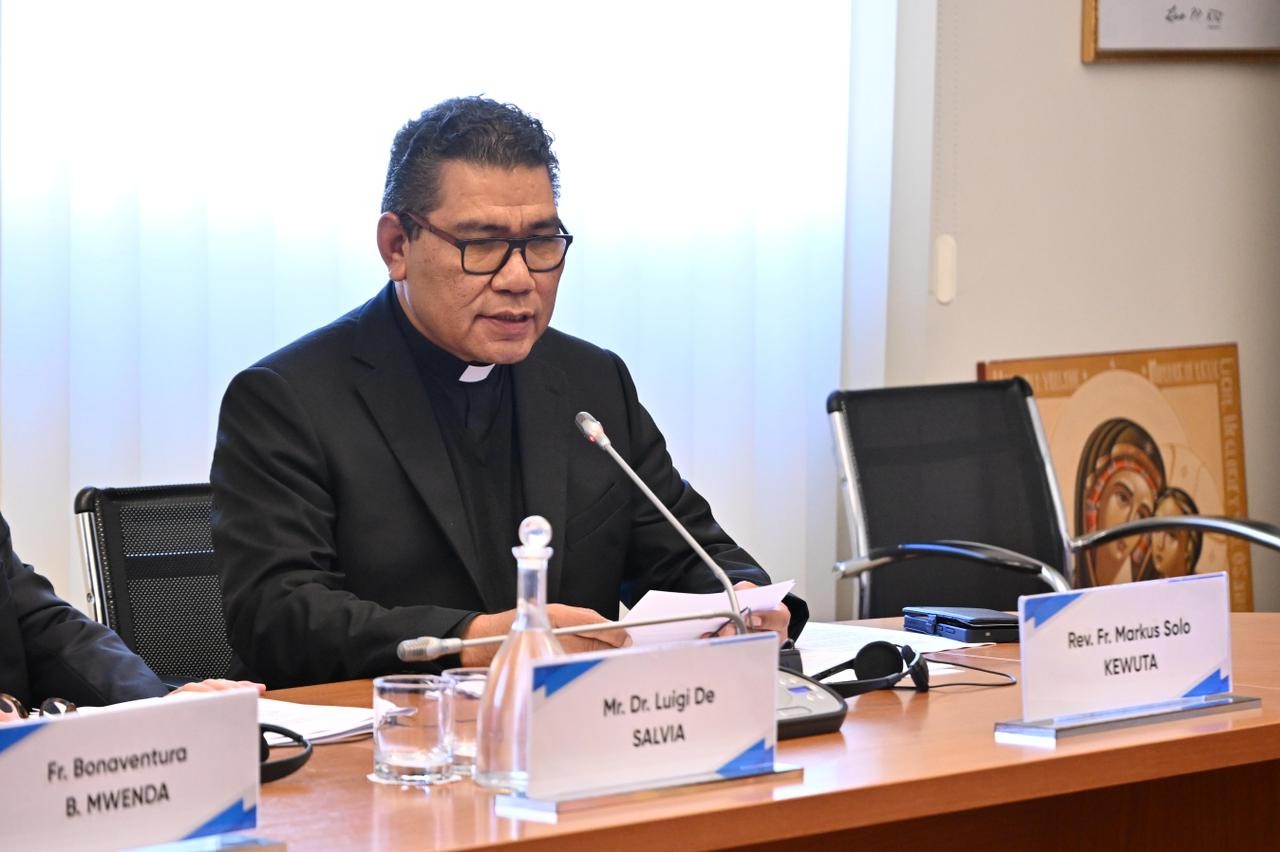
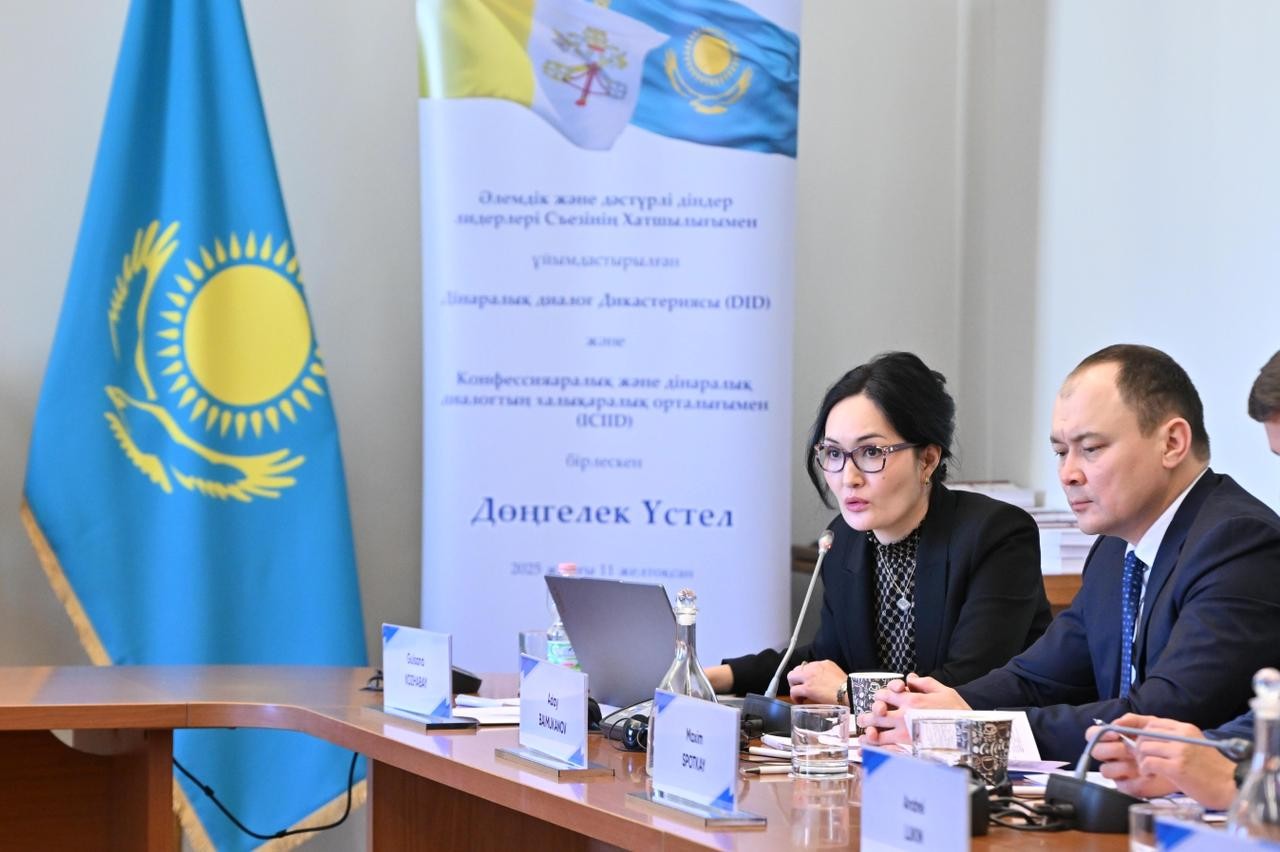
Moderated by Fr. Markus Solo, Secretary of the Dicastery, and Gulsana Kozhabay, Chair of the Board of the ICIID, the Roundtable focused on the theme, “Kazakhstan’s Interfaith Initiatives and the Holy See’s Spiritual Leadership,” highlighting the critical role of religious communities in fostering peace, mutual understanding, and global stability.
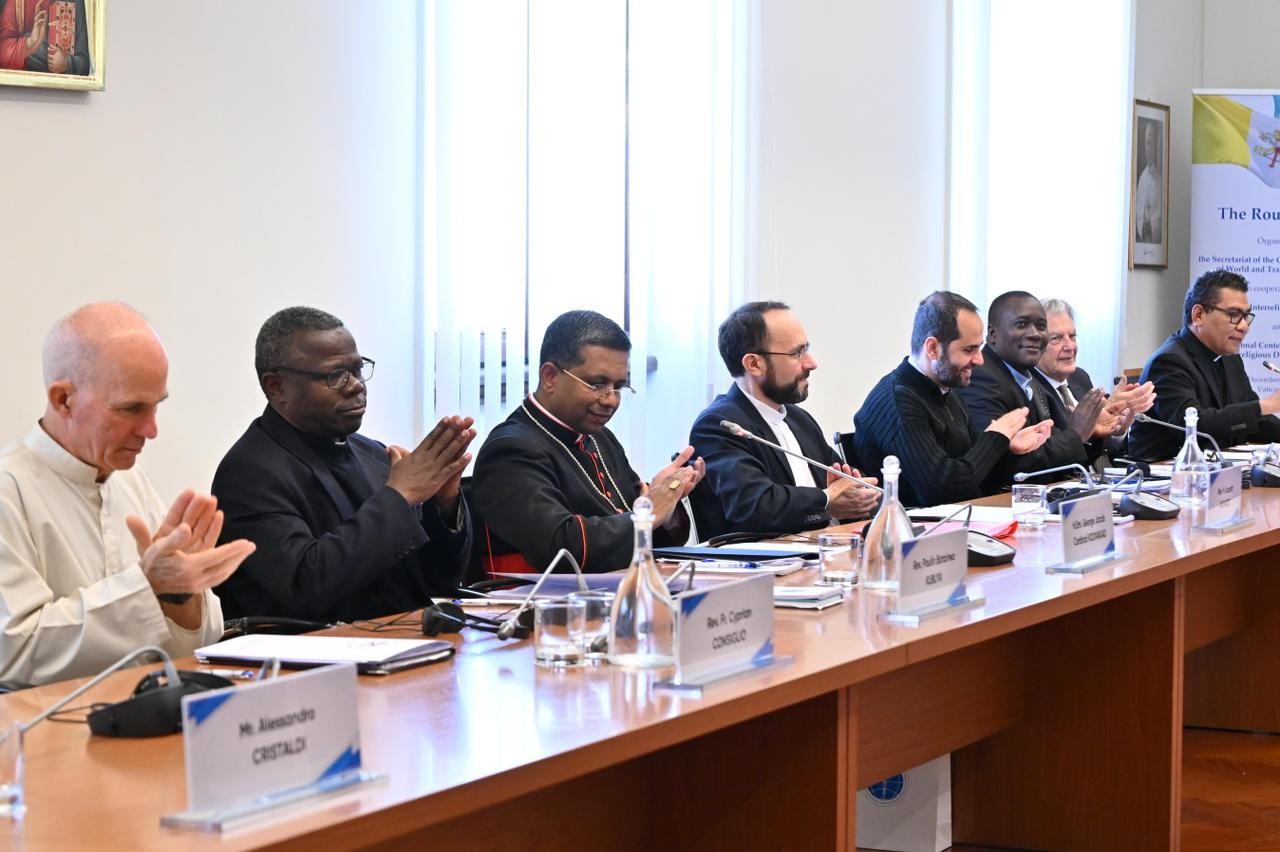
The discussion brought together distinguished religious leaders, diplomats, and experts. Participants included H.Em. George Jacob Cardinal Koovakad, Prefect of the Dicastery for Interreligious Dialogue (DID), along with the DID's Undersecretary, Head of Office, a team of Officials and Desk Officers (including those responsible for Islam in Asia, the Middle East, North Africa, and Sub-Saharan Africa, as well as Buddhism, Taoism, and Confucianism), and Experts on Dialogue, Spirituality, and Communications. Other key attendees included Mr. Dr. Luigi De Salvia, President of Religions for Peace (Italy); and Mr. Alessandro Cristaldi, Head of International Activities at the Bambino Gesù Pediatric Hospital.
Kazakhstani was represented by H.E. Mr. Maulen Ashimbayev, Chairman of the Senate of the Parliament, the Extraordinary and Plenipotentiary Ambassador to the Holy See, Deputy Chairman of the Senate, the Chairman of the Committee on International Relations, Defense and Security, Vice-Minister of Culture and Information Kanat Iskakov, and other officials.
In his address, Maulen Ashimbayev emphasized that the current global crises — including growing polarization, conflicts, and the spread of hate and mistrust — have significantly increased the importance of moral and spiritual leadership. He underlined that dialogue is not merely a diplomatic instrument, but a way of life that helps restore trust, reaffirm human dignity, and promote a culture of mutual respect. He also stressed that the shared values of Kazakhstan and the Holy See form a strong foundation for deepening bilateral and multilateral cooperation in the field of interreligious and intercultural understanding.
The Cardinal George Jacob Koovakad, recalling the hospitality of Kazakhstan he has experienced during his several participations in the Congress of the Leaders of World and Traditional Religions, affirmed that today’s meeting itself represents a synergy of common good will and strength, as well as common efforts to continue collaborating for the common good.
The Cardinal described the event as a marvellous initiative and a unique moment of encounter to renew friendship and collaboration between the Holy See's Dicastery and the Republic of Kazakhstan, particularly the Secretariat of the Congress of the Leaders of World and Traditional Religions and the International Center for Interfaith and Interreligious Dialogue.
The Cardinal spoke of the significance of the Joint Committee for Dialogue, pointing out that its regular meetings create an important opportunity for constructive engagement. He noted that, above institutional collaboration, the focus of interreligious dialogue should always be on common ground, not division.
He also noted the full support of the Pope, His Holiness Pope Leo XIV, for the work on world peace and interfaith dialogue.
The cardinal further highlighted the foundational document Nostra Aetate of the Second Vatican Council, which emphasizes the shared humanity, universal needs, and common aspirations of all peoples. In conclusion, he finished with stressing that true peace comes from God and calling for the continued and sustained collaboration of religious communities across the globe.
Mr. Kanat Iskakov, Vice-Minister of Culture and Information of the Republic of Kazakhstan, highlighted the strength of Kazakhstan's spiritual harmony, rooted in its diversity of ethnicities and confessions, and emphasized the integral role of the large Catholic community through its spiritual, interfaith, charitable, and social initiatives. Iskakov stressed the Congress's role in promoting an ethical approach by religious leaders to new global challenges, including artificial intelligence and climate change.
Gulsana Kozhabay, representing the International Center for Interfaith and Interreligious Dialogue, expressed gratitude to the Holy See for co-organizing the event and emphasized that the Holy See is a long-standing and highly respected partner.
The Chair of the ICIID noted that the Center plays a coordinating and operational role in supporting the mission of the Congress of the Leaders of World and Traditional Religions, emphasizing that its work is aimed at translating the Congress-level dialogue into practical local and international cooperation.
Kozhabay highlighted that the renewal of the Memorandum of Cooperation will strengthen the partnership and mark “a new stage of practical collaboration.” The Chair of the Center also commended the Vatican’s remarkable forward-looking vision, noting that landmark documents such as the Declaration on Human Fraternity and the Rome Call for AI Ethics continue to guide the work of the Congress.
She concluded by describing the partnership with the Dicastery as one of the strongest pillars of Kazakhstan’s international cooperation.
The Kazakh delegation expressed gratitude to the Holy See for its spiritual leadership and ongoing support of interreligious dialogue, particularly its long-standing involvement in the Congress of the Leaders of World and Traditional Religions. They highlighted the significance of Pope Leo XIV’s message to its participants, which serves as a notable testament to the Holy See’s support for global interreligious cooperation.
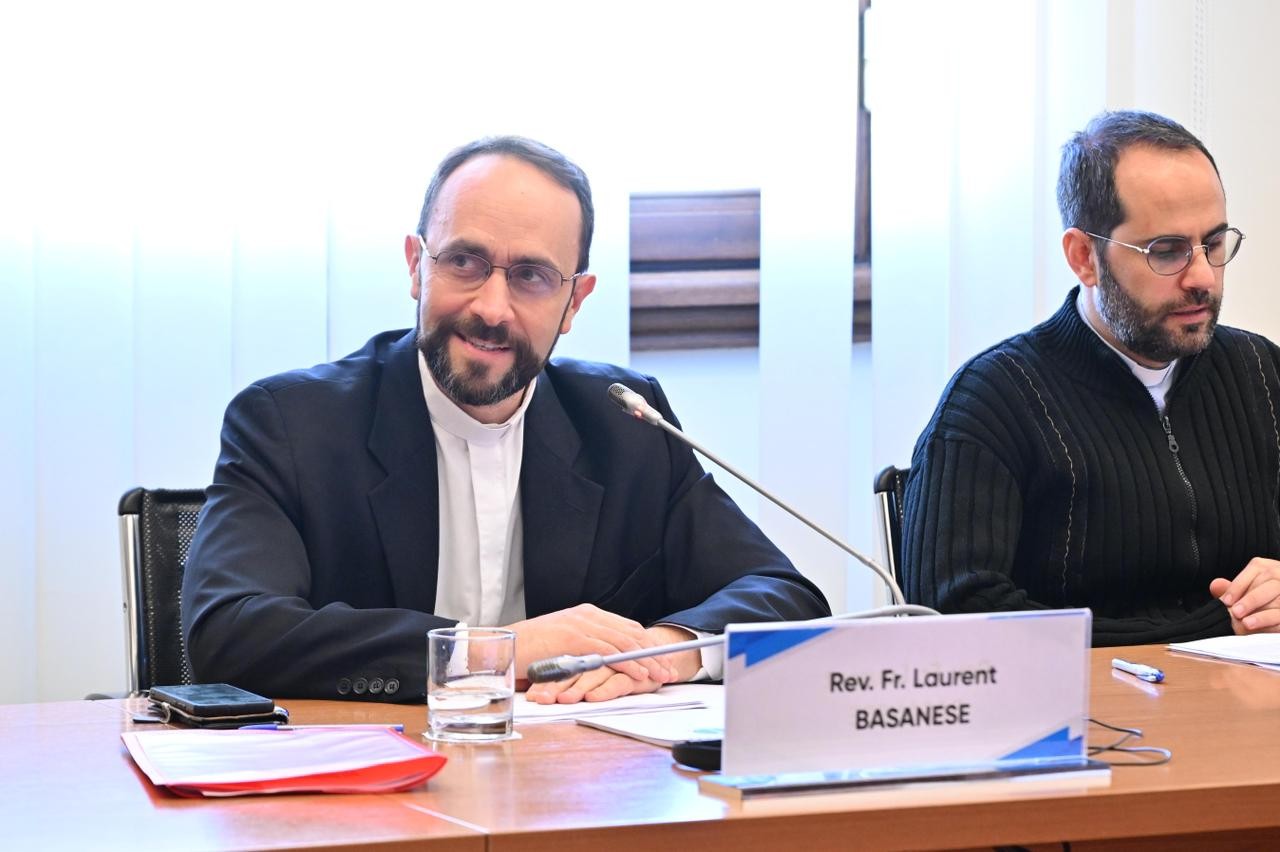
Fr. Laurent Basanese emphasized the Holy See’s unique moral authority, rooted not in territory but in a two-thousand-year spiritual mission promoting human dignity and universal fraternity. He recalled Pope Francis’ 2015 visit to the Central African Republic, including the central mosque of Bangui, as a landmark act of interreligious reconciliation. Fr. Basanese also noted the 2019 appeal from Nagasaki and Hiroshima calling for the total abolition of nuclear weapons and warning against the “false security” of nuclear deterrence. He concluded that interreligious dialogue is essential, making “spiritual diplomacy” a crucial force for peace and the future of humanity.
The Dicastery commended Kazakhstan’s role in global interfaith dialogue, particularly through the Congress of the Leaders of World and Traditional Religions and its expanded focus on ethical AI governance, environmental protection, and youth engagement.
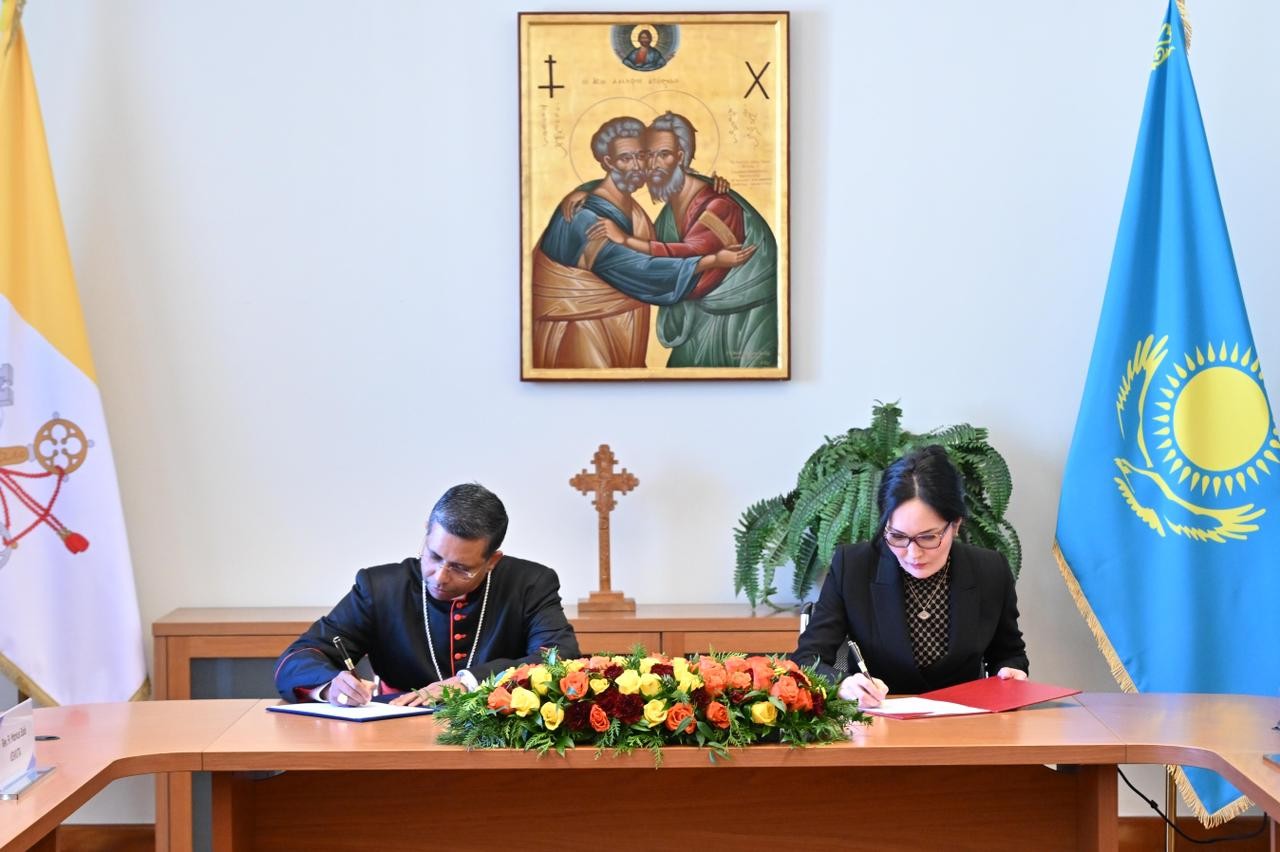
The participants also recalled the long-standing institutional cooperation between the Dicastery and the ICIID, carried out within the framework of the Memorandum of Understanding signed on 15 October 2020 in the Vatican, and Joint Colloquium (JC) as part of this Memorandum, held every two years, alternately in Rome and Astana, with the intermediate year dedicated to preparatory meetings. The second Joint Colloquium is scheduled to be held in Astana in 2026.
The conversation also addressed the advancement of interfaith collaboration and the need to confront pressing world problems, including geopolitical instability, climate risks, and technological and ethical issues.
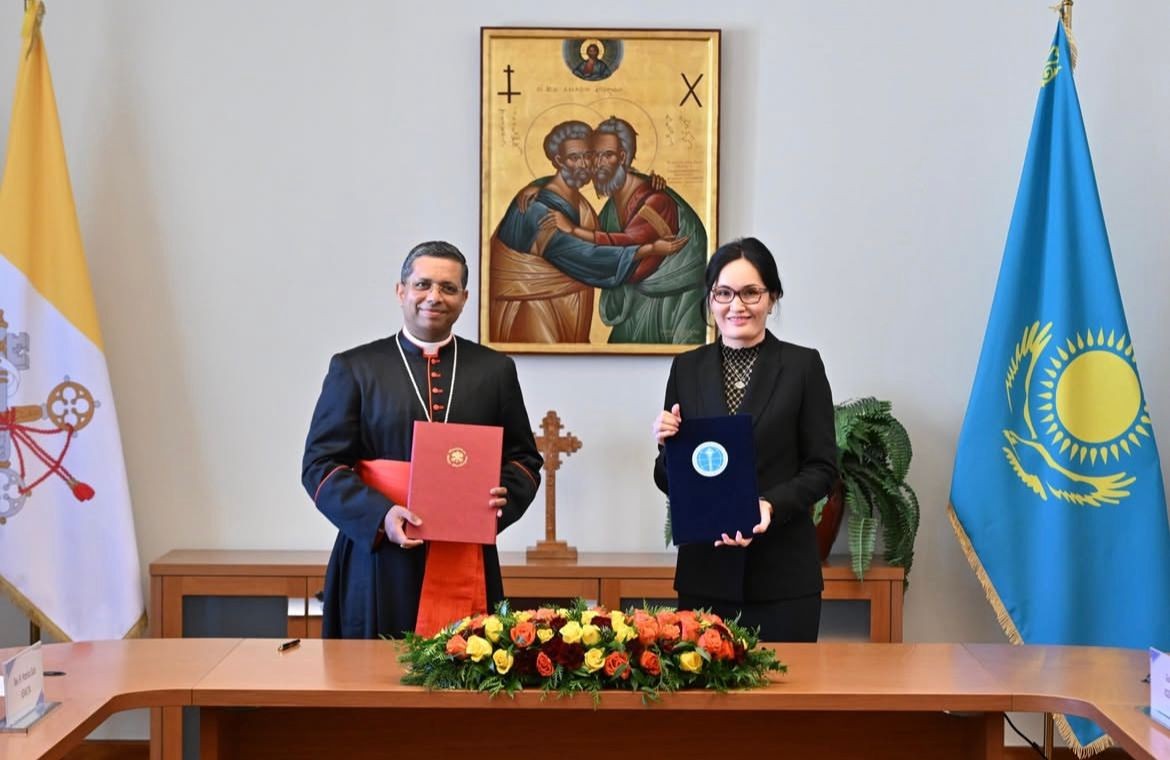
The session concluded with a keynote address by Cardinal George Koovakad, after which the Memorandum of Understanding between the ICIID and the Dicastery was re-signed marking the beginning of a renewed phase of institutional cooperation.
The parties shared the belief that spiritual diplomacy remains essential for building sustainable peace and fostering a culture of respect and solidarity across nations in an increasingly complex global landscape.