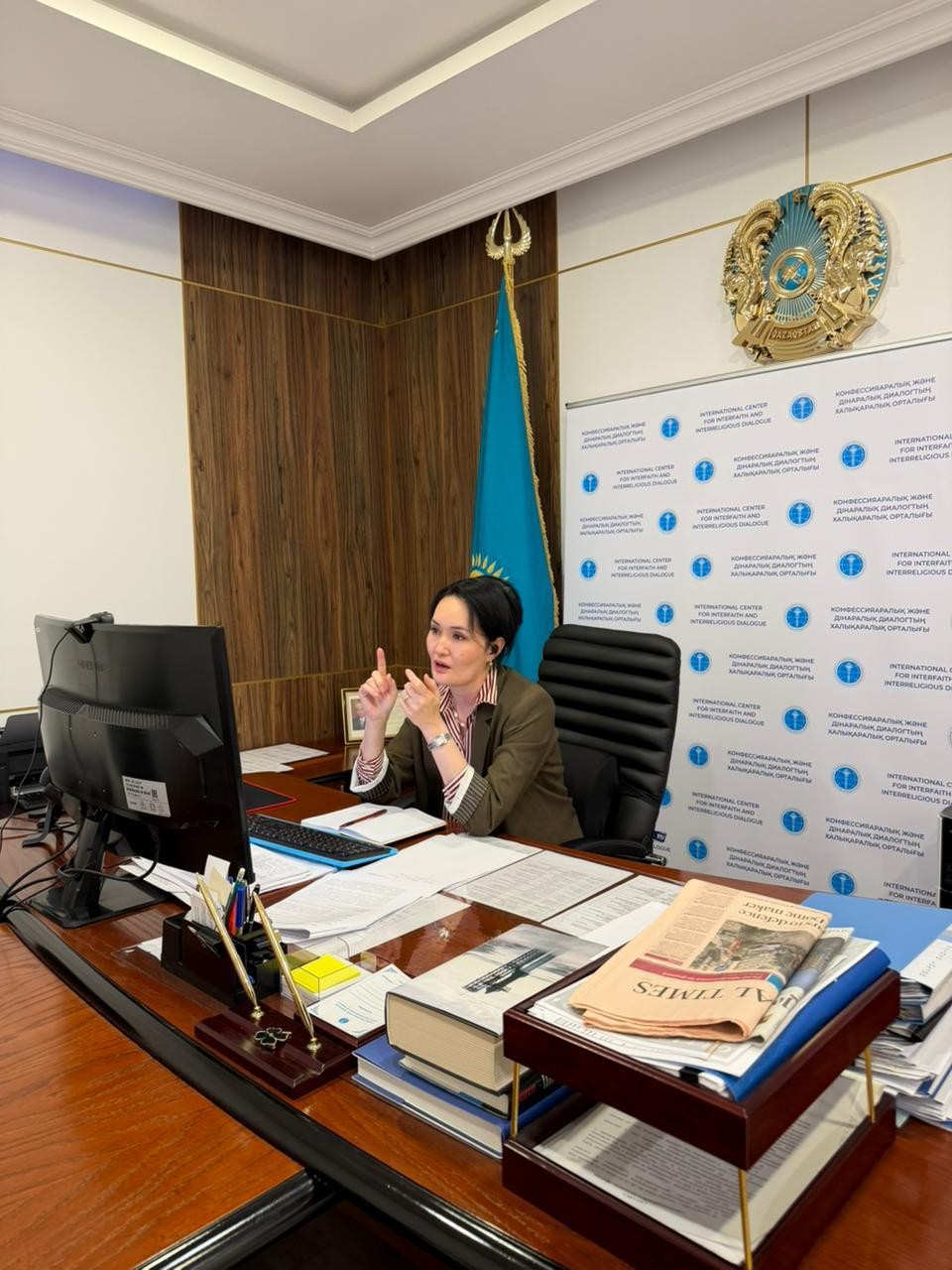
Astana - Jerusalem, June 8, 2026
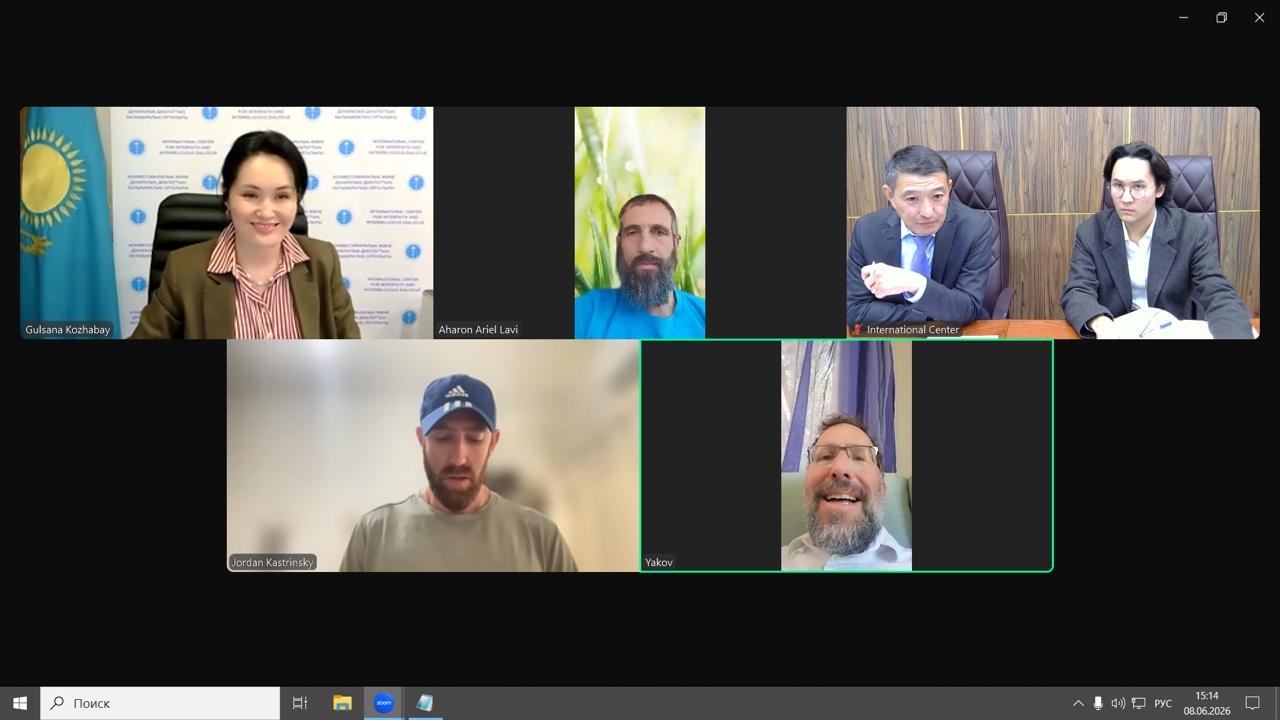
The International Center for Interfaith and Interreligious Dialogue and the Jerusalem Interfaith Center held talks to discuss avenues for cooperation and strengthening ties between Jewish and Muslim communities, as well as the academic circles of the two countries.
The General Director of the Jerusalem Interfaith Center, Rabbi Dr. Aharon Ariel Lavi, presented the activities of the organization, which focus on three main areas: academic research, educational programs, and religious diplomacy. Rabbi Lavi noted that the Center’s key priority is fostering dialogue between Jewish and Muslim communities.
Gulsana Kozhabay, Chair of the Board of the International Center, introduced the Center’s activities and noted that, within the framework of the Congress of Leaders of World and Traditional Religions, strong ties have been established with religious communities in Israel, whose representatives regularly participate in its work. She emphasized that the Center is interested in further developing cooperation with Israeli academic and expert communities within the framework of the Congress’s second track – the Expert Round Table. Particular attention was given to the need to move from discussing current issues at international platforms toward developing concrete, practical initiatives aimed at strengthening interreligious dialogue, trust, and mutual understanding.
The parties agreed that the ideas and recommendations developed during international conferences and forums should be translated into research projects, educational programs, and public initiatives.
The Israeli side shared its experience in organizing expert platforms where specialists from various fields jointly examine contemporary religious issues. The outcomes of such work serve as the basis for analytical materials and informational content. A special role in the practical application of these studies is assigned to the media space as a tool for countering disinformation, preventing the spread of radical narratives, and promoting a culture of peace.
The participants also paid particular attention to youth initiatives and discussed the possibility of launching joint educational programs for young people, researchers, and experts.
A key outcome of the meeting was the agreement to develop long-term cooperation between the two centers. The parties identified the main areas of future interaction and expressed interest in organizing mutual delegation visits and expert meetings.